Welcome to Trouville-sur-Mer
Trouville-sur-Mer is a charming seaside town on France’s Normandy coast, known for its lively beach, artistic heritage, and fresh seafood. In 2026, travelers are drawn to its relaxed atmosphere and cultural offerings. Whether you’re planning a weekend getaway or a longer stay, this guide covers everything you need to know.
Is Trouville-sur-Mer worth visiting?
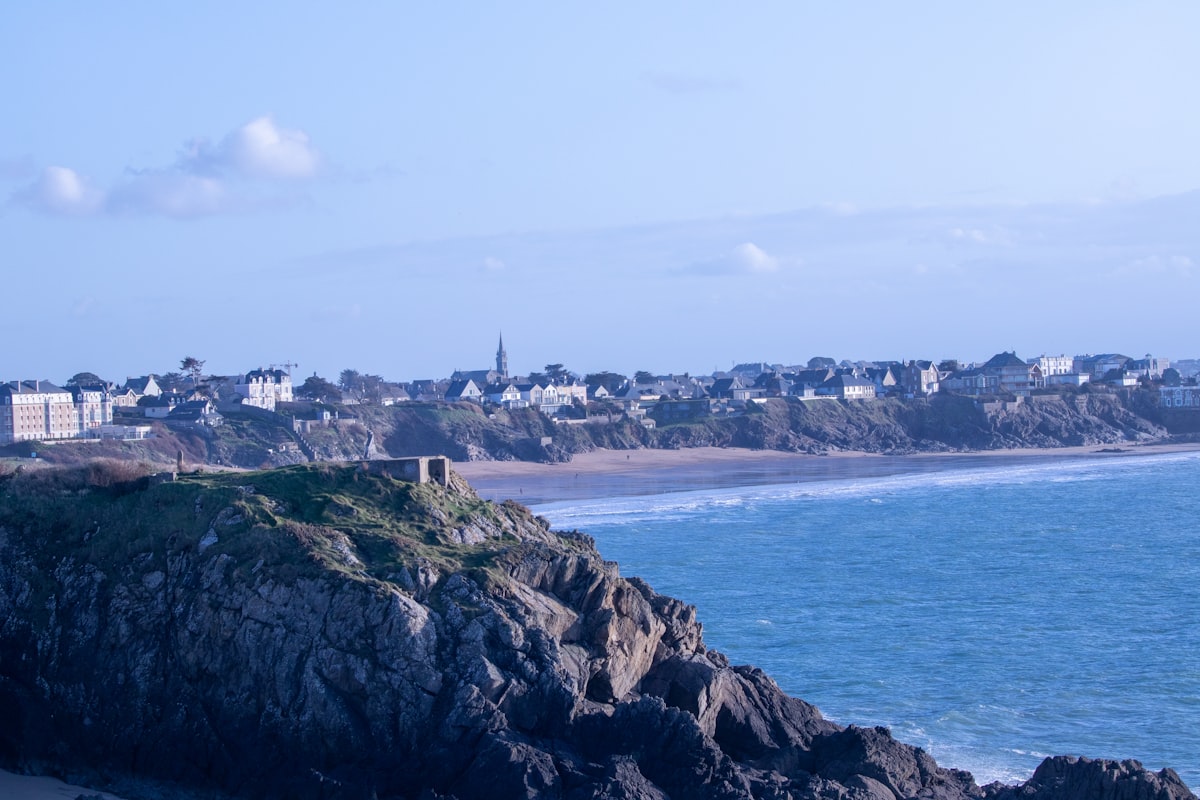
Many visitors enjoy Trouville-sur-Mer for its vibrant market, historic promenade, and proximity to the artistic hub of Deauville. The town’s blend of natural beauty and cultural attractions makes it a worthwhile destination for any traveler.
Best Time to Visit
The optimal months for a visit are late spring (May to June) and early autumn (September to October). During these periods the weather is mild, crowds are manageable, and the sea is pleasant for walks.
- May–June: Average highs 18–22°C, beach activities peak, local festivals begin.
- July–August: Warmest weather, but also the busiest season; ideal for beach lovers.
- September–October: Cooler temperatures, fewer tourists, excellent for cultural tours.
- November–April: Off‑season; quieter, lower prices, but some attractions may close.
Top Attractions
The Promenade des Anglais
A classic seaside promenade where you can stroll, bike, or simply sit on a bench and watch the waves. The promenade is lined with cafés, art galleries, and the iconic Le Grand Café.
The Old Harbor
The historic harbor is a hub of activity, with fishing boats, seafood stalls, and the Musée de la Mer, which showcases maritime history.
The Belle Époque Architecture
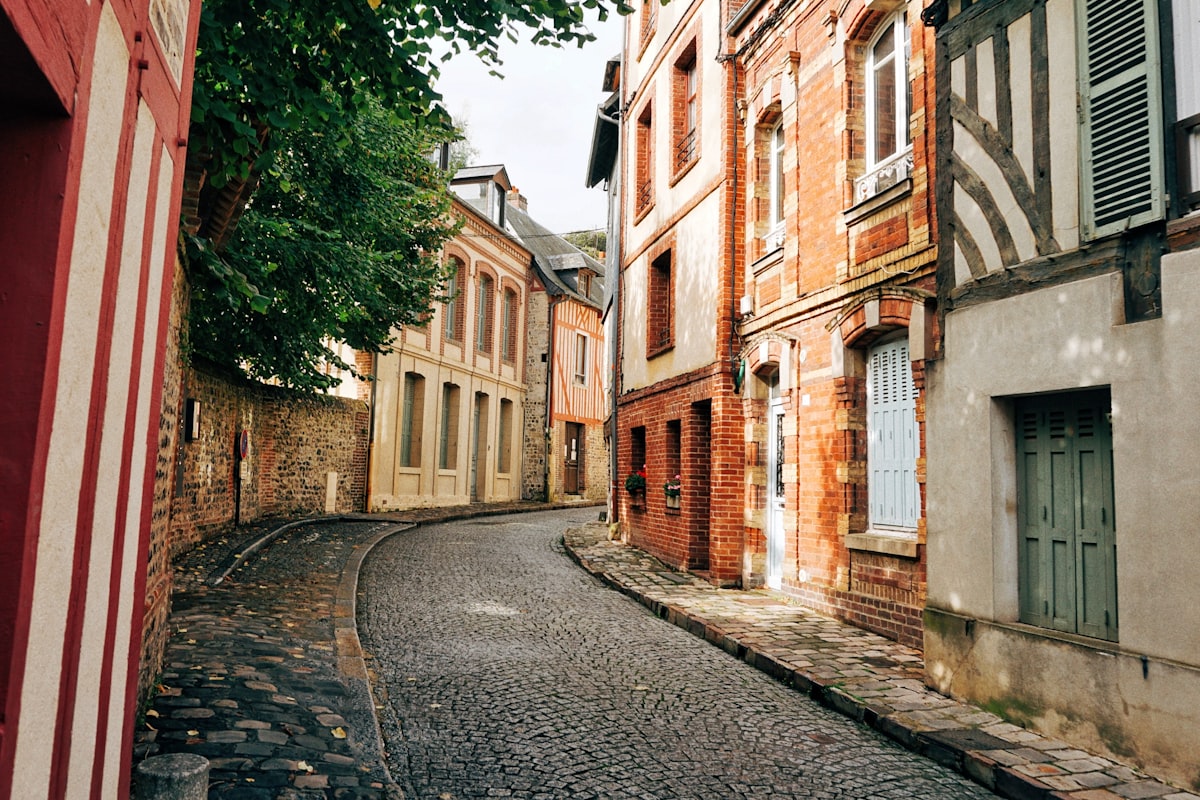
Stroll through streets featuring elegant 19th‑century buildings, many of which now house boutique shops and art studios.
The Beach
Trouville’s sandy beach is perfect for sunbathing, volleyball, and beachside picnics. The promenade’s cafés serve fresh oysters and mussels.
Local Food Categories
- Seafood: Oysters, mussels, and fresh fish are staples. Many stalls offer a bouillabaisse tasting.
- Café Culture: Coffee shops serve croissants, pain au chocolat, and local pastries.
- Traditional Normandy Cuisine: Camembert cheese, apple tarts, and cider accompany regional dishes.
- Street Food: Crêpes, quiches, and fish‑and‑chips stalls line the promenade.
Transportation Overview
- By Air: The nearest major airport is Caen – Carpiquet (about 40 km). From there, a 45‑minute train ride or a 30‑minute taxi takes you to Trouville.
- By Train: The SNCF line from Paris Gare du Nord stops at Trouville. Journey time is roughly 2 hours 30 minutes.
- By Car: The A13 motorway connects Paris to the Normandy coast. Parking is available in public lots near the harbor.
- By Bus: Regional bus services link Trouville to Deauville, Caen, and Cherbourg.
- Local Transport: Buses and taxis circulate the town; bike rentals are popular for short distances.
Where to Stay
🏨 Where to Stay in Trouville-sur-Mer
View All Hotels in Trouville-sur-Mer


Accommodation ranges from budget-friendly guesthouses to upscale boutique hotels. Many options offer sea views and easy access to the promenade.
- Budget‑friendly: Hostels and small B&Bs near the harbor.
- Mid‑range ($$): Small hotels with breakfast and free Wi‑Fi.
- Upscale ($$$): Boutique hotels with gourmet dining and spa services.
Practical Tips
- Language: French is the official language; English is widely understood in tourist areas.
- Currency: Euro (€). Credit cards are accepted in most establishments.
- Safety: Trouville is a safe destination with low crime rates. Standard travel precautions apply.
- Duration: A 3‑day trip allows you to experience the beach, harbor, and nearby cultural sites.
Final Thoughts
Trouville-sur-Mer offers a delightful mix of seaside charm, artistic flair, and culinary delights. Plan your trip for late spring or early autumn to enjoy pleasant weather and vibrant local life. Whether you’re a beach lover, foodie, or culture enthusiast, Trouville welcomes you with open arms.
[IMAGE: famous landmark in Trouville-sur-Mer