Toyoura Travel Guide 2026
Welcome to Toyoura, a charming coastal city that blends natural beauty with rich culture. Whether you’re a first‑time visitor or a seasoned traveler, this guide will help you plan the perfect trip. From the best months to visit to the must‑try local dishes, we’ve covered everything you need to know.
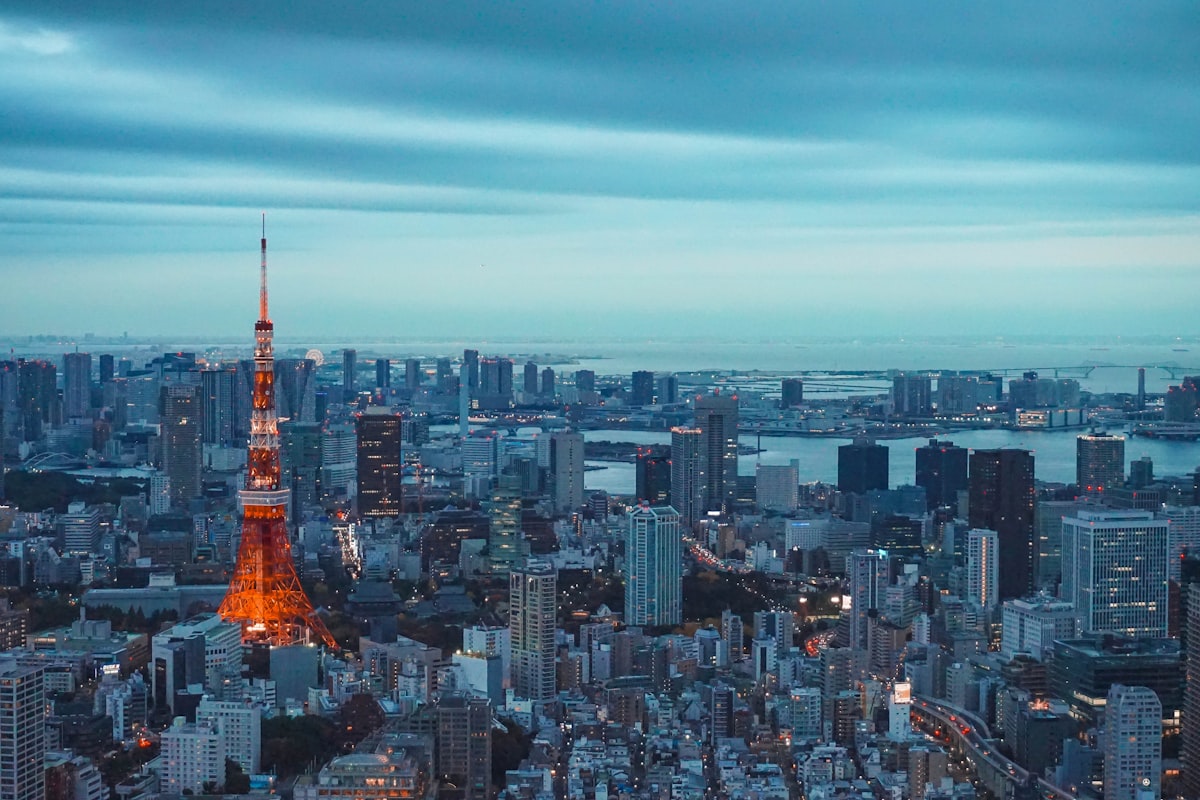
Is Toyoura worth visiting?
Toyoura offers a unique mix of scenic landscapes, historic sites, and vibrant street life. With its mild climate, friendly locals, and a variety of attractions, it’s a destination that satisfies every type of traveler.
Best Time to Visit
The climate in Toyoura is temperate, making it pleasant year‑round. However, certain seasons stand out:
- Spring (March‑May): Cherry blossoms bloom along the waterfront, and temperatures hover around 15‑20°C.
- Summer (June‑August): Warm sea breezes and festivals. Ideal for beach activities.
- Autumn (September‑November): Crisp air, colorful foliage, and the harvest of fresh seafood.
- Winter (December‑February): Mild winters with occasional rain; great for off‑season travel.
Top Attractions
1. Toyoura Harbor
The bustling harbor is the city’s heart. Stroll along the promenade, watch fishing boats dock, and enjoy fresh seafood stalls.
2. Toyoura Castle Ruins
A historic site offering panoramic views of the city and surrounding hills. Guided tours explain the castle’s role in regional history.
3. Marine Museum
Showcasing the local marine life, the museum features interactive exhibits and a large aquarium.
4. Sunset Beach
Known for its golden sands and breathtaking sunsets, this beach is a favorite for photographers and romantics alike.
5. Traditional Market
Explore stalls selling local produce, crafts, and street food. It’s a great place to taste regional specialties.
Local Food Categories
- Seafood: Fresh catches such as tuna, sea bream, and octopus are staples.
- Rice Dishes: Sushi, donburi, and grilled rice cakes.
- Sweets: Mochi, castella cakes, and local fruit jams.
- Beverages: Artisan coffee, local sake, and fresh fruit juices.
Transportation Overview
- By Air: Toyoura Airport connects to major Japanese cities.
- By Train: The Toyoura Line offers scenic routes and convenient city access.
- By Bus: Local buses cover the city and surrounding attractions.
- By Car: Rental cars are available; parking is plentiful in tourist areas.
- Walking & Cycling: The city’s compact layout makes walking and cycling enjoyable.
Where to Stay
Choosing the right accommodation depends on your budget and preferences. Below are general categories:
- Budget‑friendly: Hostels and guesthouses offer clean rooms and friendly staff.
- Mid‑range ($$): Boutique hotels and business inns provide comfort and local charm.
- Upscale ($$$): Luxury resorts and seaside villas offer premium amenities.
🏨 Where to Stay in Toyoura
View All Hotels in Toyoura


Practical Tips
- Language: Japanese is the primary language; English signage is common in tourist areas.
- Currency: Japanese yen (¥). ATMs are widely available.
- Connectivity: Free Wi‑Fi is offered in many cafés and public spaces.
- Safety: Toyoura is a safe destination with low crime rates.
- Travel Duration: A 3‑day stay covers the main highlights.
Frequently Asked Questions
What is the best time to visit Toyoura?
The most pleasant months are April to June and September to October, offering mild weather and vibrant natural scenery.
Is Toyoura safe for tourists?
Yes, Toyoura is known for its friendly locals and low crime rates, making it safe for solo travelers and families alike.
How much does a typical day cost in Toyoura?
Expect budget-friendly options around ¥3,000–¥5,000 for meals, ¥1,000–¥2,000 for transport, and ¥2,000–¥5,000 for attractions, totaling roughly ¥6,000–¥12,000 per day.
What languages are commonly spoken in Toyoura?
Japanese is the official language, but English is widely understood in tourist areas, especially in restaurants and hotels.
[IMAGE: traditional food from Japan