Suizhou Travel Guide 2026
Welcome to Suizhou, a vibrant city in Hubei Province that blends history, culture, and natural beauty. Whether you’re a history buff, foodie, or nature lover, Suizhou offers a rich tapestry of experiences. In 2026, travelers are drawn to its well-preserved heritage sites, bustling markets, and serene river landscapes.

Is Suizhou worth visiting?
Many visitors find Suizhou a hidden gem with its unique blend of ancient temples, modern amenities, and friendly locals. The city’s accessibility and diverse attractions make it a worthwhile addition to any Chinese travel itinerary.
Best Time to Visit Suizhou
The climate in Suizhou is temperate, with distinct seasons that influence what you can experience.
- Spring (March‑May): Mild temperatures (15‑22°C) and blooming flowers make this a pleasant time for walking tours.
- Summer (June‑August): Hot and humid, but the river festivals and night markets thrive.
- Autumn (September‑November): Cooler weather (18‑24°C) and vibrant foliage are ideal for outdoor activities.
- Winter (December‑February): Chilly (5‑10°C) but the city’s winter lantern festivals offer a unique cultural glimpse.
Top Attractions
Suizhou’s attractions range from historic temples to natural parks.
1. Suizhou Ancient City Wall
A well-preserved relic from the Ming dynasty, the wall offers panoramic views of the city and a sense of its storied past.
2. Wudang Mountain Scenic Area
A UNESCO World Heritage site, Wudang Mountain is famed for Taoist temples and breathtaking cliffside vistas.
3. Hubei Provincial Museum
Showcasing artifacts from the Han dynasty, the museum provides insight into Suizhou’s long history.
4. Liyuan River Park
A green oasis along the river, perfect for leisurely walks, paddle boating, and sunset photography.

Local Food Categories
Suizhou’s culinary scene reflects its agricultural roots and riverine culture.
- River Fish Dishes: Fresh carp and eel stews are local staples.
- Handmade Noodles: Slow‑made noodles served in hearty broth.
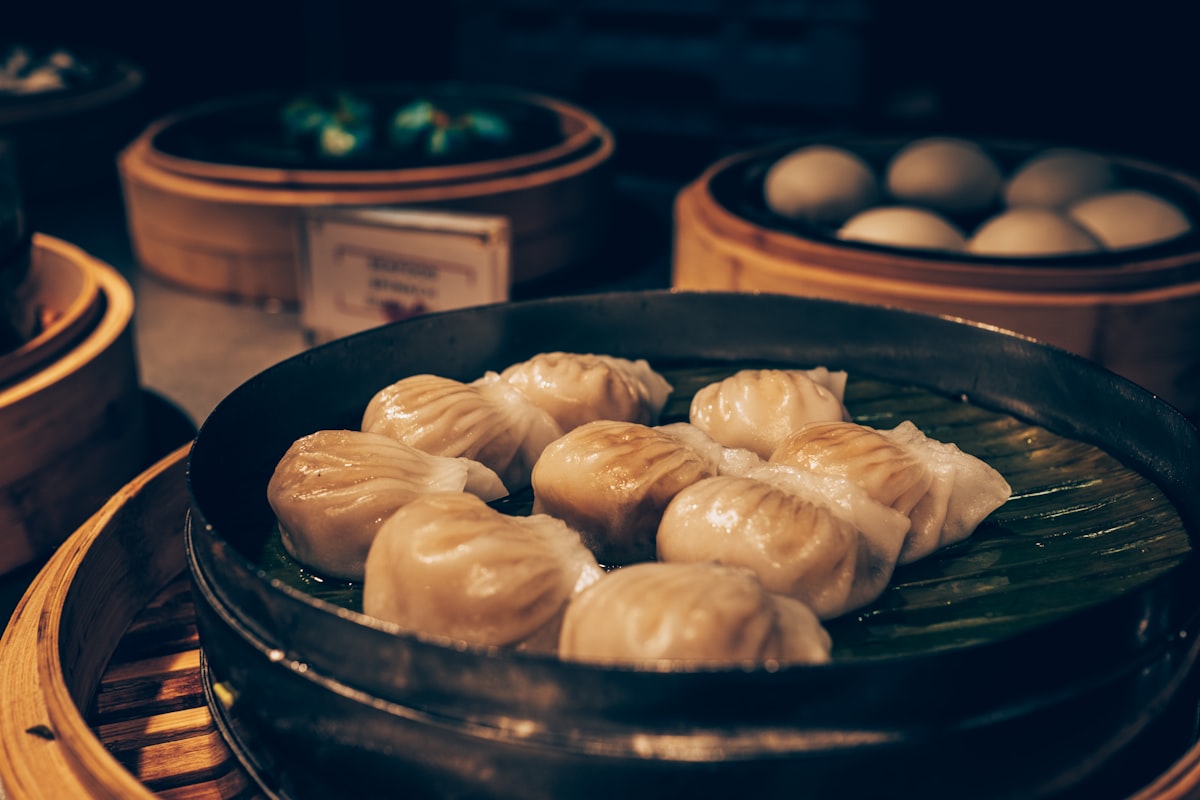
- Street Snacks: Grilled skewers, dumplings, and sweet rice cakes.
- Traditional Tea: Local teas brewed in clay pots, often served with light pastries.
Transportation Overview
Getting around Suizhou is convenient whether you’re traveling by car, train, or bus.
- By Air: Suizhou has a regional airport with connections to major Chinese cities.
- By Train: The Suizhou Railway Station links to Wuhan and other hubs.
- By Bus: Local buses cover the city and surrounding rural areas.
- By Taxi/Rideshare: Widely available; fares are reasonable.
- Bicycles: Rental bikes are common in tourist districts.
Where to Stay
Suizhou offers a range of accommodation options to suit every budget.
- Budget‑friendly: Hostels and guesthouses near the city center.
- Mid‑range ($$): Three‑star hotels with modern amenities.
- Upscale ($$$): Boutique hotels in historic districts.
🏨 Where to Stay in Suizhou
View All Hotels in Suizhou
Practical Tips
- Language: Mandarin is the primary language; English signage is common in tourist areas.
- Currency: The Chinese Yuan (CNY) is used; ATMs are plentiful.
- Safety: Suizhou is generally safe for tourists; standard precautions apply.
- Duration: A 3‑day stay covers the main sights and gives time to relax.
Frequently Asked Questions
What is the best time to visit Suizhou?
The most comfortable months are April, May, September, and October, when temperatures are mild and outdoor activities are enjoyable.
Is Suizhou safe for tourists?
Yes, Suizhou is considered safe for travelers. Common sense precautions, such as keeping valuables secure and staying aware of local news, are advised.
How much does a typical day cost in Suizhou?
Daily expenses vary: budget travelers spend around 200‑300 CNY, mid‑range travelers 400‑700 CNY, and upscale travelers 800‑1500 CNY.
Do I need to know Mandarin to visit Suizhou?
While Mandarin is helpful, many locals in tourist areas speak basic English, and signage is often bilingual.

[IMAGE: Suizhou street scene