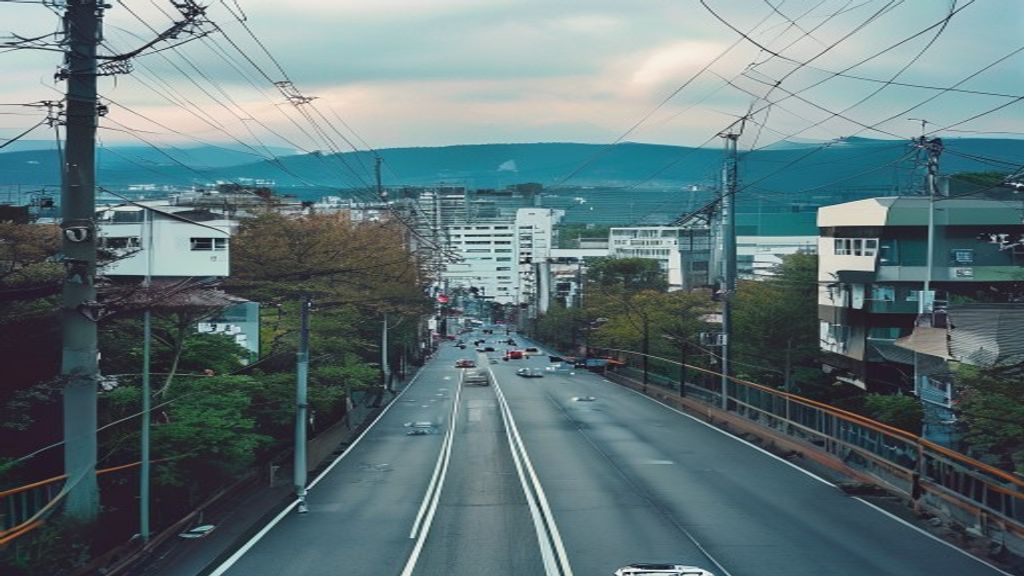
Sofia Travel Guide 2026
Sofia, the vibrant capital of Bulgaria, blends ancient history with modern energy. Whether you’re drawn by its Byzantine churches, Soviet‑era architecture, or bustling markets, this guide will help you plan a memorable visit in 2026.
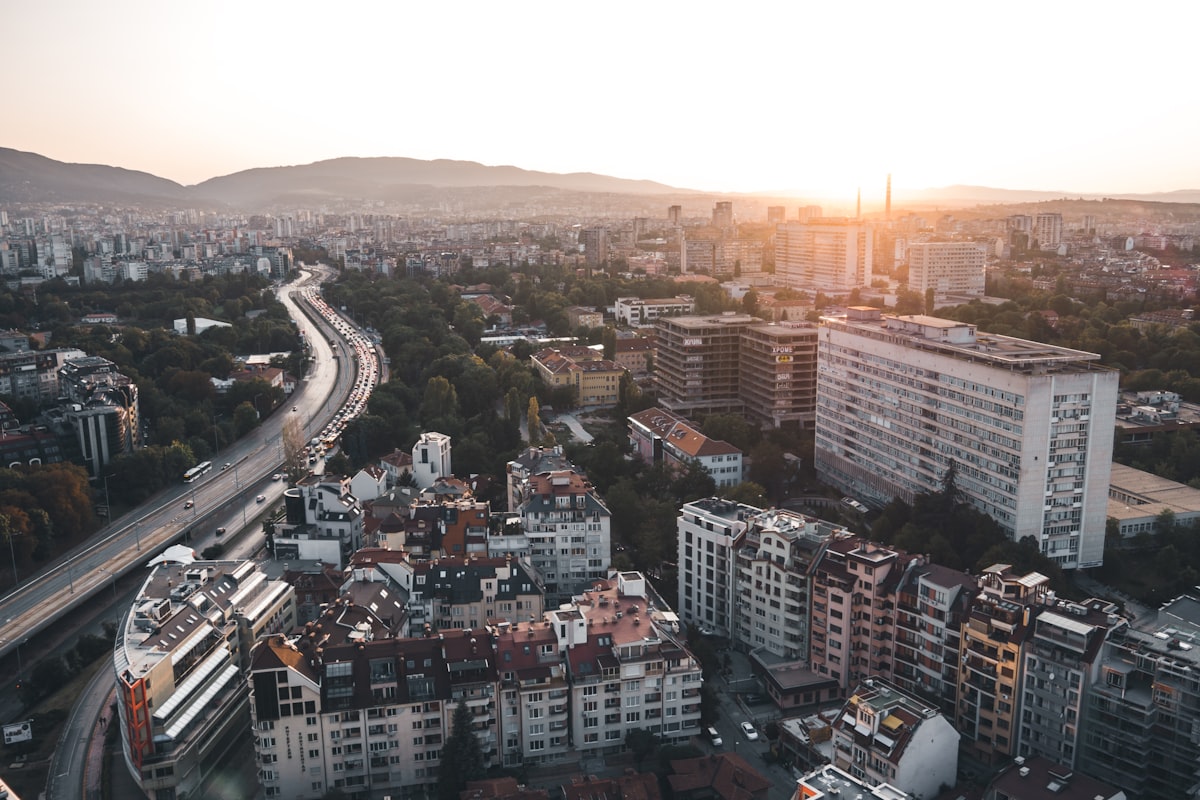
Is Sofia worth visiting?
Sofia offers a unique mix of cultural landmarks, green spaces, and culinary delights. Many visitors enjoy its friendly atmosphere, affordable prices, and easy access to nearby mountains and beaches. The city’s rich history and lively street life make it a must‑see destination for travelers in 2026.
Best Time to Visit
Sofia’s climate is continental, with hot summers and cold winters. The most pleasant periods are:
- May to June – Warm days, blooming gardens, and fewer crowds.
- September to October – Mild temperatures, colorful foliage, and harvest festivals.
- July – Ideal for mountain day trips; be prepared for higher prices.
- December – Festive lights and Christmas markets, but expect snow.
Top Well‑Known Attractions
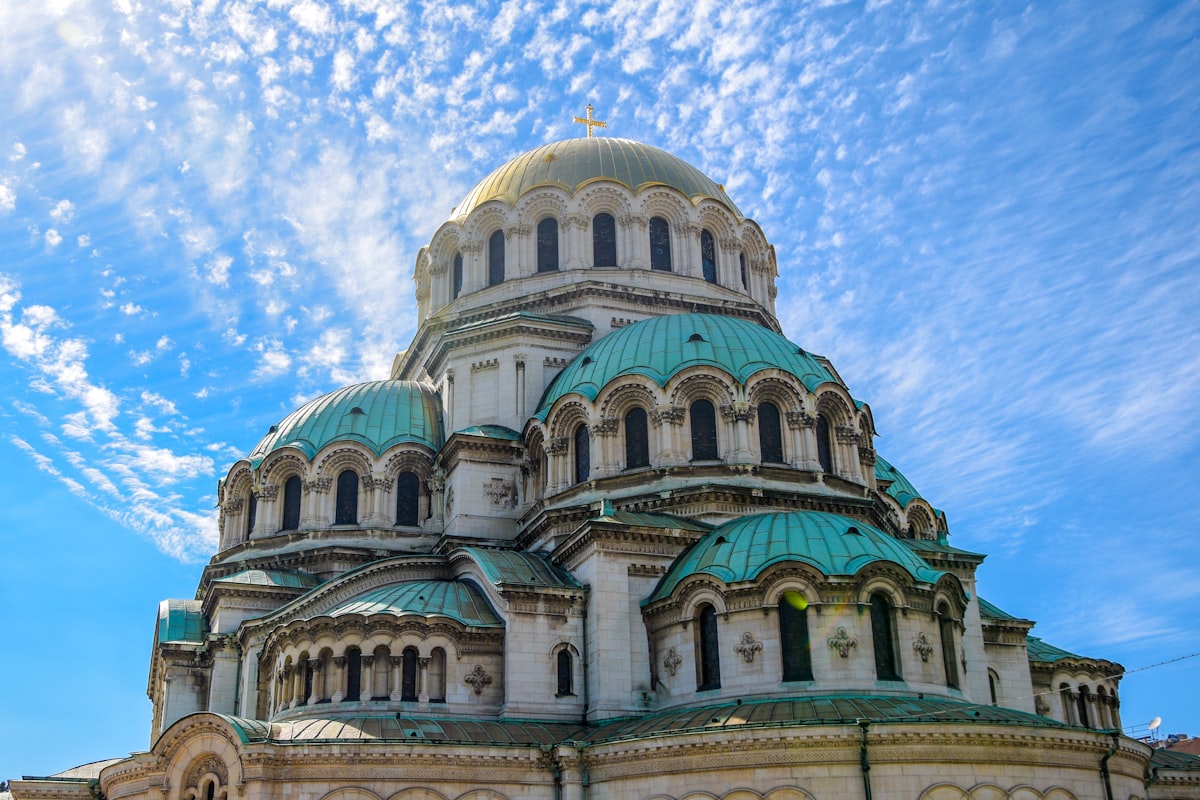
- Alexander Nevsky Cathedral – A stunning example of Neo‑Byzantine architecture. Admission is around $10-15.
- Rila Monastery – A UNESCO World Heritage site located 120 km south of Sofia; a day trip is recommended.
- Vitosha Mountain – Offers hiking, skiing, and panoramic city views.
- National Palace of Culture (NDK) – Hosts concerts, exhibitions, and the annual Sofia Film Festival.
- Boyana Church – Known for its medieval frescoes; free entry.
- Bulgaria National Library – A modern architectural landmark.
- Serdica Archaeological Complex – Explore the ruins of ancient Thracian and Roman settlements.
Typical Local Food Categories
- Bulgaria’s national dish – Shopska salad with tomatoes, cucumbers, peppers, and feta.
- Meat dishes – Kavarma (slow‑cooked pork) and Sarmi (stuffed cabbage leaves).
- Seafood – Fresh fish from the Black Sea, often grilled.
- Baked goods – Banitsa (cheese pastry) and Berza (sweet roll).
- Desserts – Baklava and Kataifi.
- Beverages – Rakia (fruit brandy), Mavrud wine, and local craft beers.
Transportation Overview
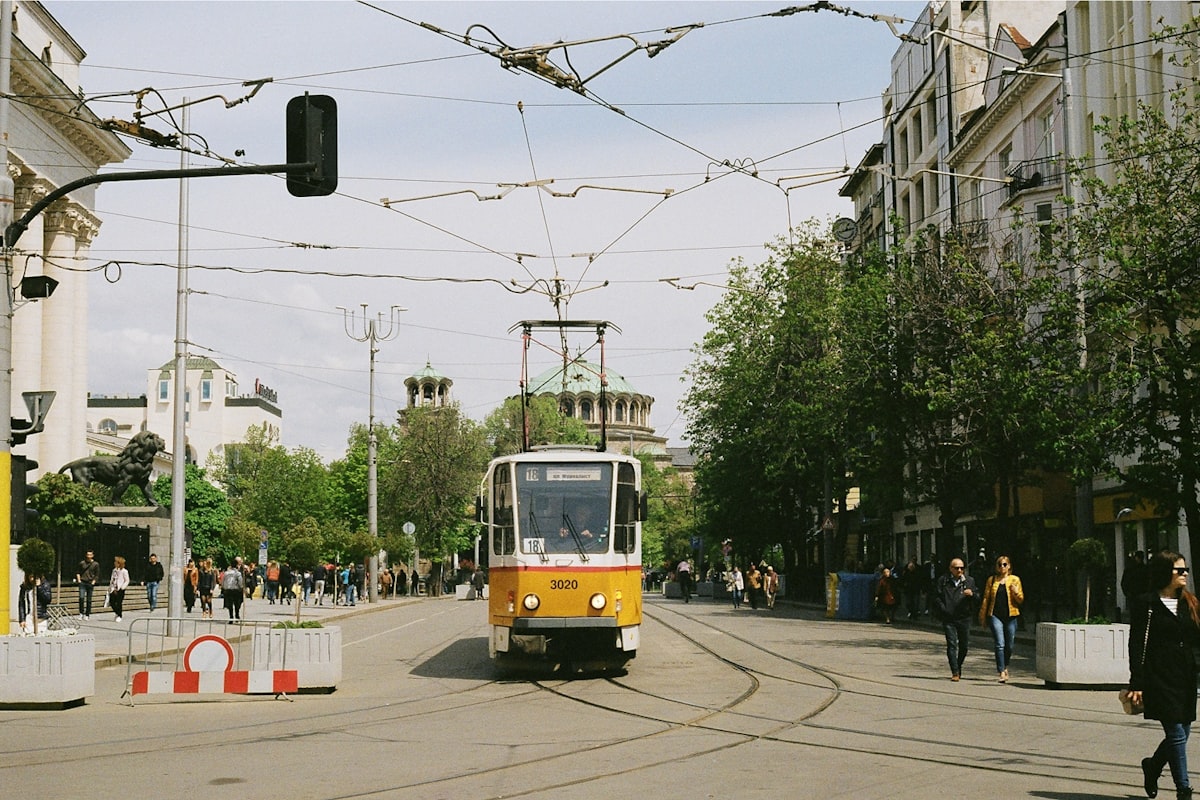
- Public transit – Buses, trams, and the metro cover most of the city. A single‑ride ticket costs around $1.
- Taxis – Widely available; use official meters or ride‑hailing apps.
- Biking – Sofia has a growing network of bike lanes and rental stations.
- Walking – The city center is compact and pedestrian‑friendly.
- Airport – Sofia Airport connects to major European hubs; a 30‑minute metro ride brings you to the city center.
Where to Stay
Sofia offers accommodations for every budget:
- Budget‑friendly – Hostels and guesthouses in the city center.
- Mid‑range ($$) – Boutique hotels and serviced apartments.
- Upscale ($$$) – Luxury hotels with spa facilities and panoramic views.
🏨 Where to Stay in Sofia
View All Hotels in Sofia


Practical Tips
- Language – Bulgarian is the official language; English is common in tourist areas.
- Currency – Bulgarian lev (BGN); credit cards are widely accepted.
- Safety – Sofia is generally safe; keep an eye on belongings in crowded places.
- Connectivity – Free Wi‑Fi is available in many cafés and public spaces.
- Time zone – Eastern European Time (EET), UTC+2.
Frequently Asked Questions
What is the best time to visit Sofia?
The most comfortable months are May to June and September to October, when temperatures are mild and tourist crowds are moderate.
Is Sofia safe for tourists?
Sofia is considered safe for travelers. Common-sense precautions, such as avoiding isolated areas at night, are sufficient.
How much does a typical day cost in Sofia?
A budget traveler can manage with $30-40 per day, while mid‑range travelers spend $60-80, and luxury travelers may spend $120+.
What language do locals speak?
Bulgarian is the official language. English is widely understood in the hospitality sector and among younger residents.