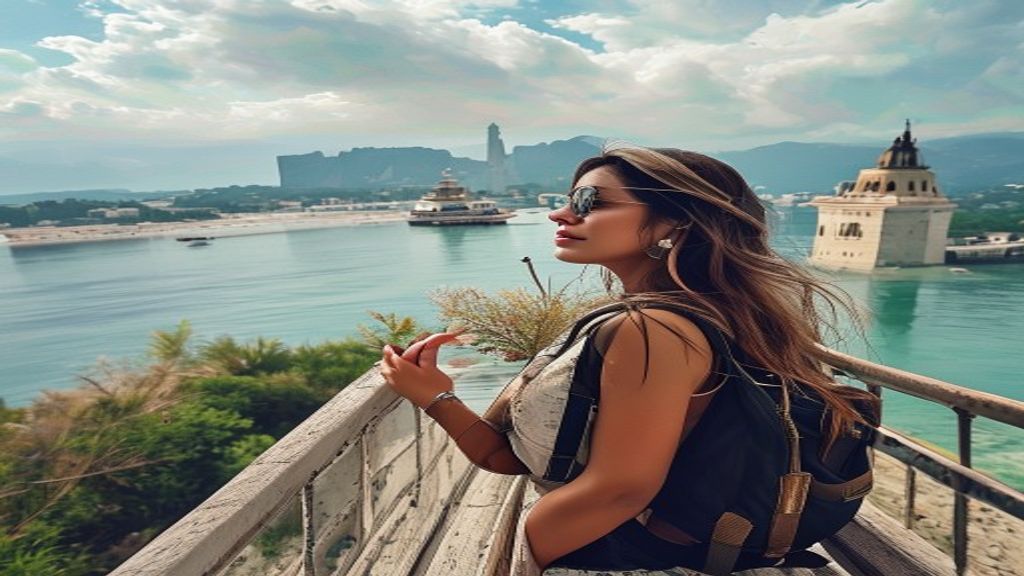
Sobremazas Travel Guide
Welcome to Sobremazas, a vibrant destination that blends historic charm with modern flair. Whether you’re a culture lover, foodie, or adventure seeker, this guide will help you plan a memorable visit in 2026.

Is Sobremazas worth visiting?
Many travelers find Sobremazas a hidden gem, offering rich history, lively markets, and stunning architecture. Its relaxed pace and friendly locals make it a welcoming spot for all ages.
Best Time to Visit
The climate in Sobremazas is mild, but the experience varies by season:
- Spring (March‑May): Blooming gardens and mild temperatures (15‑22°C). Ideal for walking tours.
- Summer (June‑August): Warm, sunny days (23‑30°C). Great for beachside cafes and outdoor festivals.
- Autumn (September‑November): Crisp air (16‑24°C) and harvest festivals. Perfect for food lovers.
- Winter (December‑February): Cooler (10‑18°C) with festive lights. A cozy time for museums.
Top Attractions
- Historic Old Town: Cobblestone streets, medieval squares, and the iconic Cathedral of San Miguel.
- Museo Nacional de Arte: Houses a renowned collection of Renaissance and contemporary works.
- Parque de la Libertad: A sprawling green space with fountains, sculptures, and panoramic city views.
- La Plaza de la Cultura: A lively square hosting markets, street performers, and seasonal festivals.
- Coastal Promenade: Walk along the sea, enjoy fresh seafood, and watch sunset over the horizon.
Local Food Categories
- Seafood: Fresh fish, octopus, and shrimp dishes served in seaside taverns.
- Tapas: Small plates like patatas bravas, chorizo, and olives—perfect for sharing.
- Desserts: Traditional sweets such as flan, churros, and local pastries.
- Wine & Spirits: Regional wines, sherry, and local craft beers.
Transportation Overview
- By Air: The nearest international airport is 45 km away, with frequent flights to major European hubs.
- By Train: Regular services connect Sobremazas to neighboring cities; the main station is centrally located.
- By Bus: Extensive regional bus network; city buses run every 10‑15 minutes.
- Within the City: Walking is the best way to soak in the atmosphere. Bicycles and scooters are available for rent.

Where to Stay
Sobremazas offers a range of accommodation options:
- Budget-friendly: Hostels and guesthouses in the Old Town.
- Mid-range ($$): Boutique hotels with modern amenities.
- Upscale ($$$): Luxury hotels overlooking the sea or historic buildings.
🏨 Where to Stay in Sobremazas
View All Hotels in Sobremazas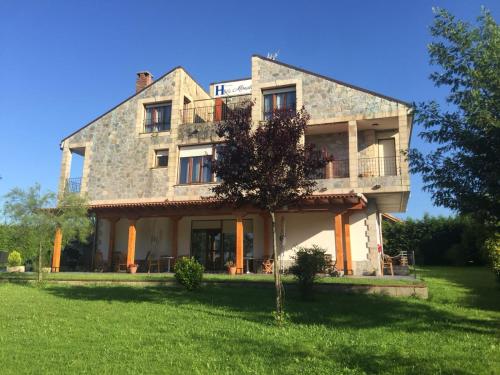

Practical Tips
- Language: Spanish is the official language; English is widely understood in tourist areas.
- Currency: Euro (€). Credit cards are accepted everywhere.
- Safety: Sobremazas is generally safe; keep an eye on personal belongings in crowded areas.
- Duration: A 4‑day trip allows you to explore the main sights, enjoy local cuisine, and relax by the sea.

Frequently Asked Questions
What is the best time to visit Sobremazas?
The shoulder seasons of spring (March‑May) and autumn (September‑November) offer mild weather and fewer crowds, making them ideal for sightseeing and outdoor activities.
Is Sobremazas safe for tourists?
Yes, Sobremazas is considered safe for visitors. Common sense precautions, such as safeguarding valuables and staying aware of your surroundings, are sufficient.
How much does a typical day cost in Sobremazas?
A budget-friendly day can be managed with €20‑30 for food, transport, and entry fees. Mid-range travelers might spend €50‑70, while upscale visitors could budget €100+.
What language do locals speak?
Spanish is the primary language. English is spoken in tourist hotspots, but learning a few basic Spanish phrases enhances the experience.