Sitges Travel Guide 2026
Sitges, a jewel on Spain’s Costa Brava, blends vibrant beach life with rich cultural heritage. In 2026, travelers find the town buzzing with festivals, art, and sun‑kissed shores. Whether you’re a first‑time visitor or a seasoned explorer, this guide covers the best time to visit, top attractions, local food, transport, and where to stay.

Is Sitges worth visiting?
Sitges is a must‑visit destination for its lively atmosphere, historic architecture, and beautiful beaches. Many visitors enjoy the blend of relaxed seaside charm and vibrant cultural scene.
Best Time to Visit Sitges
The optimal window for a Sitges trip balances warm weather with lively events. Here’s a month‑by‑month breakdown:
- May – June: Mild temperatures (20‑25°C), fewer crowds, and the start of beach season.
- July – August: Peak summer; temperatures climb to 28‑32°C, perfect for sunbathing and nightlife.
- September: Warm seas, fewer tourists, and the famous Sitges Film Festival.
- October – November: Cooler, rainy days but quieter streets and lower prices.
Top Well‑Known Attractions
Sitges offers a mix of historic sites, art galleries, and natural beauty:
- Church of Sant Bartomeu i Santa Tecla: A Gothic‑style landmark with panoramic views.
- Maricel Museum: Showcases Catalan art and maritime history.
- Casa Coll i Vendrell: An Art Nouveau villa turned museum.
- Playa de la Fragata: A family‑friendly beach with calm waters.
- Platja de l’Escala: Ideal for windsurfing and sunset walks.
- The Passeig de la Ribera: Lined with cafés, boutiques, and historic façades.

Typical Local Food Categories
Sitges’ culinary scene reflects Catalan traditions with a beach‑side twist:
- Seafood: Fresh fish, octopus, and paella served in seaside restaurants.
- Tapas: Small plates like patatas bravas, anchovies, and grilled sardines.
- Catalan pastries: Croissants, ensaimadas, and sweet breads.
- Local wines: Rosés from nearby vineyards.
- Vegetarian options: Fresh salads, grilled vegetables, and vegan tapas.
Transportation Overview
Getting to and around Sitges is straightforward:
- By train: The R2 line connects Barcelona Sants to Sitges in ~30 minutes.
- By bus: Several regional buses run from Barcelona and surrounding towns.
- By car: Parking is available but can be expensive during peak season.
- Walking: The town center is compact; many attractions are within a 15‑minute stroll.
- Bicycle: Rent a bike to explore the promenade and nearby coves.

Where to Stay
Sitges offers accommodations for every budget:
- Budget‑friendly: Hostels and guesthouses near the beach.
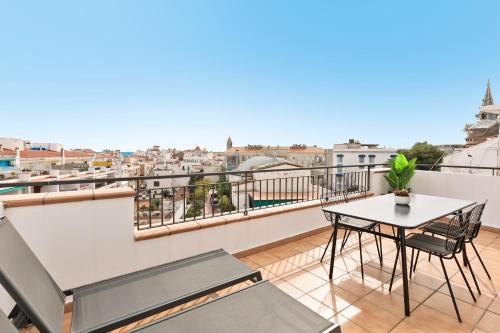
- Mid‑range ($$): Boutique hotels and serviced apartments.
- Upscale ($$$): Luxury hotels with sea views and spa facilities.
🏨 Where to Stay in Sitges
View All Hotels in Sitges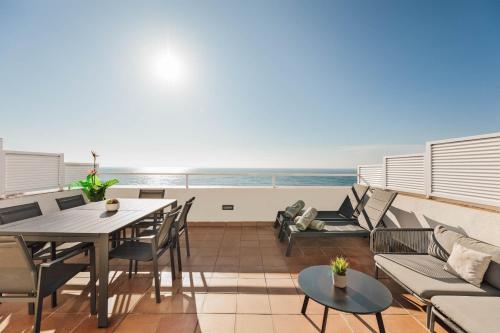

Tips for a Memorable Visit
- Book early for summer stays and festival tickets.
- Try local markets on weekends for fresh produce and artisanal goods.
- Explore the old town on foot to soak in the historic ambience.
- Respect beach etiquette: Bring a towel, sunscreen, and a hat.
- Use public transport to avoid parking hassles.
Frequently Asked Questions
What is the best time to visit Sitges?
The best time is late spring (May–June) for mild weather and fewer crowds, or summer (July–August) for full beach season. September offers a mix of warm seas and cultural events like the Film Festival.
Is Sitges safe for tourists?
Sitges is generally safe, with low crime rates. Standard travel precautions apply, especially in crowded tourist spots.
How much does a typical stay cost in Sitges?
Prices vary: budget options start around €30/night, mid‑range hotels range €80‑€150, and upscale accommodations can exceed €200.
What language is spoken in Sitges?
Catalan and Spanish are official. English is widely understood in tourist areas.