Schwabisch Hall Travel Guide 2026
Welcome to Schwabisch Hall, a charming town in Bavaria that blends historic architecture with vibrant local culture. Whether you’re a history buff, food lover, or simply seeking a peaceful getaway, Schwabisch Hall offers a wealth of experiences that will delight you.
Is Schwabisch Hall worth visiting?
Yes, Schwabisch Hall is a hidden gem that offers a unique blend of medieval charm, cultural festivals, and hearty Bavarian cuisine. Its well-preserved town center and friendly locals make it a memorable destination for travelers of all ages.
Best Time to Visit
The optimal months for a Schwabisch Hall visit are May to June and September to October. During these periods, the weather is mild, the crowds are manageable, and local festivals bring the town to life.
- May–June: Warm temperatures (15–22°C), blooming gardens, and the annual Schwabisch Hall Music Festival.
- September–October: Crisp autumn air (10–18°C), colorful foliage, and the Harvest Fair.
Top Attractions
1. St. Michael’s Church
St. Michael’s is a stunning example of Gothic architecture. Its towering spire and intricate stone carvings attract many visitors. The church offers guided tours that delve into its history and artistic treasures.
2. Schwabisch Hall Town Hall (Rathaus)
The Rathaus, with its ornate façade and historic clock tower, is a focal point of the main square. The building houses a small museum that showcases the town’s civic history.
3. The Old Town (Altstadt)
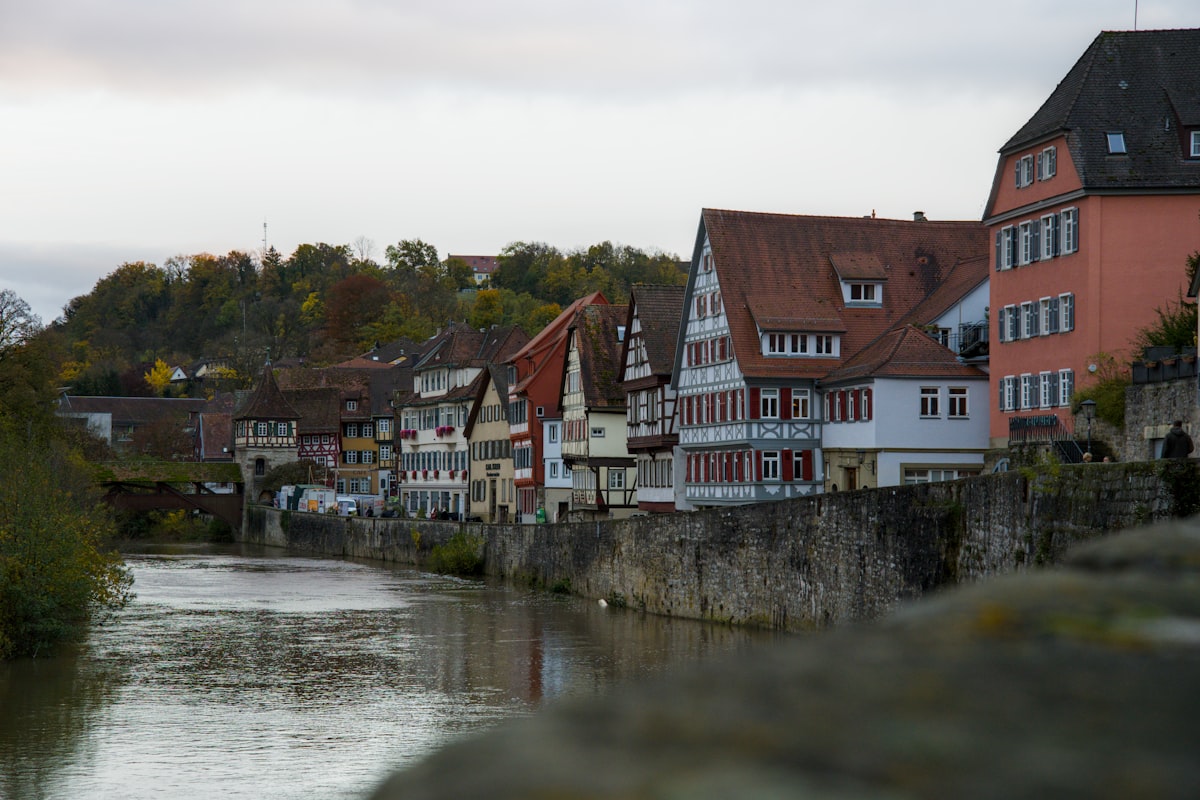
Stroll through cobblestone streets lined with timber-framed houses. The Altstadt is perfect for photography, shopping, and enjoying street performances during festivals.
4. Schwabisch Hall Castle Grounds
While the castle itself is not open to the public, the surrounding gardens and park offer scenic walking paths and panoramic views of the town.
5. Local Markets
Weekly markets on the main square feature fresh produce, local cheeses, and handmade crafts. They are ideal for experiencing everyday Bavarian life.
Typical Local Food Categories
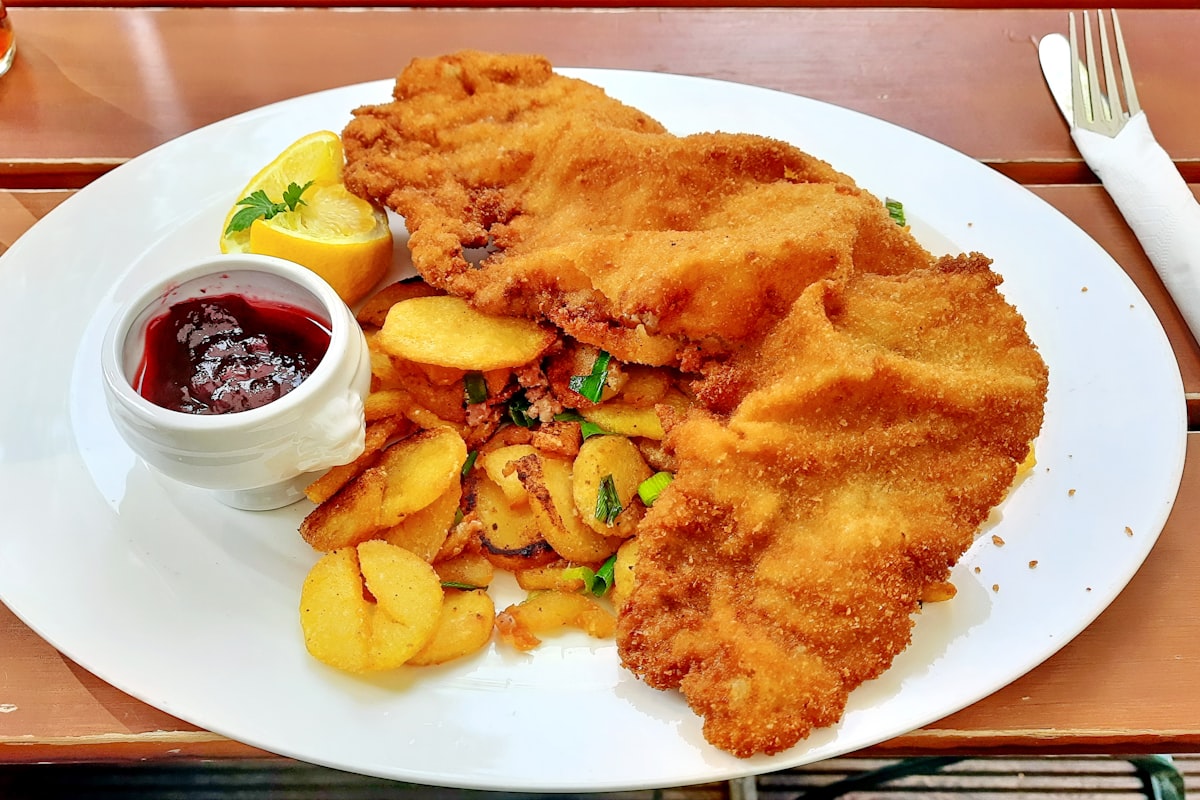
- Bavarian Schnitzel: A classic pork or veal cutlet served with potato salad.
- Pretzels (Brezeln): Soft, salty, and often accompanied by mustard.
- Sauerkraut and Sausage: A hearty dish that showcases regional flavors.
- Apple Strudel: Sweet pastry filled with spiced apples, perfect for dessert.
- Beer: Local breweries offer a variety of lagers and wheat beers.
Transportation Overview
Getting There
- By Train: Schwabisch Hall is connected to Munich and Nuremberg via regional trains. The journey takes approximately 2–3 hours.
- By Car: The town is accessible via the A9 motorway. Parking is available in designated lots near the main square.
- By Bus: Regional bus lines link Schwabisch Hall to nearby towns and cities.
Within the Town
- Walking: The town center is compact and pedestrian-friendly.
- Bicycle: Several rental shops offer bikes for short rides around the town.
- Public Bus: A local bus network serves outlying areas and nearby villages.
Where to Stay
🏨 Where to Stay in Schwabisch Hall
View All Hotels in Schwabisch Hall

Accommodation ranges from budget-friendly hostels to mid-range hotels and upscale boutique stays. Many options are located within walking distance of the main square, offering easy access to attractions.
Practical Tips
- Language: German is the primary language, but many locals speak English.
- Currency: The Euro (€) is used. Credit cards are widely accepted.
- Connectivity: Free Wi‑Fi is available in most cafés and public spaces.
- Safety: Schwabisch Hall is a safe destination with low crime rates.
Frequently Asked Questions
What is the best time to visit Schwabisch Hall?
The best months are May to June and September to October, offering mild weather and vibrant local festivals.
Is Schwabisch Hall safe for tourists?
Yes, Schwabisch Hall is considered safe with low crime rates and friendly locals.
How much does a typical day cost in Schwabisch Hall?
Expect budget-friendly meals, mid-range accommodation, and free or low-cost attractions, keeping daily expenses moderate.
What language is spoken in Schwabisch Hall?
German is the official language, but many residents speak English, especially in tourist areas.
[IMAGE: famous landmark in Schwabisch Hall