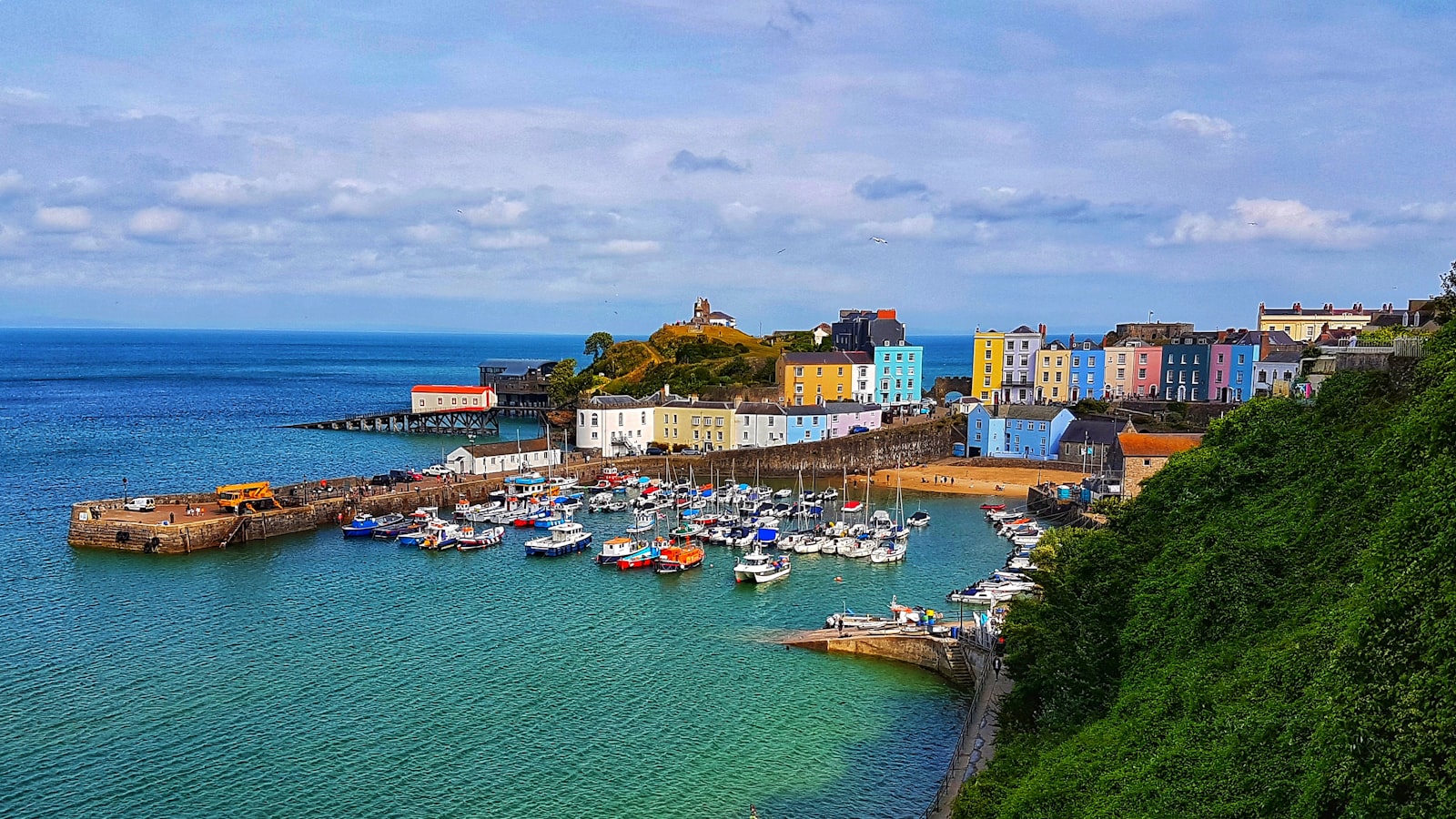
Santa Venerina Travel Guide 2026
Welcome to Santa Venerina, a charming coastal town that blends historic streets with vibrant seaside culture. Whether you’re a history buff, foodie, or simply looking for a relaxed getaway, Santa Venerina offers a warm, welcoming atmosphere that makes every visitor feel at home.
Is Santa Venerina worth visiting?
Yes, Santa Venerina is a hidden gem on the Mediterranean coast. Its well-preserved historic center, lively markets, and delicious seafood make it a must-see destination for travelers seeking authentic Italian charm.
Best Time to Visit
The climate in Santa Venerina is Mediterranean, with mild winters and warm summers. For the most pleasant experience:
- Spring (April to June): Temperatures range from 15°C to 22°C. The town blooms with fresh flowers, and the sea is calm.
- Early Autumn (September to October): Similar temperatures, fewer crowds, and the sea remains warm.
- Summer (July to August): Hot, with highs around 28°C. Ideal for beach days but expect larger crowds.
Top Attractions
Santa Venerina offers a mix of historic sites, natural beauty, and cultural experiences:
- The Cathedral of Santa Venerina: A stunning example of Baroque architecture with intricate stonework.
- The Old Harbor: A bustling area where fishermen bring in daily catches and tourists stroll along the promenade.
- The Historic Center: Narrow cobblestone streets lined with artisan shops and cafés.
- The Coastal Trail: A scenic path that follows the shoreline, perfect for walking or cycling.
- Local Museums: Small but informative, showcasing the town’s maritime history.

Local Food Categories
Santa Venerina’s cuisine reflects its maritime heritage and regional traditions. Here are the key categories you’ll encounter:
- Seafood: Fresh fish, mussels, and octopus grilled or served in stews.
- Pasta: Homemade pasta dishes with local sauces, often featuring seafood or olive oil.
- Olive Oil & Vinegar: High-quality local oils and vinegars that elevate simple dishes.
- Desserts: Traditional pastries like cannoli and gelato made with local ingredients.
- Wine: Regional reds and whites that pair beautifully with the local fare.
Transportation Overview
Getting to and around Santa Venerina is straightforward:
- By Air: The nearest international airport is 50 km away. From there, a 45‑minute bus or taxi ride takes you to the town.
- By Train: Regular regional trains connect Santa Venerina to major cities. The station is centrally located.
- By Car: Renting a car offers flexibility, especially if you plan to explore surrounding villages.
- Local Transit: Buses run frequently between the harbor, historic center, and nearby beaches.
- Walking & Cycling: The town’s compact layout makes walking a pleasant option. Bike rentals are available near the harbor.

Where to Stay
Santa Venerina offers a range of accommodation options to suit every budget:
- Budget-friendly: Hostels and guesthouses with basic amenities.
- Mid-range ($$): Boutique hotels and family-run inns.
- Upscale ($$$): Luxury hotels with sea views and spa services.

Practical Tips for Travelers
- Language: Italian is the official language, but many locals speak English, especially in tourist areas.
- Currency: The Euro (€) is used. Credit cards are widely accepted.
- Safety: Santa Venerina is generally safe. Keep an eye on personal belongings in crowded markets.
- Duration: A 3‑day stay allows you to explore the main sights, enjoy the beach, and experience local cuisine.
Frequently Asked Questions
What is the best time to visit Santa Venerina?
The most comfortable months are April to June and September to October, when temperatures are mild and crowds are smaller.
Is Santa Venerina safe for tourists?
Yes, Santa Venerina is a safe destination. Standard travel precautions apply, and the local police presence is reassuring.
How much does a typical day cost in Santa Venerina?
Expect to spend around budget-friendly for meals and transport, mid-range for accommodation, and upscale for dining and activities.
What languages are commonly spoken in Santa Venerina?
Italian is the primary language, but many locals speak English, especially in the hospitality sector.

[IMAGE: famous landmark in Santa Venerina