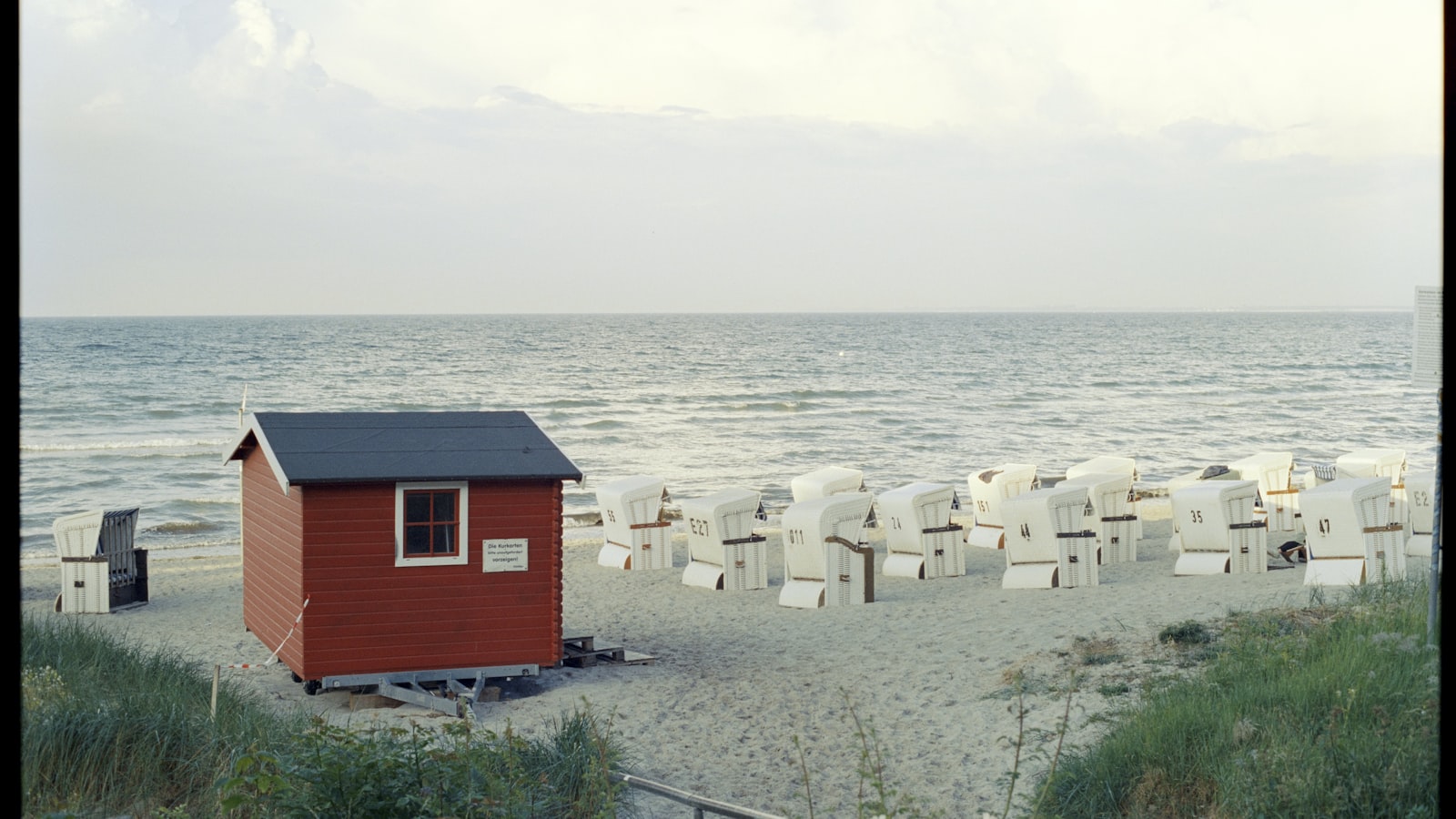
Salitran Travel Guide 2026
Welcome to Salitran, a city where history, culture, and modernity blend seamlessly. Whether you’re a first‑time visitor or a seasoned traveler, this guide will help you navigate the best times to visit, must‑see attractions, local flavors, and practical travel tips.

Is Salitran worth visiting?
Many visitors enjoy Salitran for its rich cultural heritage, lively markets, and welcoming locals. The city offers a unique blend of historic sites and contemporary attractions, making it a rewarding destination for travelers of all interests.
Best Time to Visit
Salitran experiences a mild Mediterranean climate. The most pleasant months are April to June and September to October when temperatures range from 20°C to 28°C. These periods offer sunny days, lower humidity, and vibrant street life.
- April‑June: Spring blossoms, cultural festivals, and comfortable temperatures.
- September‑October: Harvest season, fewer crowds, and mild evenings.
Top Well‑Known Attractions
Historical Core
- Old Town Square: The heart of Salitran, surrounded by cobblestone streets and historic façades.
- Salitran Cathedral: A UNESCO‑listed cathedral known for its stunning Baroque architecture.
- Museum of National History: Offers exhibits on the city’s founding and regional heritage.
Cultural Hotspots
- Artisan Market: A bustling market where local craftspeople sell textiles, pottery, and jewelry.
- Modern Art Gallery: Features contemporary works by regional artists.
- Riverfront Promenade: Ideal for evening strolls with views of the river and city lights.
Natural Attractions
- Botanical Gardens: Home to diverse plant species and themed gardens.
- Hilltop Park: Provides panoramic views of Salitran and the surrounding countryside.
Typical Local Food Categories
Salitran cuisine reflects its coastal and inland influences. Explore these categories:
- Seafood: Fresh fish, octopus, and mussels served in traditional stews.
- Grilled Meats: Tender cuts of beef and pork, often seasoned with local herbs.
- Vegetarian Dishes: Hearty bean stews and roasted vegetable platters.
- Desserts: Sweet pastries, custard tarts, and fruit sorbets.
Transportation Overview
Getting There
- By Air: Salitran International Airport connects to major hubs in Europe and North America.
- By Train: The central train station links Salitran to regional cities.
- By Bus: National bus services provide affordable routes from neighboring towns.
Getting Around
- Public Transit: An extensive bus network covers the city and suburbs.
- Taxis & Ride‑Share: Widely available; fares are reasonable and drivers are knowledgeable.
- Bicycles: Dedicated bike lanes make cycling a safe and eco‑friendly option.

Where to Stay
Salitran offers accommodation for every budget:
- Budget‑Friendly: Hostels and guesthouses with basic amenities.
- Mid‑Range ($$): Boutique hotels and well‑rated B&Bs.
- Upscale ($$$): Luxury hotels with spa services and fine dining.
Practical Tips
- Language: Spanish is the primary language; English is common in tourist areas.
- Currency: The local currency is the Salitran Peso (S$). ATMs are plentiful.
- Safety: Salitran is generally safe; standard precautions apply.
- Duration: A 4‑day itinerary covers the main sights and allows time for leisurely exploration.
Frequently Asked Questions
What is the best time to visit Salitran?
The most comfortable months are April to June and September to October, offering mild temperatures and vibrant city life.
Is Salitran safe for tourists?
Yes, Salitran is considered safe for travelers. Common sense precautions, such as avoiding isolated areas at night, are sufficient.
How much does a typical day cost in Salitran?
Daily expenses vary: budget travelers spend around $30‑$50, mid‑range travelers $70‑$120, and upscale travelers $150+.
What language do locals speak?
Spanish is the official language, but many locals in tourist areas speak English and other European languages.
[IMAGE: famous landmark in Salitran