Salerno Travel Guide 2026
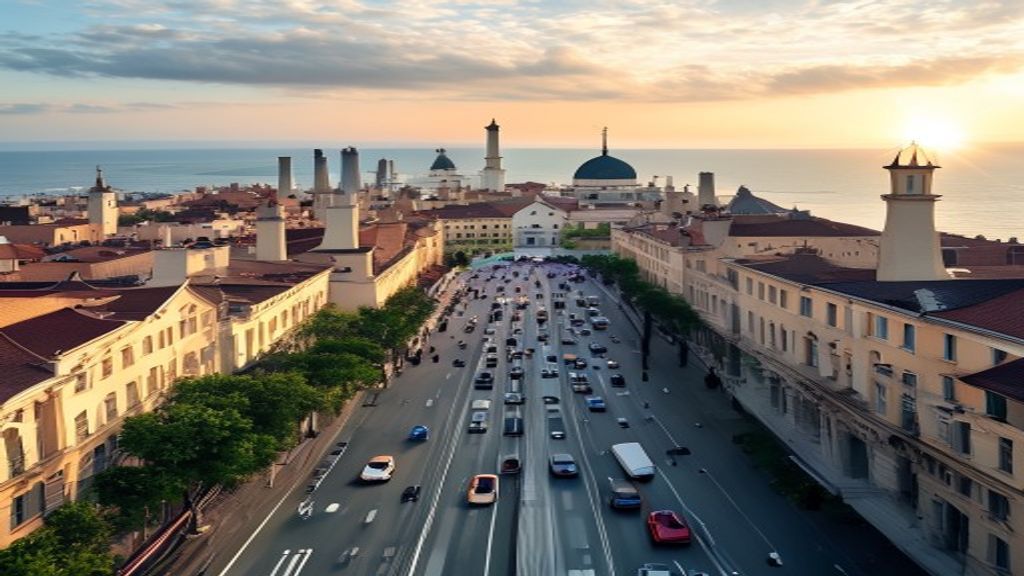
Salerno is a vibrant coastal city on Italy’s Amalfi Coast, known for its historic cathedral, lively piazzas and stunning sea views. If you’re planning a trip in 2026, this guide will help you choose the best time to visit, explore must‑see sites, savor local flavors, navigate transport and find the right accommodation.
Is Salerno worth visiting?
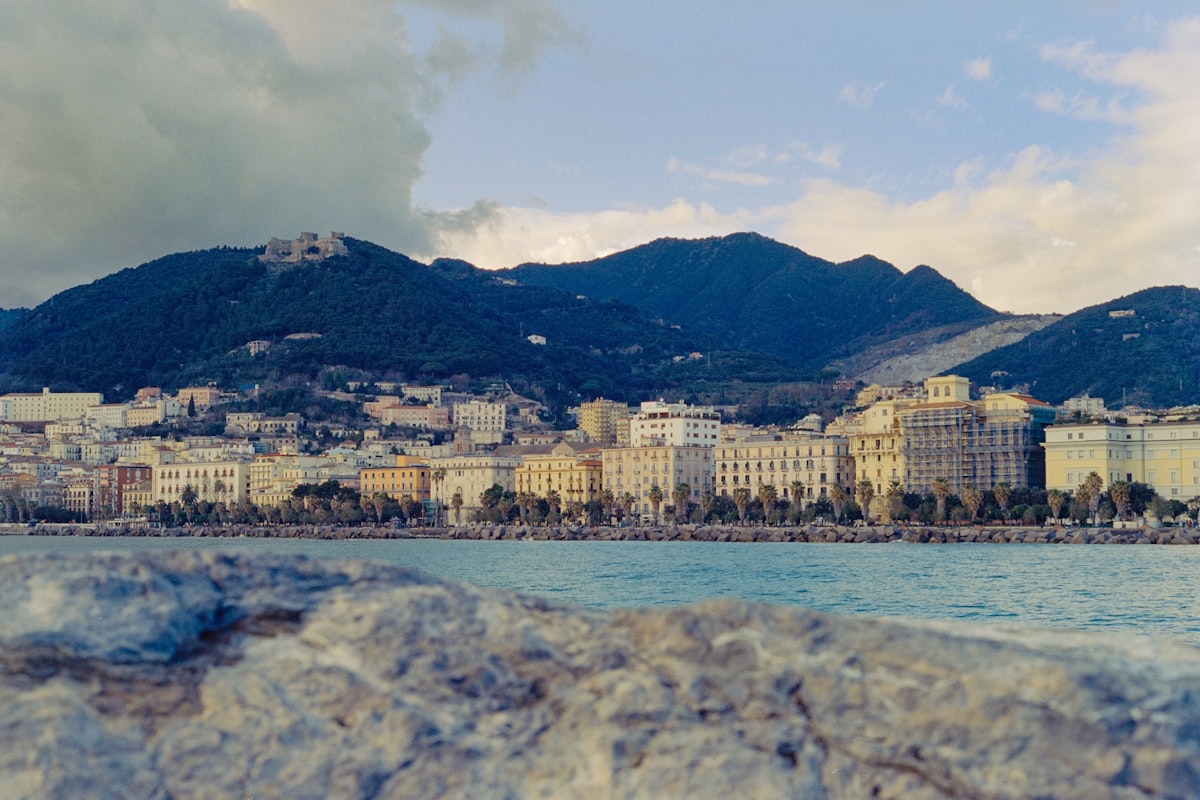
Salerno offers a unique blend of history, culture and seaside charm. From the medieval Duomo to the bustling market, there’s something for every traveler. Its relaxed atmosphere and proximity to Amalfi and Naples make it a perfect base for exploring the region.
When to Visit Salerno
The best months for a visit are late spring (May‑June) and early autumn (September‑October). During these periods, the weather is warm but not scorching, and the crowds are thinner than in July and August.
- May‑June: Average highs 22‑26 °C, ideal for walking the historic center.
- September‑October: Pleasant temperatures 20‑24 °C, excellent for beach time and wine tastings.
Top Attractions
- Duomo di Salerno: A stunning cathedral with a 12th‑century bell tower. Admission is around $10‑15.
- Castello Svevo: A medieval fortress offering panoramic views of the city and sea.
- Piazza del Mercato: The heart of local commerce, where you can sample fresh produce and street food.
- Lungomare Trieste: A scenic promenade perfect for sunset walks.
- Museo Archeologico Provinciale: Home to artifacts from the ancient Greek colony of Cuma.

Local Food Categories
Salerno’s cuisine reflects its coastal location and agricultural heritage. Typical categories include:
- Seafood: Fresh fish, mussels, and the famous acciughe (anchovies) served in olive oil.
- Pasta: Pasta alla Norma and pasta con le sarde are local specialties.
- Cheese & Olives: Burrata, mozzarella di bufala, and locally produced olives.
- Desserts: Cantucci and gelato from family‑run gelaterias.
Transportation Overview
- By Train: Salerno is a major hub on the Circumvesuviana line, connecting to Naples, Pompeii, and Sorrento. Trains run every 15‑20 minutes.
- By Bus: Local buses serve the city center and nearby villages.
- By Car: Renting a car gives flexibility to explore the Amalfi Coast, but parking in the historic center can be challenging.
- By Ferry: Seasonal ferries link Salerno to Capri and other coastal towns.
Where to Stay
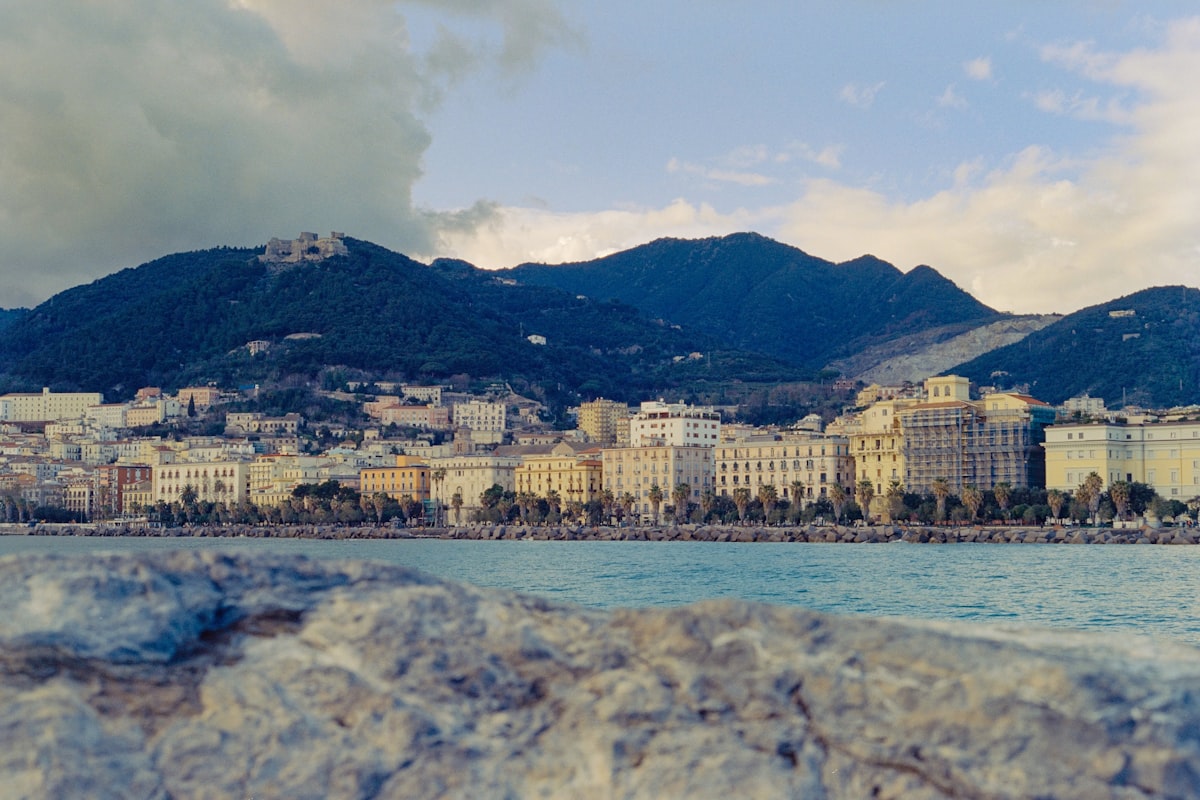
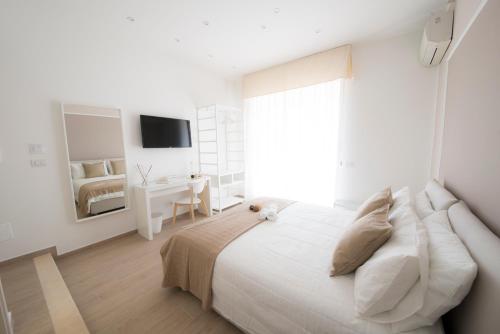
Salerno offers a range of accommodation options to suit every budget. From boutique hotels near the cathedral to family‑run guesthouses along the promenade, you’ll find something that feels like home.
- Budget‑friendly: Hostels and B&Bs in the historic center.
- Mid‑range ($$): Hotels with sea views and easy access to public transport.
- Upscale ($$$): Luxury hotels and resorts on the waterfront.
🏨 Where to Stay in Salerno
View All Hotels in Salerno

Practical Tips
- Language: Italian is the official language, but English is widely understood in tourist areas.
- Currency: The euro (EUR) is used; credit cards are accepted in most places.
- Safety: Salerno is generally safe for tourists. Keep an eye on your belongings in crowded markets.
- Duration: A 3‑day stay allows you to explore the city, visit nearby Amalfi, and enjoy a day trip to Naples.
Frequently Asked Questions
What is the best time to visit Salerno?
The optimal period is May‑June and September‑October, offering mild weather and fewer crowds. Summer months can be hot and busy, especially around major attractions.
Is Salerno safe for tourists?
Yes, Salerno is considered safe. Standard precautions—watching belongings in crowded areas—are sufficient for a worry‑free visit.
How much does a typical day cost in Salerno?
A budget traveler can manage with 70‑100 € per day, covering meals, transport, and entry fees. Mid‑range travelers should budget 150‑200 €.
What language is spoken in Salerno?
Italian is the official language, but English is commonly spoken in hotels, restaurants, and tourist sites.