Rostock Travel Guide 2026
Rostock is a charming Baltic‑coast city that blends medieval streets with modern culture. In 2026, visitors can enjoy vibrant festivals, historic architecture, and fresh seafood. Whether you’re a history buff, foodie, or beach lover, Rostock offers a memorable experience.
Why Visit Rostock?
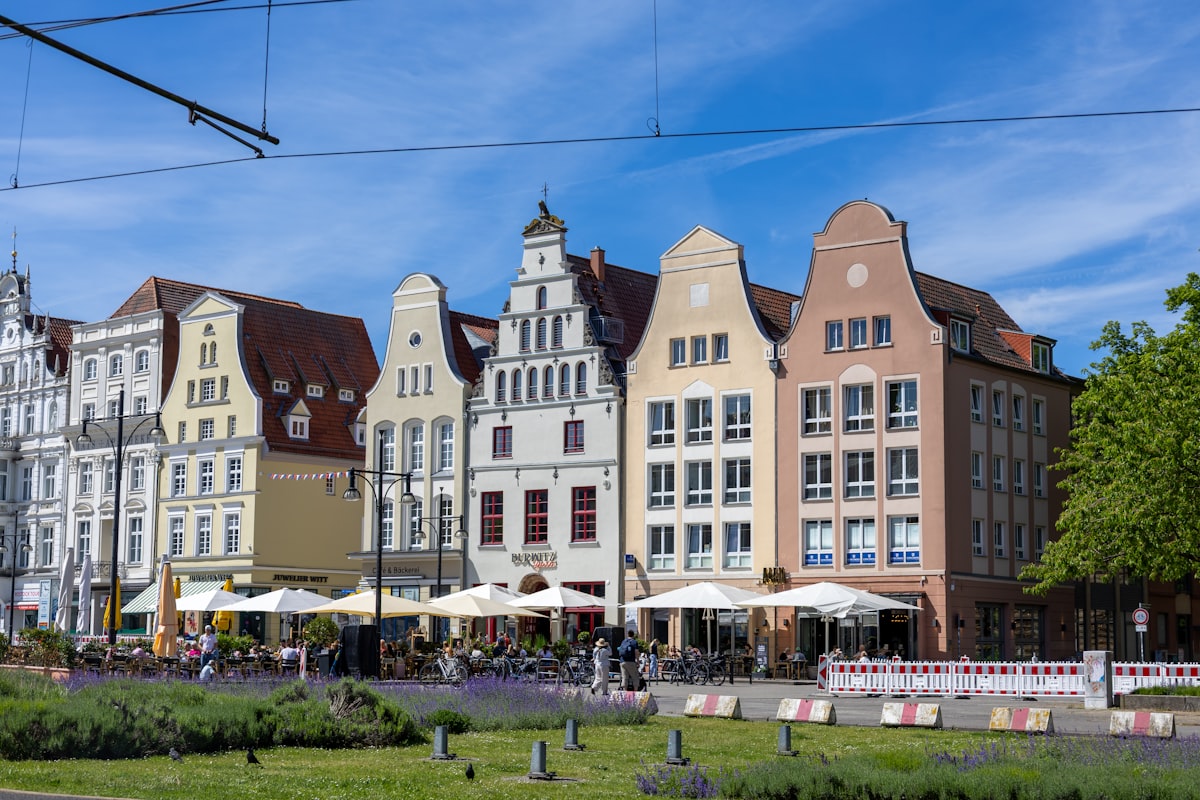
Rostock is known for its lively harbor, well‑preserved old town, and proximity to the beautiful Warnemünde beach. The city’s relaxed atmosphere and friendly locals make it a perfect destination for travelers seeking a mix of culture and nature.
Best Time to Visit
The optimal months for a Rostock trip are May to June and September to October. During late spring and early autumn, the weather is mild, crowds are manageable, and festivals like the Rostock Summer Festival and Autumn Market add extra charm.
- May‑June: Temperatures 15‑22 °C, blooming gardens.
- July‑August: Warmer, 20‑26 °C, beach season.
- September‑October: Crisp air, 12‑18 °C, harvest festivals.
- November‑March: Cooler, 0‑10 °C, fewer tourists, cozy cafés.
Top Well‑Known Attractions
1. St. Mary's Church (Marienkirche)
A Gothic masterpiece, the church’s spire offers panoramic views of the city. Many visitors enjoy the climb to the tower for sunrise.
2. Warnemünde Harbor
The seaside quarter is a hub for seafood, boat tours, and the iconic lighthouse. The promenade is perfect for a sunset stroll.
3. Rostock Zoo
Home to over 1,000 animals, the zoo is a family favorite. The Sea Lion Show is a must‑see.
4. Museum für Kunst und Kulturgeschichte
Showcasing regional art from the Middle Ages to contemporary works, this museum is a cultural cornerstone.
5. Universitätsbibliothek Rostock
A historic library with stunning architecture and a quiet reading room.
Typical Local Food Categories
- Seafood: Fresh cod, herring, and mussels served in local taverns.
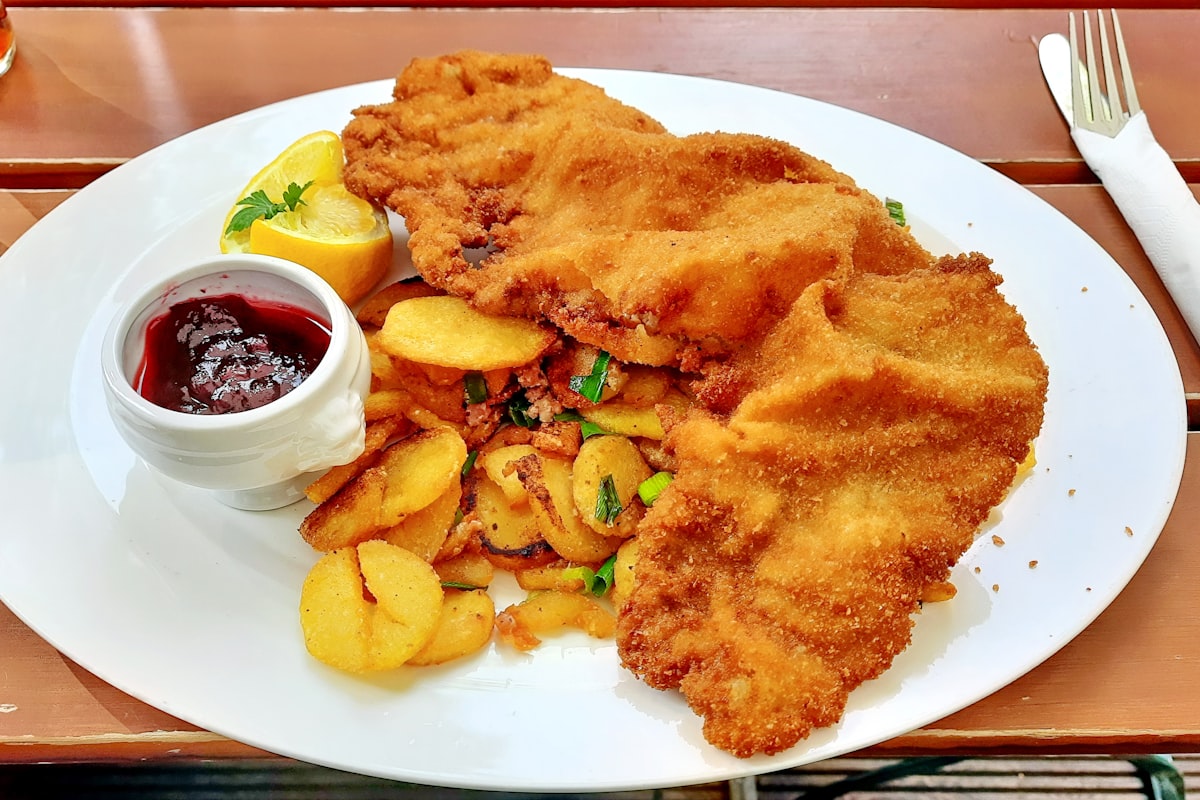
- German Classics: Sausage platters, sauerkraut, and potato pancakes.
- Nordic Influences: Smoked fish, rye bread, and cloudberry desserts.
- Street Food: Currywurst stands and pretzel stalls line the market squares.
Transportation Overview
- By Plane: Rostock–Laage Airport connects to major German hubs.
- By Train: The city is on the ICE network; regional trains link to Berlin, Hamburg, and Lübeck.
- By Bus: Frequent city buses and regional coaches.
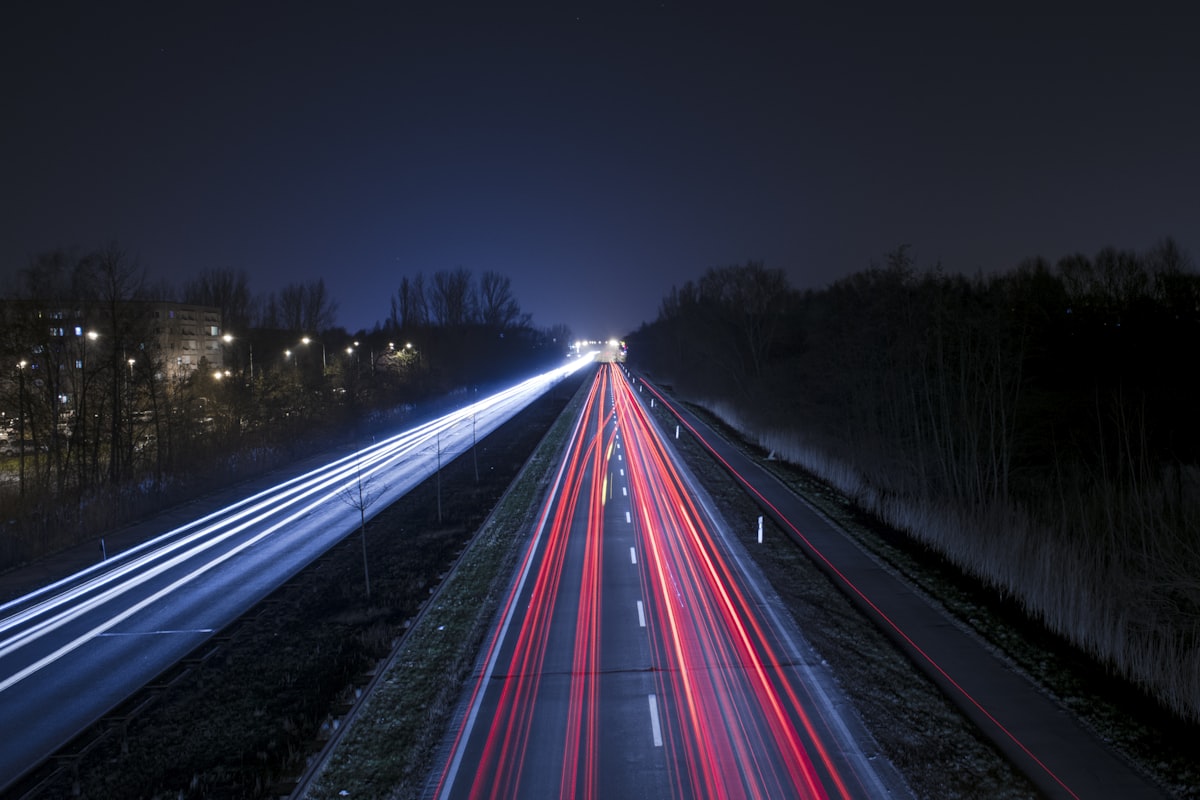
- By Car: Easy access via the A20 motorway; parking available in the city center.
- Bike Friendly: Numerous bike lanes and rental stations.
Where to Stay
Rostock offers a range of accommodations from budget hostels to upscale hotels. Choose a location that suits your itinerary:
- City Center: Close to historic sites and nightlife.
- Warnemünde: Ideal for beach lovers.
- University District: Great for students and budget travelers.
🏨 Where to Stay in Rostock

B&B Hotel Rostock City-West

Hotel Denkmal 13 Rostock - Kaufmannshaus Krahnstover

Hafenapartments Warnemunde
Practical Tips
- Language: German is official, but English is widely understood in tourist areas.
- Currency: Euro (€). Credit cards accepted everywhere.
- Safety: Rostock is generally safe; standard precautions apply.
- Duration: A 3‑day stay covers the main sights and a beach day.
Frequently Asked Questions
What is the best time to visit Rostock?
The best times are May‑June and September‑October when the weather is mild, festivals are in full swing, and crowds are moderate. Summer offers beach fun, while autumn provides harvest markets.
Is Rostock safe for tourists?
Yes, Rostock is a safe destination. Petty crime is minimal, and the city’s police presence is reassuring. Standard travel safety practices apply.
How much does a day in Rostock cost?
A typical day can range from budget‑friendly (€30‑50) to mid‑range (€70‑120), depending on dining, attractions, and accommodation choices.
What languages are spoken in Rostock?
German is the primary language, but English is commonly spoken in hotels, restaurants, and tourist spots. Some locals also speak Swedish and Russian.
[IMAGE: famous landmark in Rostock