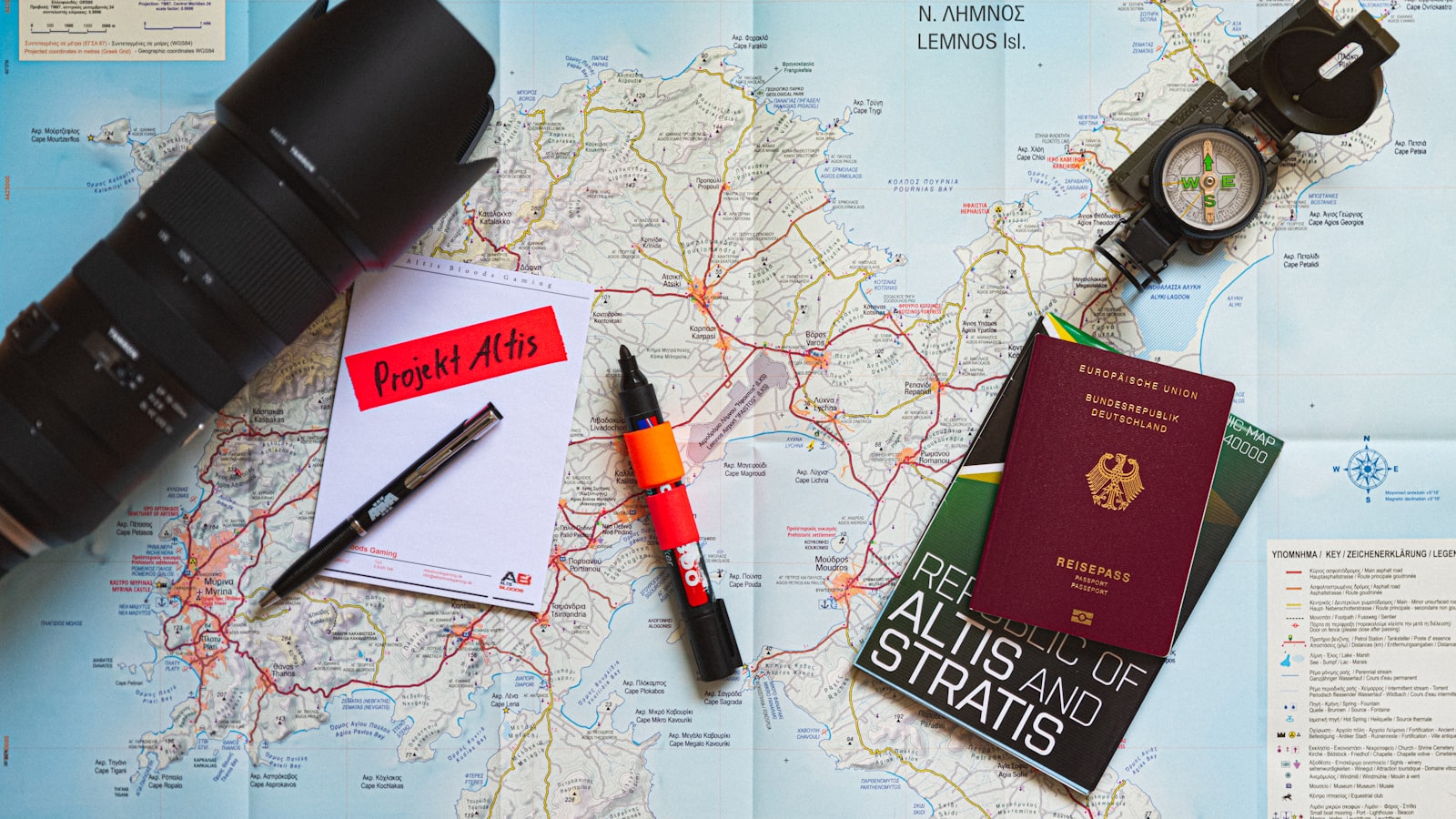
Rio Grande Travel Guide 2026
Welcome to Rio Grande, a vibrant coastal city where history meets modern charm. Whether you’re a culture lover, foodie, or adventure seeker, Rio Grande offers a rich tapestry of experiences that will leave you wanting more. In this guide, we’ll walk you through the best time to visit, top attractions, local food categories, transportation options, and accommodation tips to help you plan an unforgettable trip.

Best Time to Visit Rio Grande
The ideal months to explore Rio Grande are from March to May and September to November. During these shoulder seasons, the weather is pleasantly warm, the crowds are thinner, and the city’s outdoor festivals are in full swing. The summer months (June to August) can be hot and humid, while winter (December to February) brings cooler temperatures and occasional rain.
Top Well-Known Attractions
- Historic Old Town – Wander cobblestone streets lined with colonial architecture, artisan shops, and the iconic Cathedral of the Immaculate Conception.
- Coastal Promenade – Stroll along the beachfront promenade, enjoy sea breezes, and watch sunset over the Atlantic.
- National Museum of Rio Grande – Explore exhibits on indigenous cultures, colonial history, and maritime heritage.
- Botanical Gardens – A lush oasis featuring native flora, walking trails, and a serene lake.
- Waterfront Marina – Witness local fishing boats and enjoy fresh seafood right on the docks.

Typical Local Food Categories
- Seafood – Fresh catches such as shrimp, clams, and fish are staples. Many locals enjoy grilled or steamed preparations.
- Street Grilled Meats – Skewered meats cooked over open flames, often served with rice and beans.
- Traditional Soups – Hearty broths featuring local herbs and vegetables.
- Desserts – Sweet treats like coconut cakes and fruit sorbets are popular after a day of exploration.
Transportation Overview
- Airport – The regional airport offers flights from major cities and serves as the main gateway.
- Public Buses – A reliable network connects the city center with suburbs and nearby attractions.
- Taxis & Ride-Sharing – Widely available and convenient for short trips.
- Bicycle Rentals – Popular along the promenade and in the historic district.
- Car Rental – Ideal for exploring surrounding coastal towns and inland sites.

Where to Stay
Whether you prefer budget-friendly hostels, mid-range hotels, or upscale resorts, Rio Grande has options for every traveler. Many visitors stay near the historic center for easy access to attractions and dining.
🏨 Where to Stay in Rio Grande
View All Hotels in Rio Grande


Planning Your Trip
- Duration – A 4–5 day itinerary allows you to experience the city’s highlights without rushing.
- Language – Portuguese is the official language; English is commonly spoken in tourist areas.
- Safety – The city is generally safe for tourists, but standard precautions apply.
- Currency – The local currency is the Brazilian Real (BRL). Credit cards are widely accepted.
Featured Snippet
Is Rio Grande worth visiting? Yes, Rio Grande offers a unique blend of historic charm, vibrant culture, and stunning coastal scenery that appeals to all types of travelers.
Frequently Asked Questions
What is the best time to visit Rio Grande?
The best time to visit Rio Grande is from March to May and September to November. These months offer mild temperatures, lower tourist traffic, and vibrant local festivals.
Is Rio Grande safe for tourists?
Rio Grande is generally safe for tourists. It is advisable to stay in well-trafficked areas, keep valuables secure, and follow local advice on safe neighborhoods.
How much does a typical day cost in Rio Grande?
Daily expenses vary by travel style. Budget travelers can manage on $50-70 per day, mid-range travelers spend $70-120, and upscale travelers may spend $120+.
What language do people speak in Rio Grande?
Portuguese is the official language. English is commonly spoken in tourist hotspots, but learning basic Portuguese phrases enhances the experience.