Porta Westfalica Travel Guide 2026
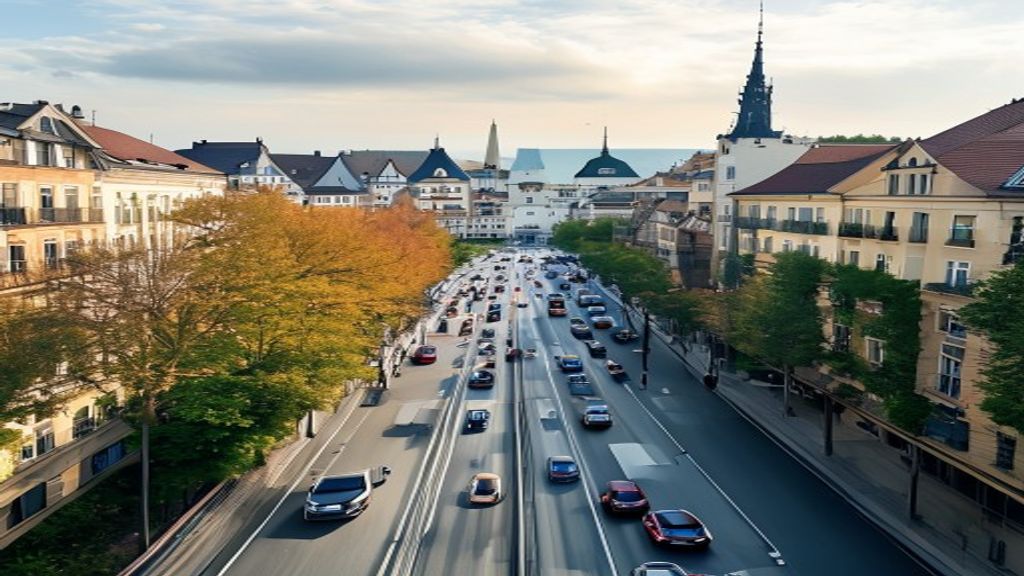
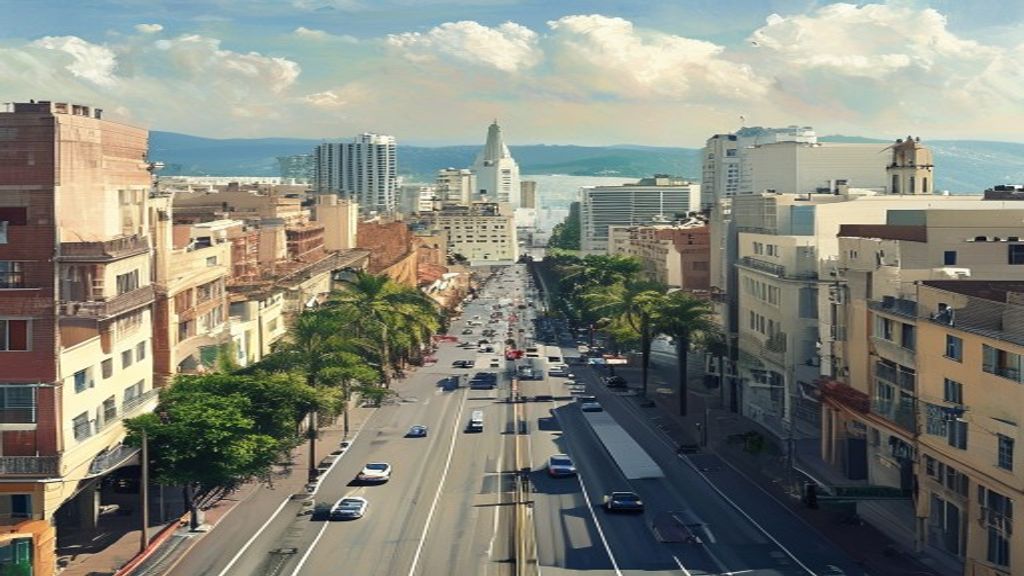
Porta Westfalica, a charming gateway between the Weser and Lippe rivers, offers a blend of natural beauty, historic sites, and vibrant local culture. Whether you’re planning a weekend escape or a longer stay, this guide will help you make the most of your visit.

Why Visit Porta Westfalica?
Many visitors enjoy the town’s unique position where the Weser meets the Lippe, creating dramatic cliffs and lush green valleys. The historic fortress, the scenic river promenade, and the lively market square make it a perfect destination for travelers seeking both adventure and relaxation.
Is Porta Westfalica worth visiting?
Porta Westfalica is a hidden gem that offers stunning natural landscapes, rich history, and authentic German hospitality. Its strategic location and well-preserved attractions make it a worthwhile stop for any traveler exploring northern Germany.
Best Time to Visit
The optimal visiting window depends on what you want to experience:
- Spring (April–June): Mild temperatures, blooming riverbanks, and fewer crowds.
- Summer (July–August): Warm weather perfect for river activities and festivals.
- Autumn (September–October): Crisp air, colorful foliage, and harvest events.
- Winter (November–March): Quiet, with opportunities for winter sports in nearby hills.
Top Attractions
Porta Westfalica Fortress
A medieval stronghold perched on a cliff, offering panoramic views of the Weser valley. Guided tours highlight its history and architectural details.
Weser River Promenade
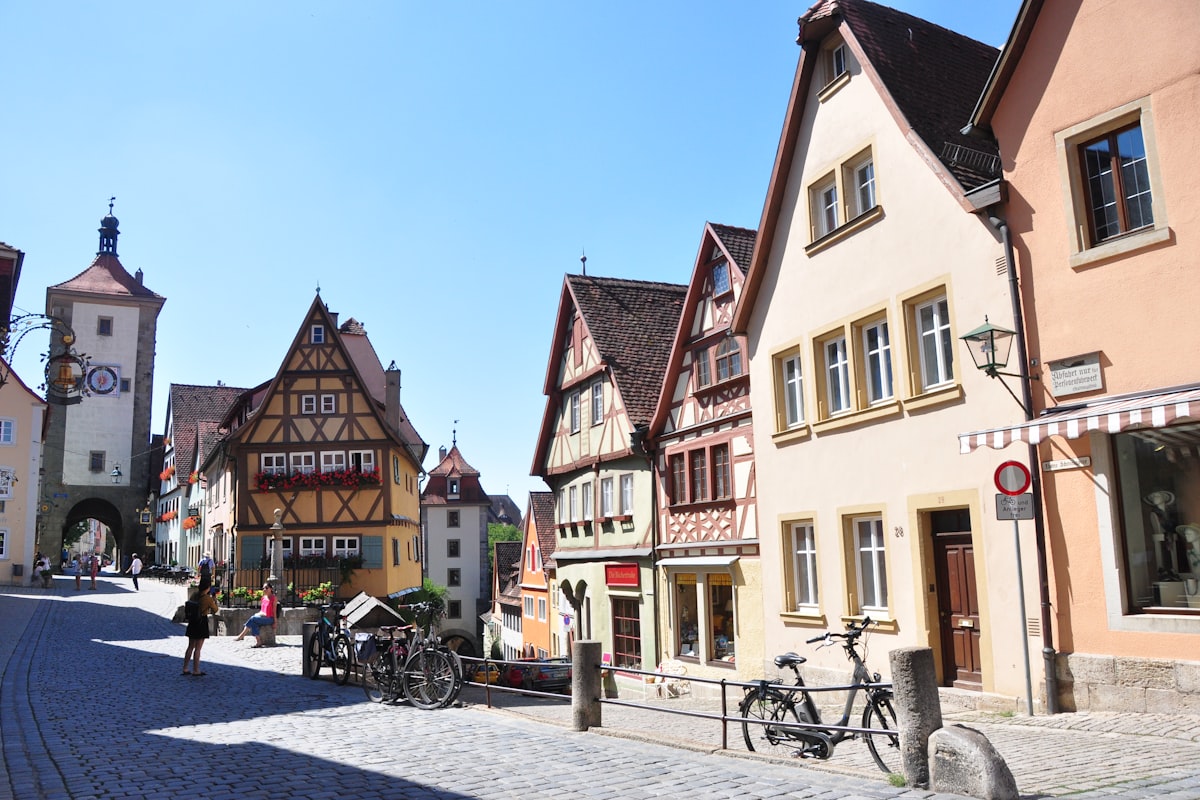
Stroll along the riverbank, enjoy bike rentals, and take in the natural scenery. The promenade is ideal for picnics and sunset walks.
Lippe River Trail
A scenic hiking path that follows the Lippe, perfect for nature lovers and families.
Market Square (Marktplatz)
The heart of the town, where local vendors sell crafts, fresh produce, and regional delicacies.
Local Food Categories
- Bakeries: Fresh rye bread, pretzels, and traditional German pastries.
- Seafood: Fresh fish from the Weser, often served grilled or in stews.
- Regional Stews: Hearty pot dishes featuring local pork and root vegetables.
- Desserts: Apple strudel, black forest cake, and seasonal fruit tarts.
Transportation Overview
- By Car: The A2 motorway provides quick access; parking is available near major attractions.
- By Train: Regular regional trains connect Porta Westfalica to Dortmund and Hanover.
- By Bus: Local bus lines serve the town center and surrounding villages.
- Cycling: Dedicated bike lanes along the Weser and Lippe make cycling safe and scenic.
Where to Stay
🏨 Where to Stay in Porta Westfalica
View All Hotels in Porta Westfalica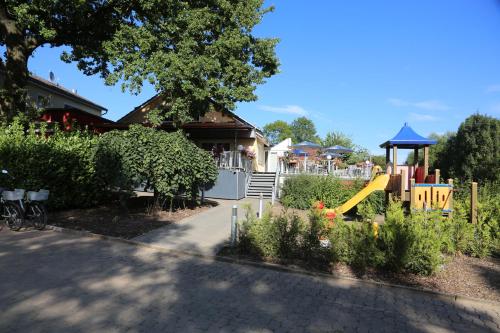
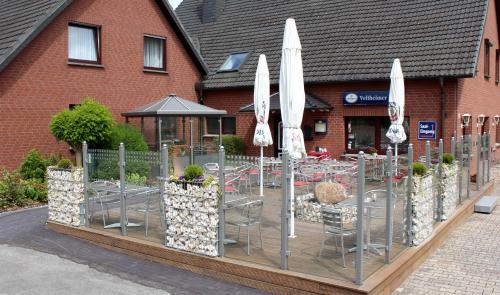
Accommodation ranges from budget-friendly guesthouses to mid-range hotels and upscale boutique stays. Many options offer easy access to the river promenade and historic sites.
Practical Tips
- Language: German is the primary language; English is commonly understood in tourist areas.
- Currency: Euro (€). ATMs are widely available.
- Safety: The town is safe for tourists; standard precautions apply.
- Duration: A 2‑3 day stay allows you to experience the main sights and enjoy local cuisine.
Frequently Asked Questions
What is the best time to visit Porta Westfalica?
The best time to visit is between late May and early September when the weather is warm, the river activities are in full swing, and the town hosts several festivals.
Is Porta Westfalica safe for tourists?
Yes, Porta Westfalica is considered safe for tourists. The town has a low crime rate, and local authorities maintain good public safety standards.
How much does a typical day cost in Porta Westfalica?
A typical day can range from budget-friendly to mid-range. Expect to spend around €30–€50 on meals, local transport, and entrance fees for attractions.
What language do locals speak, and is English widely understood?
German is the official language. English is widely understood in tourist areas, especially among younger residents and in hospitality services.


[IMAGE: Porta Westfalica river promenade