Paju-si Travel Guide 2026
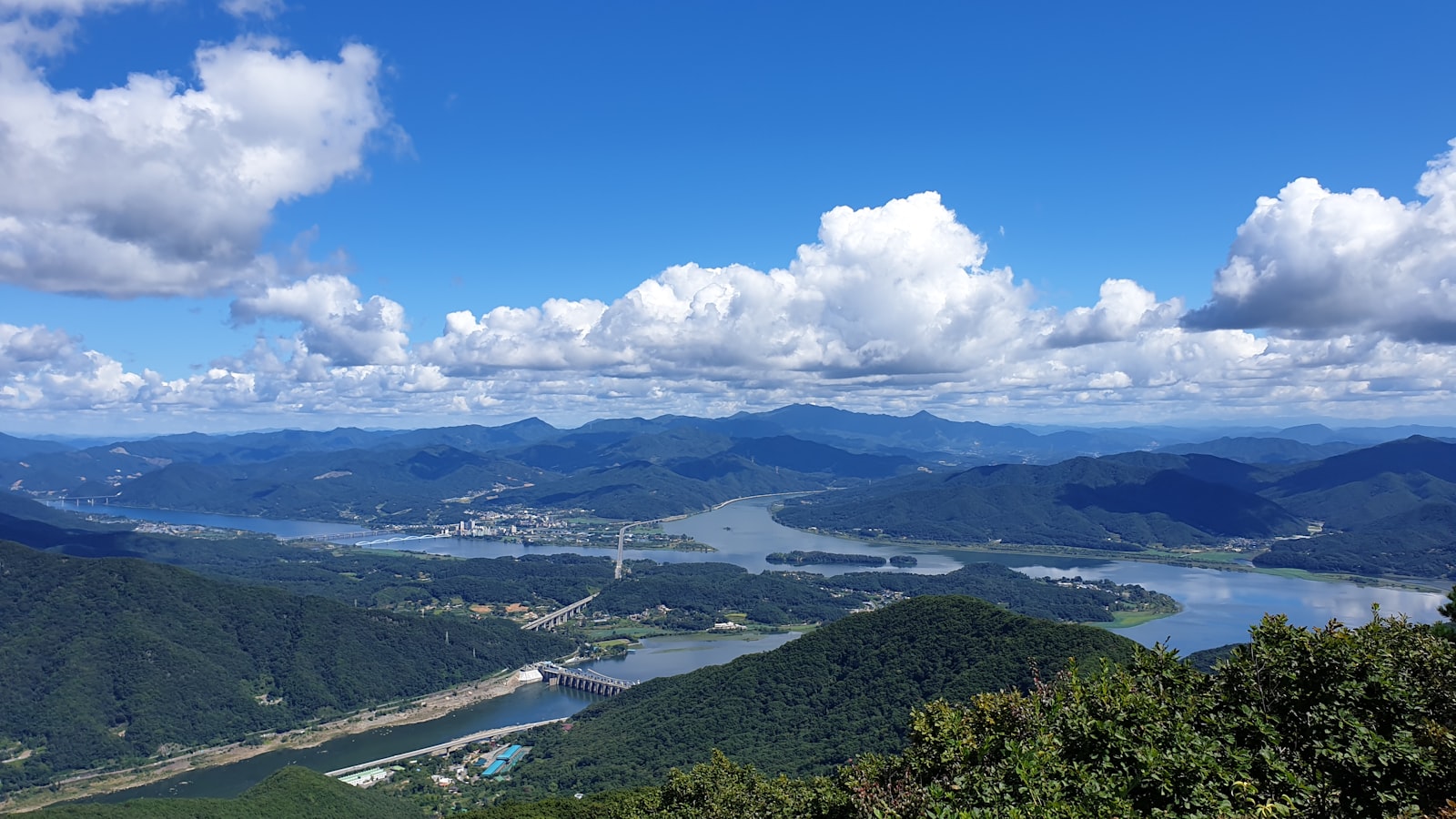
Welcome to Paju-si, a dynamic city nestled in the northern part of Gyeonggi Province, just a short drive from Seoul. Known for its blend of natural beauty, cultural heritage, and modern attractions, Paju-si offers a unique experience for every traveler. Whether you’re a history buff, food lover, or nature enthusiast, this guide will help you plan an unforgettable trip.

Why Visit Paju-si?
Paju-si is a hidden gem that balances urban convenience with serene landscapes. From the historic Gwangju Fortress to the artistic vibes of the Paju 63 Art Museum, the city’s attractions cater to diverse interests. The local food scene, featuring fresh seafood and traditional Korean dishes, adds another layer of appeal.
Best Time to Visit
The optimal period for a visit is late spring (May to June) and early autumn (September to October). During these months, the weather is mild, the scenery is lush, and festivals like the Paju International Film Festival (late September) bring vibrant cultural energy.

Top Well-Known Attractions
- Paju 63 Art Museum – A modern art hub with panoramic views of the Han River. Admission is around $10-15.
- Gwangju Fortress – A historic site offering guided tours and sunset views.
- Imjingak Park – A poignant reminder of Korea’s past, featuring the Peace Observatory.
- Paju Book City – A literary enclave with bookstores, cafes, and art installations.
- Wangsimni Waterfall – A hidden natural spot perfect for hiking and photography.
Typical Local Food Categories
- Seafood: Fresh catches like grilled mackerel and spicy seafood stew.
- Street Food: Tteokbokki, hotteok, and odeng sold by vendors along main streets.
- Traditional Korean: Bibimbap, kimchi jjigae, and bulgogi served in family‑run restaurants.
- Modern Fusion: Korean‑Mexican tacos and vegan Korean dishes reflecting global trends.
Transportation Overview
- By Car: A 30‑minute drive from Seoul via the Gyeongbu Expressway. Parking is available at most major attractions.
- By Bus: Regular intercity buses from Seoul Station to Paju-si. Buses run every 15–20 minutes.
- By Train: The Gyeongui Line offers a scenic ride, with stops at key sites like the Paju 63 Art Museum.
- By Taxi: Convenient for short trips; expect a fare of budget-friendly to mid-range depending on distance.
Where to Stay
Paju-si offers a range of accommodations to suit every budget. From boutique guesthouses to upscale hotels, you’ll find options that fit your travel style.🏨 Where to Stay in Paju-si
View All Hotels in Paju-si

Tips for a Smooth Trip
- Language: Korean is the primary language, but English signage is common in tourist areas.
- Currency: South Korean won (KRW). Credit cards are widely accepted.
- Connectivity: Free Wi‑Fi is available in most cafes and public spaces.
- Safety: Paju-si is considered safe for tourists; standard precautions apply.
Frequently Asked Questions
What is the best time to visit Paju-si?
The best time to visit Paju-si is late spring (May to June) and early autumn (September to October). The weather is mild, the scenery is vibrant, and cultural events like the Paju International Film Festival add extra excitement.
Is Paju-si safe for tourists?
Yes, Paju-si is safe for tourists. The city has a low crime rate, and local authorities maintain good public safety measures. Standard travel precautions, such as keeping valuables secure, are recommended.
How much does a day in Paju-si cost?
Daily expenses vary by choice of accommodation and dining. Budget travelers can spend around $30-50 per day, mid‑range travelers $70-120, and upscale travelers $150+.
Do I need a visa to visit Paju-si?
Most short‑term visitors from many countries can enter South Korea visa‑free for up to 90 days. Check the latest visa requirements before traveling.
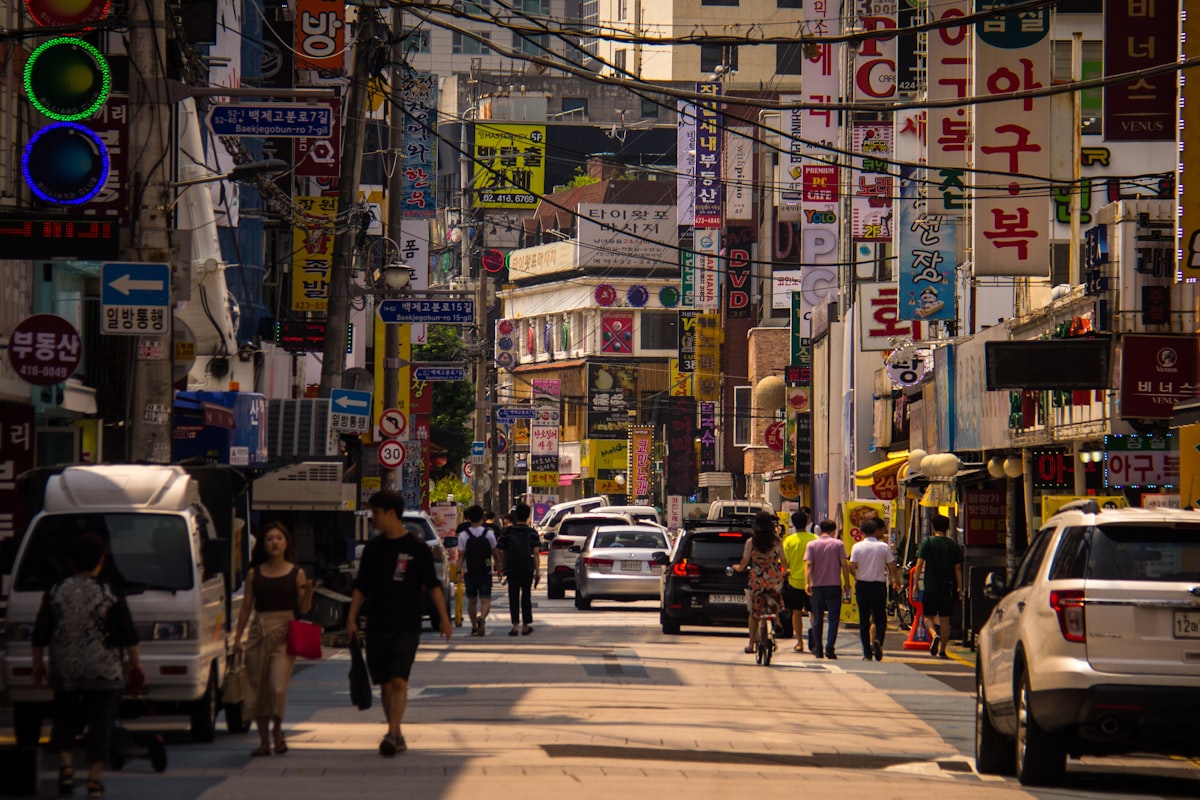
[IMAGE: famous landmark in Paju-si