Mengkendek Travel Guide 2026
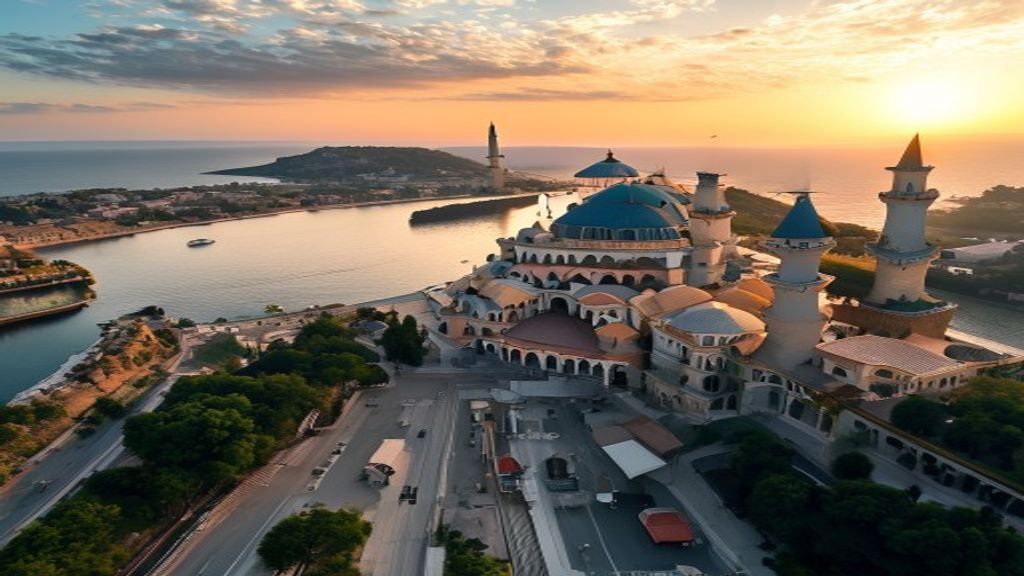
Welcome to Mengkendek, a vibrant destination where culture, history, and natural beauty converge. Whether you’re a first‑time visitor or a seasoned traveler, this guide will help you plan a memorable journey. From the best months to visit to the must‑see attractions and local flavors, we cover everything you need to know.
Is Mengkendek worth visiting?
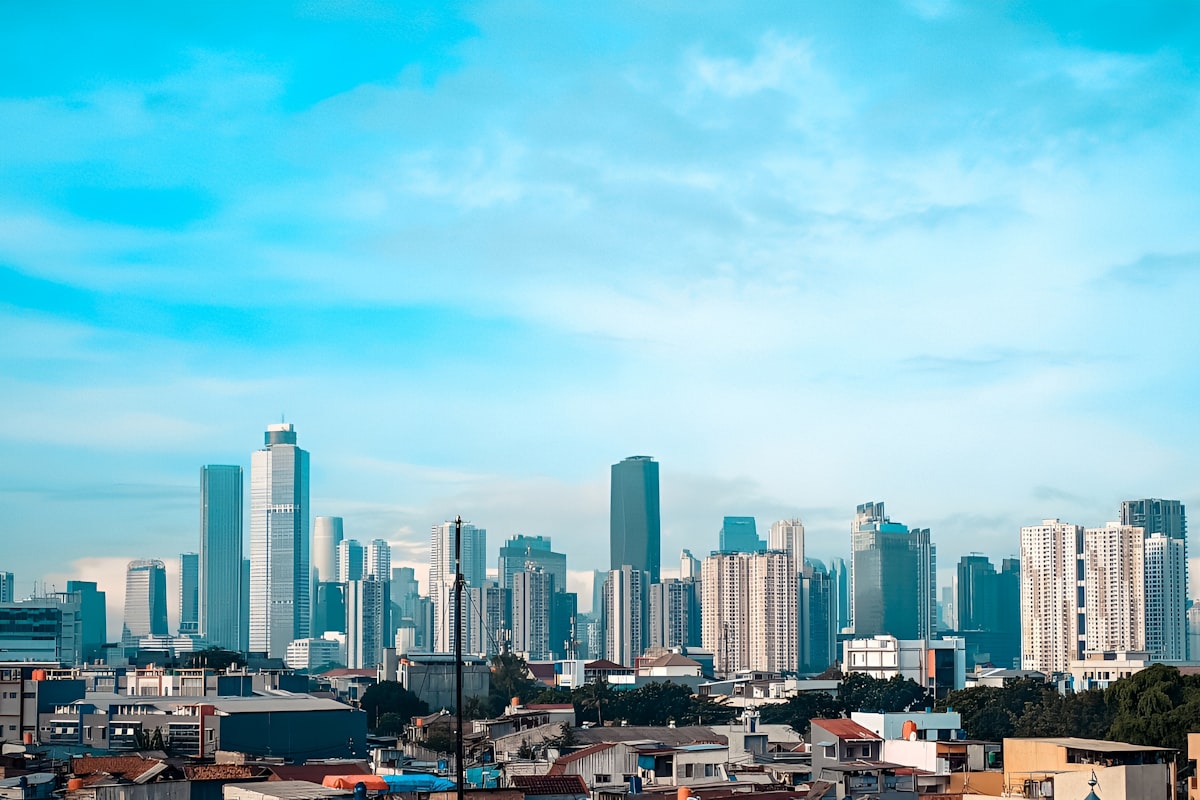
Many visitors find Mengkendek a hidden gem that offers rich cultural experiences, welcoming locals, and a relaxed atmosphere. Its blend of historic sites, natural parks, and culinary delights makes it a worthwhile stop on any Southeast Asian itinerary.
Best Time to Visit Mengkendek
Mengkendek enjoys a tropical climate with distinct wet and dry seasons. For comfortable sightseeing and outdoor activities, the dry months are ideal.
- April to June – Warm temperatures (24–30°C) and minimal rainfall.
- September to November – Cooler evenings and lower humidity.
Top Well‑Known Attractions
1. Mengkendek Historical Museum
The museum showcases artifacts from the pre‑colonial era, colonial architecture, and modern art. Guided tours highlight the city’s evolution and are available in multiple languages.
2. Riverside Promenade
Stroll along the riverbank, enjoy street performers, and dine at open‑air cafés. Sunset views here are a photographer’s dream.
3. Mount Kelapa
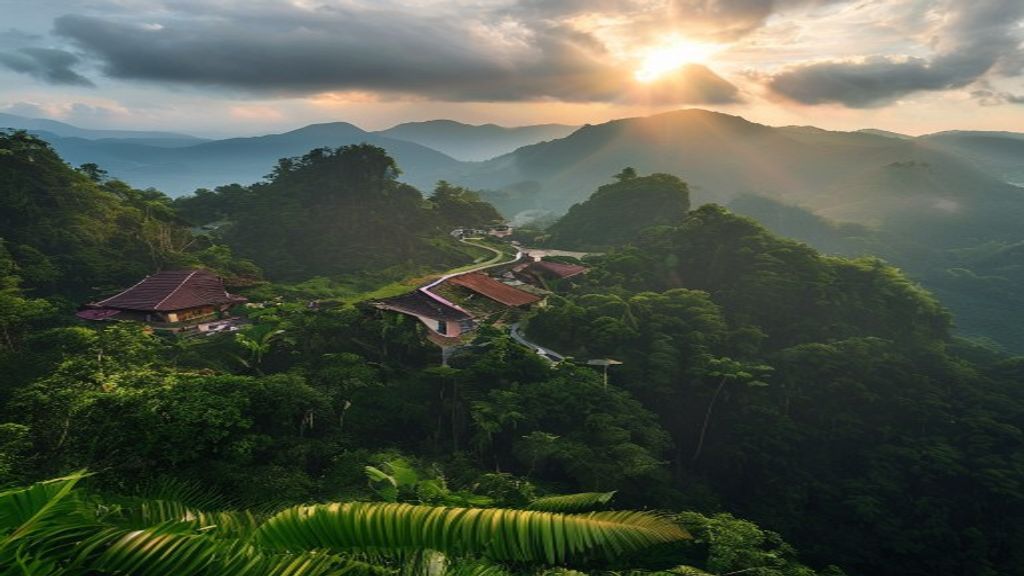
Hiking enthusiasts can tackle the moderate trail to the summit, where panoramic vistas of the city and surrounding valleys await.
4. Old Town Square
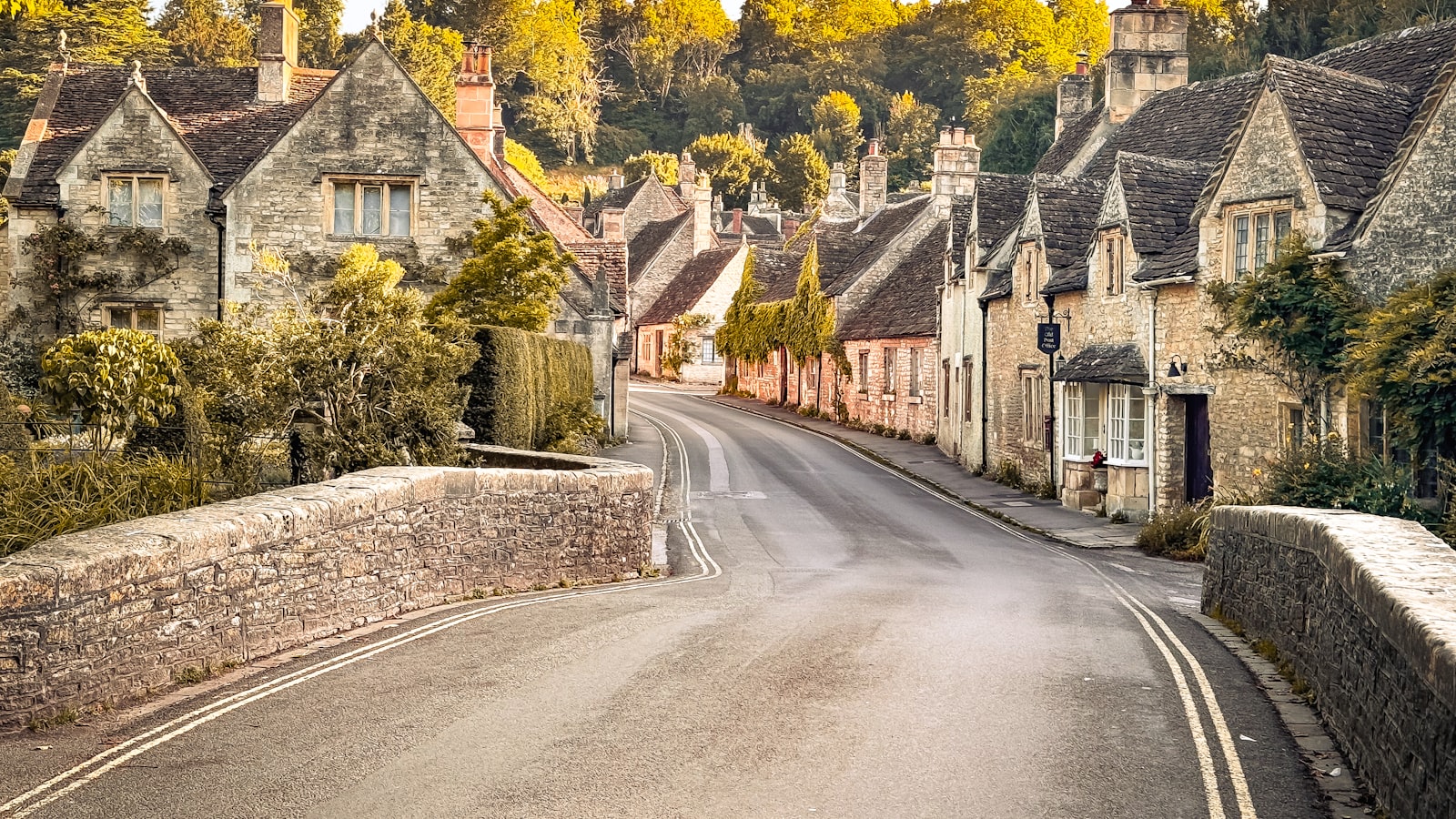
The cobblestone plaza is surrounded by colonial buildings, boutique shops, and a weekly market featuring local crafts.
5. Cultural Heritage Center
Learn about traditional music, dance, and weaving. Live performances are scheduled daily, offering an immersive cultural experience.
Typical Local Food Categories
Mengkendek’s cuisine reflects its diverse heritage. Here are key categories to explore:
- Seafood – Fresh catches grilled or stewed with aromatic herbs.
- Rice Dishes – Nasi kuning, nasi goreng, and steamed rice served with sambal.
- Street Snacks – Satay skewers, fried spring rolls, and sweet coconut desserts.
- Traditional Desserts – Kue lapis and gula melaka pastries.
Transportation Overview
Getting Here
- By Air – The nearest international airport is 45 km from Mengkendek, with frequent flights from major hubs.
- By Train – A regional rail line connects Mengkendek to neighboring cities, offering scenic routes.
- By Bus – Intercity buses arrive daily at the central terminal.
Within the City
- Public Buses – Affordable and cover most tourist spots.
- Tuk‑Tuks – Ideal for short trips; negotiate fares beforehand.
- Bike Rentals – Available at the river promenade; a great way to explore at your own pace.
Where to Stay
Mengkendek offers a range of accommodations to suit every budget. From boutique hotels to family‑run guesthouses, you’ll find comfortable options near major attractions.
- Budget‑Friendly – Hostels and guesthouses with basic amenities.
- Mid‑Range ($$) – Small hotels offering free Wi‑Fi and breakfast.
- Upscale ($$$) – Boutique hotels with spa services and river views.
Practical Tips for Travelers
- Language – Bahasa is the official language; English is understood in tourist areas.
- Currency – The local currency is the Rupiah; ATMs are plentiful.
- Safety – Mengkendek is generally safe; standard travel precautions apply.
- Health – Carry insect repellent and stay hydrated.
Frequently Asked Questions
What is the best time to visit Mengkendek?
The dry season from April to June offers pleasant weather and lower humidity, making it ideal for outdoor activities and sightseeing.
Is Mengkendek safe for tourists?
Yes, Mengkendek is considered safe for visitors. Common sense precautions, such as avoiding isolated areas at night, are sufficient.
How much does a typical day cost in Mengkendek?
A day’s budget can range from budget‑friendly to mid‑range, depending on dining, transport, and activities. Expect to spend around 50–150 USD for meals, local transport, and entrance fees.
What languages are spoken in Mengkendek?
Bahasa is the primary language, but English is widely spoken in hotels, restaurants, and tourist sites.
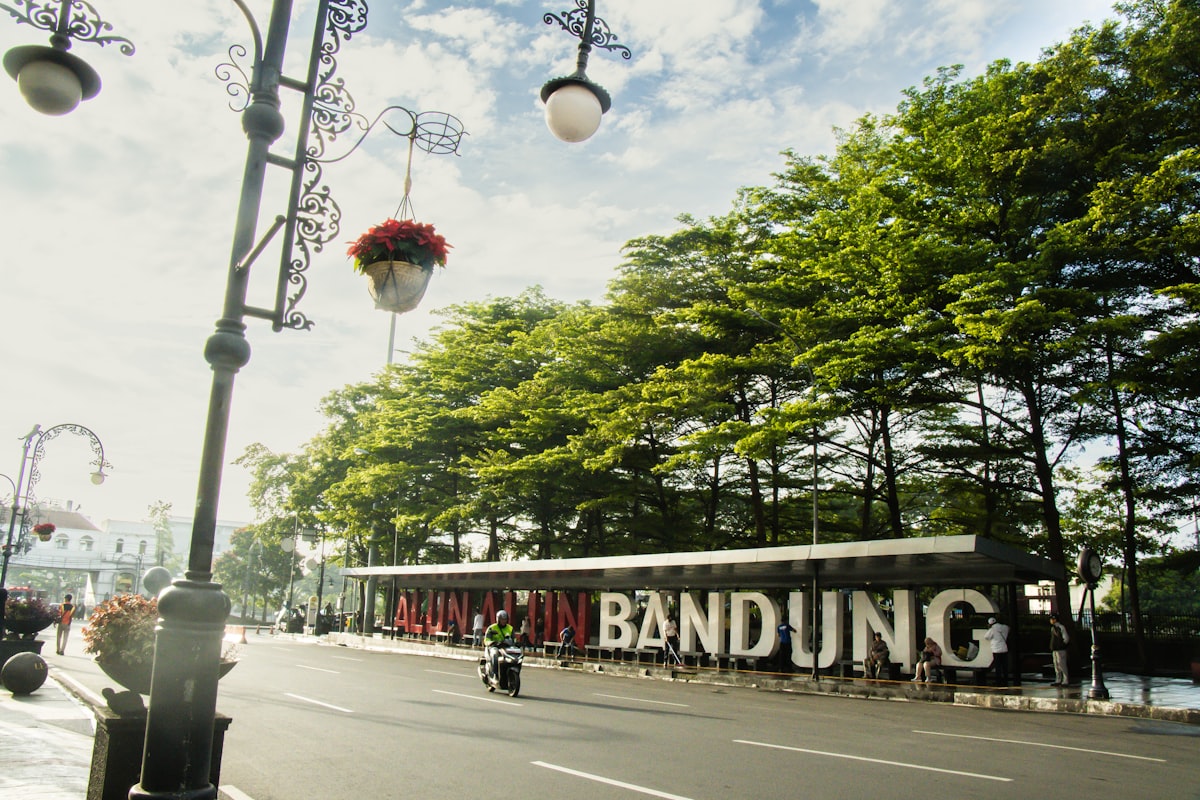
[IMAGE: famous landmark in Mengkendek