Lussac Travel Guide 2026
Welcome to Lussac, a charming French town that blends historic allure with modern comforts. Whether you’re a culture lover, foodie, or nature enthusiast, Lussac offers a rich tapestry of experiences. In this guide, we’ll walk you through the best time to visit, must-see attractions, local food categories, how to get around, and where to stay.
Why Lussac is a Must-Visit Destination
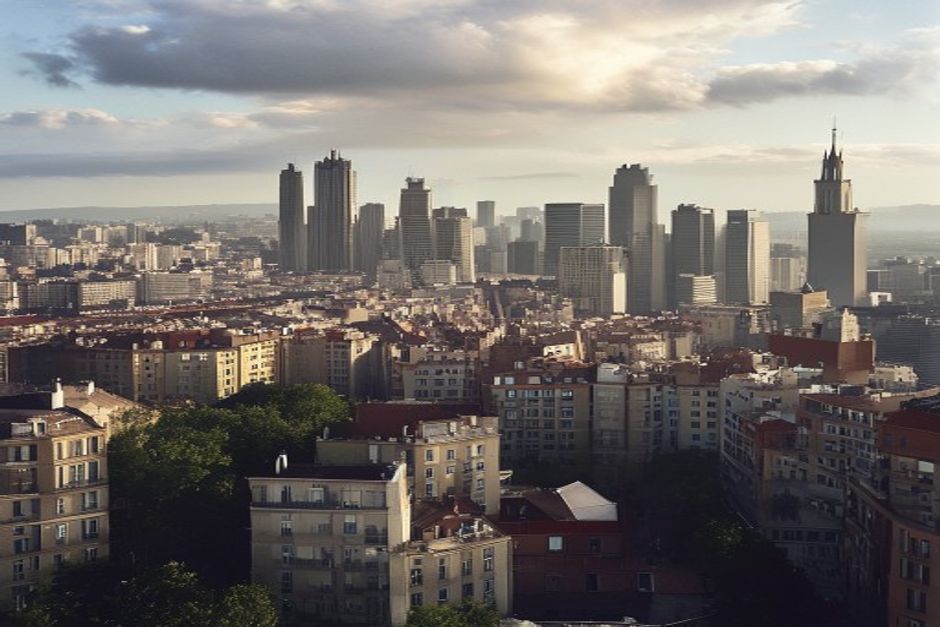
Lussac is known for its picturesque streets, vibrant markets, and proximity to the stunning Loire Valley. The town’s relaxed pace invites you to explore at your own rhythm, while its cultural heritage provides plenty of storytelling moments. Many visitors enjoy the blend of historic architecture and contemporary charm.
Is Lussac Worth Visiting?
Yes, Lussac is worth visiting. Its well-preserved medieval center, scenic river walks, and renowned culinary scene make it a delightful stop for travelers seeking authentic French experiences.
Best Time to Visit Lussac
Choosing the right season can elevate your trip. Here’s a month-by-month breakdown:
- Spring (March–May): Mild temperatures, blooming gardens, and fewer crowds. Ideal for walking tours.
- Summer (June–August): Warm weather, lively festivals, and longer daylight. Great for outdoor dining.
- Autumn (September–November): Harvest season, colorful foliage, and cozy cafés.
- Winter (December–February): Quiet streets, festive lights, and lower accommodation rates.
Top Well-Known Attractions
1. The Old Town Square
The heart of Lussac, the Old Town Square, showcases cobblestone streets, historic facades, and a central fountain. It’s a hub for street performers and local artisans.
2. Saint‑Martin Church
This 12th‑century Romanesque church features stunning stained‑glass windows and a peaceful cloister. Many visitors enjoy the quiet reflection it offers.
3. Lussac Vineyards
Just outside the town, the vineyards produce world‑class wines. Guided tours and tastings are available, giving insight into traditional French winemaking.
4. The Riverbank Promenade
A scenic walk along the river provides panoramic views of the surrounding countryside. It’s perfect for sunset strolls.
5. Local Market on Saturday
The Saturday market is a sensory feast of fresh produce, cheeses, and artisanal goods. It’s a great place to mingle with locals.
Typical Local Food Categories
Lussac’s cuisine reflects the rich culinary traditions of the Loire Valley. Here are key categories:
- Cheeses: Brie, Camembert, and regional goat cheeses.
- Wines: Sauvignon Blanc, Chenin Blanc, and sparkling rosé.
- Breads: Fresh baguettes, pain de campagne, and specialty rye.
- Meat Dishes: Cassoulet, coq au vin, and roasted duck.
- Desserts: Macarons, tarte Tatin, and fruit tarts.
Transportation Overview
Getting There
- By Air: The nearest major airport is in Tours, about 45 km away. From there, you can take a taxi or shuttle.
- By Train: Lussac is served by regional trains from Paris and Tours. The journey takes roughly 2 hours from Paris.
- By Car: Renting a car offers flexibility to explore surrounding vineyards and villages.
Getting Around in Lussac
- Walking: The town center is compact and pedestrian-friendly.
- Bicycle: Several rental shops provide bikes for short trips.
- Public Bus: Local buses connect Lussac to nearby towns.

Where to Stay
Lussac offers a range of accommodation options to suit every budget. From cozy B&Bs to upscale hotels, you’ll find something that fits your style.
- Budget-friendly: Hostels and guesthouses.
- Mid-range ($$): Charming inns with local décor.
- Upscale ($$$): Luxury hotels with spa services.
🏨 Where to Stay in Lussac
View All Hotels in Lussac


Practical Tips for Travelers
- Language: French is the official language, but many locals speak English in tourist areas.
- Currency: The Euro (€) is used. Credit cards are widely accepted.
- Safety: Lussac is a safe destination with low crime rates.
- Duration: A 3‑day stay allows you to explore the main sights and enjoy a leisurely meal.
Frequently Asked Questions
What is the best time to visit Lussac?
The best time to visit Lussac is late spring (May) and early autumn (September), when the weather is pleasant, crowds are moderate, and the scenery is at its most vibrant.
Is Lussac safe for tourists?
Yes, Lussac is generally safe for tourists. Petty crime is rare, and the town’s friendly atmosphere makes it welcoming for solo travelers and families alike.
How much does a typical day cost in Lussac?
A typical day can range from budget-friendly (€50–70) to mid-range (€70–120), depending on dining, activities, and accommodation choices.
What language is spoken in Lussac?
French is the primary language, but many locals in the hospitality sector speak English, especially in tourist hotspots.
[IMAGE: famous landmark in Lussac