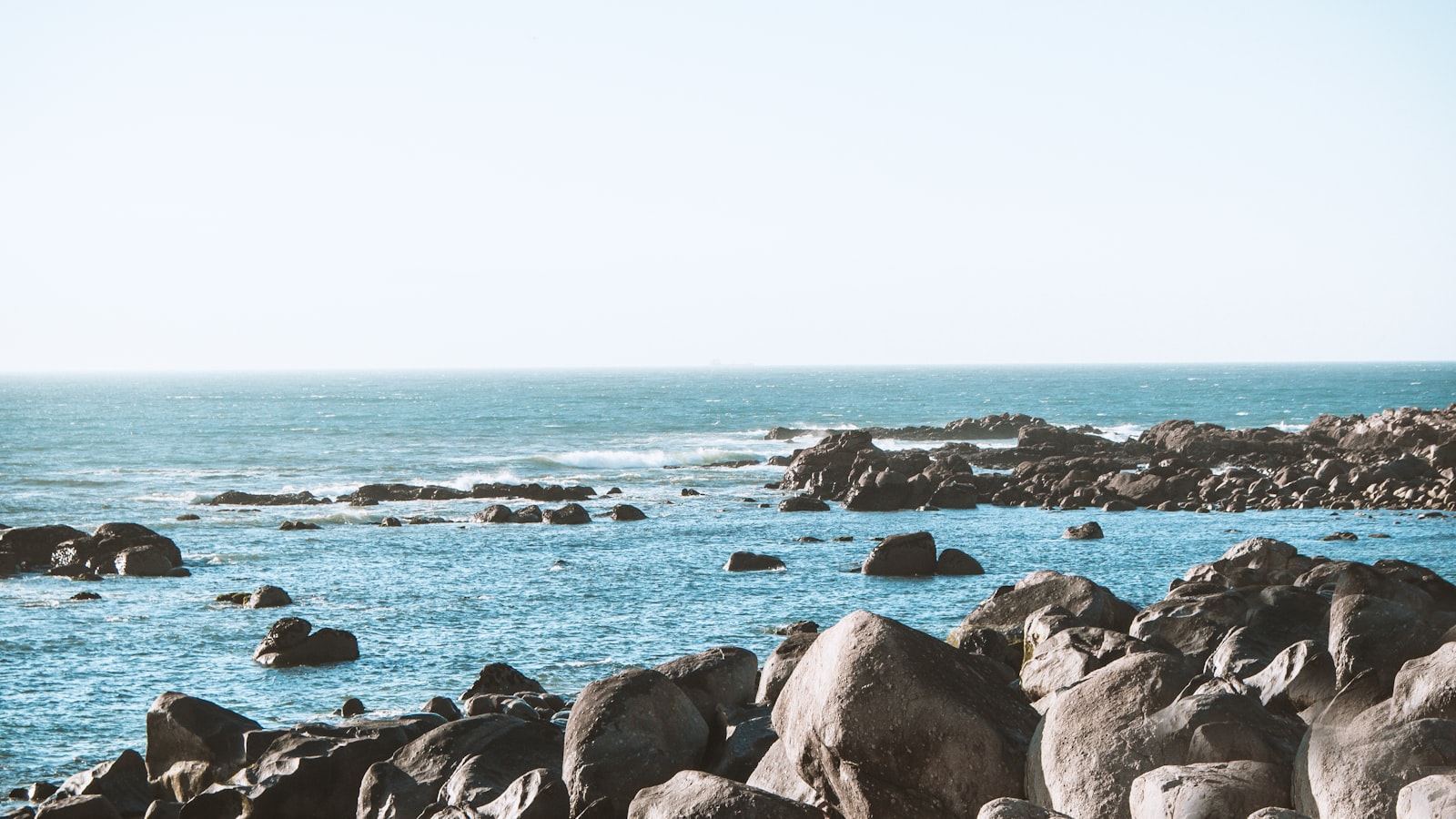
Les Sables-d'Olonne Travel Guide 2026
Les Sables-d'Olonne is a vibrant coastal town on France’s Atlantic coast, famed for its sandy beaches, sailing heritage, and lively market streets. In 2026, it remains a top destination for travelers seeking a blend of beach relaxation, cultural exploration, and culinary delight.
Is Les Sables-d'Olonne worth visiting?
Les Sables-d'Olonne offers a unique mix of natural beauty, historic charm, and modern amenities. From the iconic La Petite Côte beach to the bustling Marché du Port, the town provides memorable experiences for every type of traveler.
When to Visit Les Sables-d'Olonne
The best time to visit depends on what you want from your trip. The town enjoys a mild oceanic climate, but each season has its own appeal.
- Late spring (May–June): Warm, sunny days and fewer crowds. Ideal for beach walks and early sailing.
- Summer (July–August): Peak season with lively festivals, including the famous Les Sables‑d’Olonne sailing regatta. Expect hot, humid weather and busy streets.
- Early autumn (September–October): Pleasant temperatures, lower prices, and the chance to enjoy fresh seafood harvests.
- Winter (November–March): Cool, damp, but great for cultural visits, local markets, and budget stays.

Top Attractions in Les Sables-d'Olonne
Les Sables-d'Olonne is home to several must‑see sites that capture its maritime spirit and artistic heritage.
La Petite Côte Beach
The main beach stretches 1.5 km of golden sand, perfect for sunbathing, swimming, and windsurfing. The promenade is lined with cafés and surf shops.
Port of Les Sables-d'Olonne
The historic port hosts a lively market every Saturday, offering fresh fish, local cheeses, and regional crafts. The marina is a hub for sailing enthusiasts.
Musée d'Art Contemporain
This modern museum showcases works by regional artists and rotating international exhibitions. Admission is around €10.
La Maison des Arts
A cultural center that hosts concerts, theater, and art workshops. It’s a great spot to experience local creativity.
The Old Town (Vieux Port)
Winding streets, pastel‑colored houses, and quaint cafés create a picturesque setting. It’s ideal for leisurely strolls and photography.
Local Food Categories
Les Sables-d'Olonne’s cuisine reflects its maritime heritage and regional traditions. Here are the key categories you’ll encounter.
- Seafood: Fresh oysters, mussels, and grilled sardines are staples. Many stalls near the port serve them straight from the sea.
- Boulangerie: Traditional French bakeries offer baguettes, croissants, and regional breads.
- Cheese & Charcuterie: The local market features cheeses like Camembert and cured meats such as saucisson.
- Desserts: Look for tarte tatin, clafoutis, and local pastries.
- Beverages: Regional wines, cider, and craft beers are popular.

Transportation Overview
Getting to and around Les Sables-d'Olonne is straightforward.
By Air
The nearest major airport is Nantes‑Coëx (approx. 1.5 hours by car). From there, you can take a train or bus.
By Train
The train station in Les Sables-d'Olonne connects to Nantes, Paris, and regional hubs. Trains run frequently, especially during summer.
By Bus
Local buses serve the town and surrounding villages. The bus network is reliable and affordable.
By Car
A car gives flexibility to explore nearby coastal towns. Parking is available in the city center but can be limited during peak season.
Walking & Cycling
The town’s compact layout makes walking a pleasure. Bike rentals are plentiful along the beachfront.
Where to Stay
Accommodation in Les Sables-d'Olonne ranges from budget hostels to upscale hotels. Prices vary by season.
- Budget‑friendly: Hostels and guesthouses offer rooms starting at €30 per night.
- Mid‑range ($$): Boutique hotels and B&Bs range from €80–€150.
- Upscale ($$$): Luxury hotels and seaside resorts can exceed €200.
🏨 Where to Stay in Les Sables-d'Olonne
View All Hotels in Les Sables-d'Olonne

Practical Tips for Travelers
- Currency: The euro (€) is used. Credit cards are widely accepted.
- Language: French is the official language, but English is common in tourist areas.
- Safety: The town is generally safe. Keep an eye on personal belongings in crowded markets.
- Connectivity: Free Wi‑Fi is available in most cafés and public spaces.
- Local Etiquette: Greet with a polite "Bonjour" and use "s'il vous plaît" when ordering.
Frequently Asked Questions
What is the best time to visit Les Sables-d'Olonne?
The late spring (May–June) and early autumn (September–October) offer pleasant weather, fewer crowds, and great prices.
Is Les Sables-d'Olonne safe for tourists?
Yes, it is a safe destination with low crime rates. Standard travel precautions apply.
How much does a typical day cost in Les Sables-d'Olonne?
Expect budget‑friendly meals at €10–€15, mid‑range dining at €25–€35, and upscale options above €50. Accommodation varies as noted.
What languages are spoken in Les Sables-d'Olonne?
French is the primary language; English is widely understood in tourist zones.

[IMAGE: famous landmark in Les Sables-d'Olonne