Kokstad Travel Guide 2026
Kokstad, a charming town in KwaZulu-Natal, invites you to explore its rolling hills, vibrant culture, and warm hospitality. Whether you’re a history buff, nature lover, or foodie, Kokstad offers a unique blend of attractions that make it a must‑visit destination in 2026.

Is Kokstad worth visiting?
Kokstad is a hidden gem that delivers authentic South African experiences without the crowds. From scenic drives to local markets, the town offers a relaxed pace and friendly locals, making it a worthwhile stop on any travel itinerary.
When to Visit Kokstad
The best time to visit Kokstad is during the shoulder seasons of March to May and September to November. During these months, the weather is mild, rainfall is low, and the landscape is lush but not overly humid. Summer (December to February) can be hot and occasionally rainy, while winter (June to August) is cooler but still pleasant.
- March–May: Warm days, cooler evenings, perfect for hiking.
- September–November: Mild temperatures, blooming wildflowers.
- Avoid the peak summer months if you prefer fewer crowds.
Top Attractions in Kokstad
Kokstad’s attractions range from natural wonders to cultural landmarks. Many visitors enjoy:
- Kokstad Nature Reserve – A protected area with walking trails, birdwatching, and picnic spots.
- Kokstad Heritage Museum – Showcases the town’s colonial history and local art.
- St. Mary's Church – A historic Anglican church with beautiful stained‑glass windows.
- Kokstad Market – A bustling Saturday market where you can taste fresh produce and handmade crafts.
- Riverfront Promenade – Ideal for evening strolls along the Kokstad River.

Local Food Categories
Kokstad’s culinary scene reflects the diversity of South Africa. Typical categories include:
- Traditional South African: Braai (barbecue), potjiekos, and pap.
- African Fusion: Spiced stews, chakalaka, and peri‑peri chicken.
- International: Italian pasta, Mexican tacos, and Japanese sushi.
- Desserts: Malva pudding, koeksisters, and local pastries.
Transportation Overview
Getting around Kokstad is straightforward:
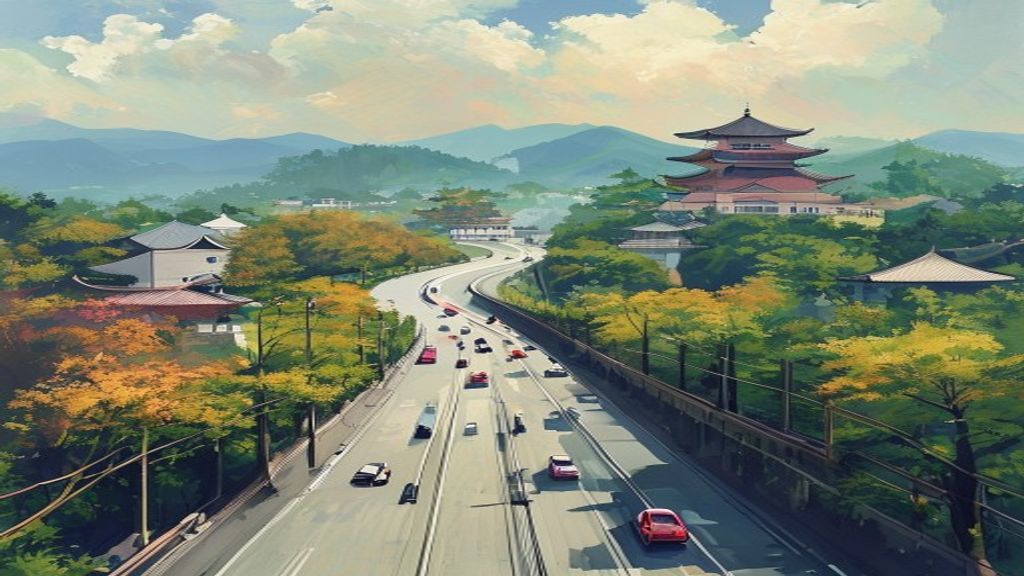
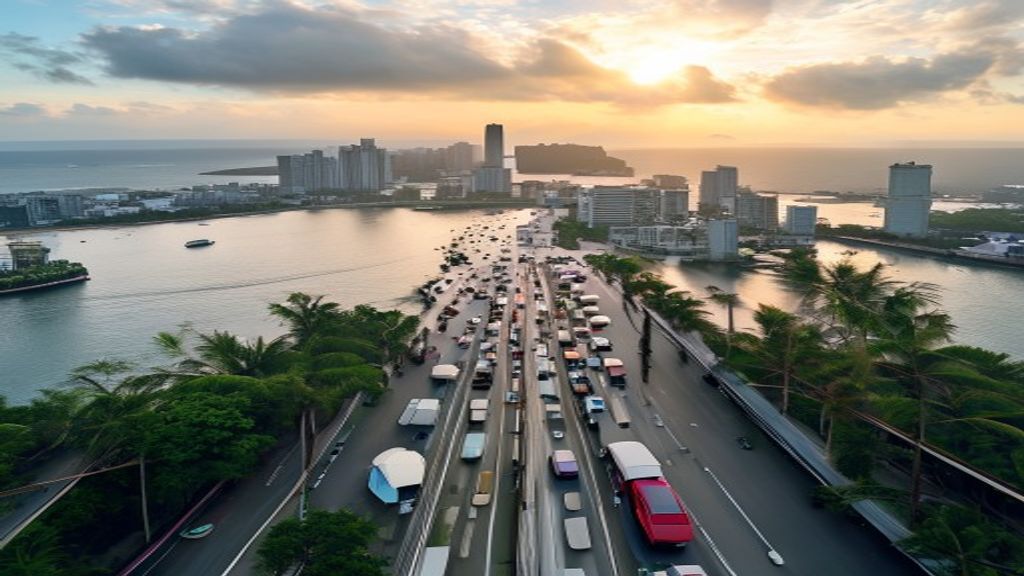
- By car: The town is accessible via the N6 and R61 highways. Renting a car offers flexibility to explore surrounding farms and nature reserves.
- Public bus: Local buses connect Kokstad to nearby towns such as Empangeni and Pietermaritzburg.
- Taxis: Available throughout the day; negotiate a flat rate before the ride.
- Walking: The town center is compact and pedestrian‑friendly.

Where to Stay
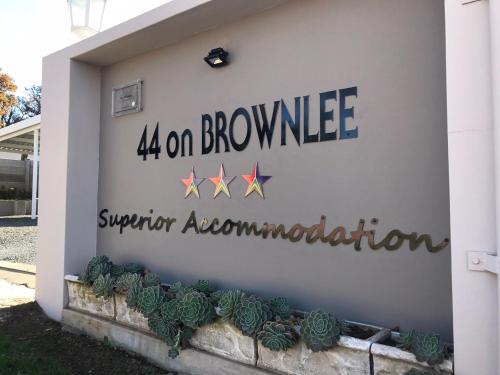
Kokstad offers accommodation for every budget. From budget‑friendly guesthouses to mid‑range hotels and upscale lodges, you’ll find a place that fits your style.
- Budget‑friendly: Guesthouses and hostels with basic amenities.
- Mid‑range ($$): Boutique hotels and serviced apartments.
- Upscale ($$$): Luxury lodges with spa services and fine dining.

Planning Your Trip
- Duration: A 3‑day stay allows you to experience the main sights, enjoy local cuisine, and relax.
- Packing: Light layers for daytime, a jacket for evenings, and comfortable walking shoes.
- Currency: South African Rand (ZAR). ATMs are available in town.
- Language: English is widely spoken; Zulu is also common.
Frequently Asked Questions
What is the best time to visit Kokstad?
The optimal months are March to May and September to November when temperatures are mild, rainfall is minimal, and the scenery is at its most vibrant. These periods also coincide with local festivals and market days.
Is Kokstad safe for tourists?
Kokstad is generally safe for travelers. As with any destination, stay alert in crowded areas, keep valuables secure, and follow local advice on transportation.
How much does a typical day cost in Kokstad?
A budget traveler can manage on 200–300 ZAR per day for food, transport, and entry fees. Mid‑range travelers might spend 500–800 ZAR, while luxury visitors can expect 1200 ZAR or more for accommodation and dining.
What languages are spoken in Kokstad?
English is the primary language for business and tourism. Zulu is widely spoken among locals, and Afrikaans is also present in some communities.