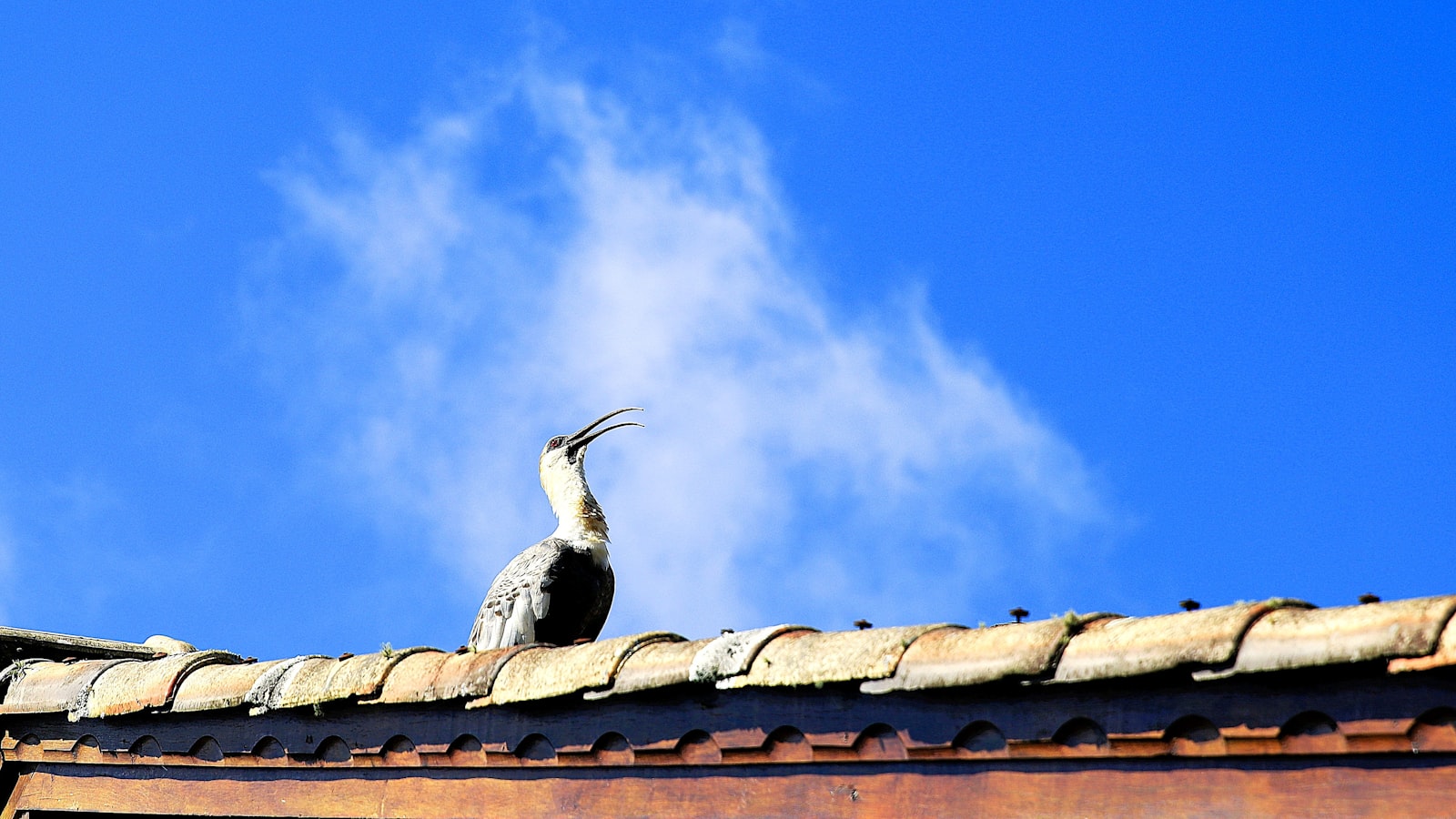
Girnare Travel Guide 2026
Welcome to Girnare, a city where history, culture, and culinary delights intertwine. Whether you’re a first‑time visitor or a seasoned traveler, this guide will help you navigate the best times to visit, top attractions, local food, transportation, and accommodation options.

Is Girnare worth visiting?
Many visitors find Girnare a hidden gem, offering a blend of ancient architecture, lively markets, and serene parks. Its welcoming atmosphere and rich heritage make it a rewarding destination for travelers seeking authentic experiences.
Best Time to Visit Girnare
The climate in Girnare is Mediterranean, with mild winters and warm summers. For the most comfortable experience:
- Spring (March to May): Temperatures range from 15‑22°C. Flowers bloom, and the city’s gardens are in full color.
- Early Autumn (September to October): Similar pleasant temperatures and lower tourist crowds.
- Summer (June to August): Warm, 25‑30°C, ideal for beach days but can be busy.
- Winter (November to February): Cooler, 8‑14°C, but still enjoyable for museum visits and indoor activities.
Top Well‑Known Attractions
1. Girnare Cathedral
A stunning example of Gothic architecture, the cathedral houses intricate stained glass and a historic bell tower. Admission is around $10‑15.
2. The Old Town Market
Vibrant stalls sell fresh produce, textiles, and local crafts. It’s a great spot to taste street food and mingle with locals.
3. National Museum of Girnare
Explore artifacts from prehistoric times to the modern era. The museum’s interactive exhibits are a hit with families.
4. Mirador Viewpoint
Panoramic views of the city and surrounding hills make this viewpoint a photographer’s dream.
5. Botanical Gardens
A tranquil oasis featuring native flora, walking paths, and a small café.
Typical Local Food Categories
- Seafood: Fresh fish, octopus, and mussels are staples, often served grilled or in stews.
- Meat: Lamb and pork dishes, especially in traditional stews and grilled skewers.
- Vegetarian: Lentil soups, vegetable tagines, and fresh salads.
- Desserts: Baklava, honey cakes, and citrus‑infused pastries.
Transportation Overview
- Airport: Girnare International Airport connects to major European hubs.
- Train: Frequent regional services link Girnare to neighboring cities.
- Bus: City buses cover all districts; a day pass is budget‑friendly.
- Taxi & Ride‑Share: Widely available; fares are reasonable and can be booked via apps.
- Bike Rental: Several stations around the city offer affordable hourly rates.

Where to Stay
🏨 Where to Stay in Girnare
View All Hotels in Girnare


Accommodation ranges from budget‑friendly hostels to upscale boutique hotels. Many travelers choose centrally located options to stay close to the Old Town and major attractions.
Practical Tips for Travelers
- Language: Spanish is predominant, but English is widely understood in tourist areas.
- Currency: The Euro is the official currency.
- Safety: Girnare is generally safe; standard precautions apply.
- Connectivity: Free Wi‑Fi is available in most cafés and public spaces.
Frequently Asked Questions
What is the best time to visit Girnare?
The most pleasant weather occurs in spring (March‑May) and early autumn (September‑October). These months offer mild temperatures, blooming gardens, and fewer crowds.
Is Girnare safe for tourists?
Yes, Girnare is considered safe. Petty crime can occur in crowded areas, so keep an eye on personal belongings and stay aware of your surroundings.
How much does a day in Girnare cost?
Expect budget‑friendly options for meals and transport. Mid‑range meals cost around $15‑25, while upscale dining can reach $50‑70 per person.
What languages are spoken in Girnare?
Spanish is the official language. English is commonly spoken in hotels, restaurants, and tourist sites.
[IMAGE: famous landmark in Girnare