Introduction
Gibraltar, the British Overseas Territory perched on the southern tip of the Iberian Peninsula, offers a unique blend of Mediterranean charm and British heritage. In 2026, it remains a top destination for travelers seeking history, culture, and natural beauty. Many visitors enjoy its mild climate, friendly locals, and the iconic Rock of Gibraltar.
Is Gibraltar worth visiting?
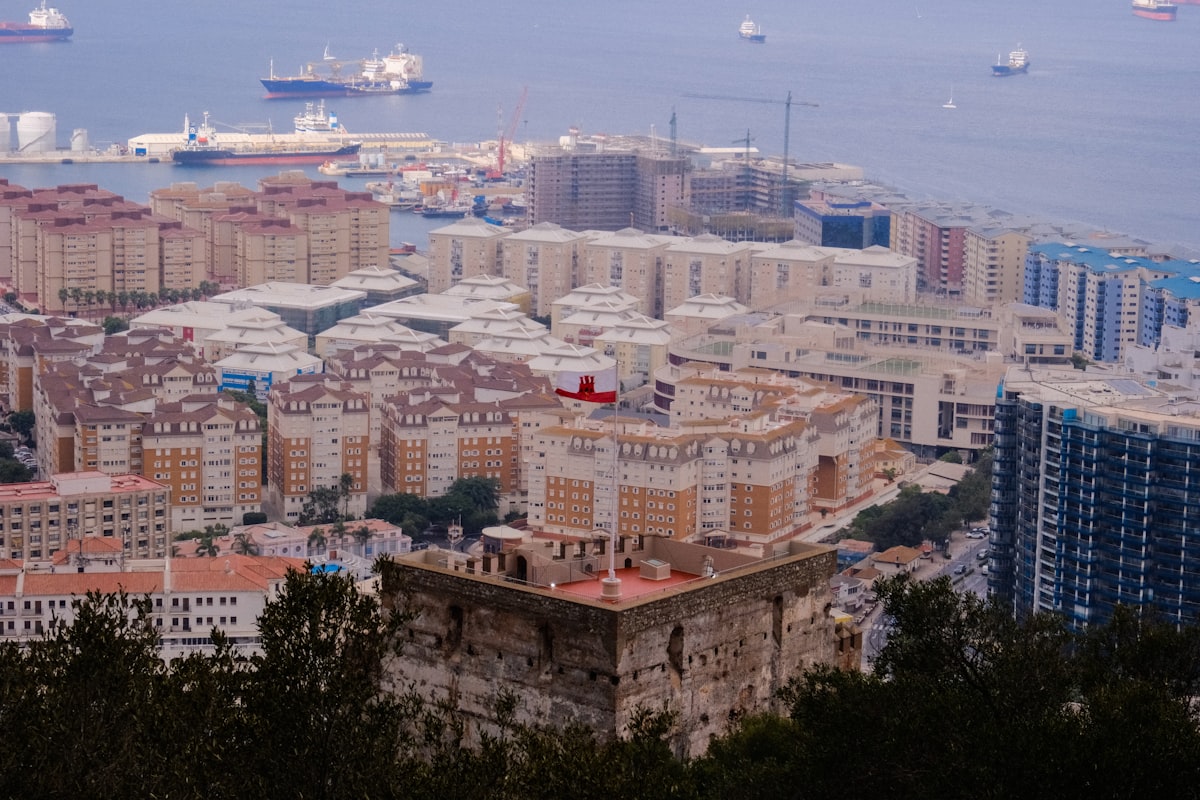
Gibraltar is a compact yet vibrant destination where history, nature, and culture converge. Its strategic location, famous landmarks, and welcoming atmosphere make it a worthwhile stop for any traveler.
Best Time to Visit Gibraltar
Choosing the right season can enhance your experience. Gibraltar enjoys a Mediterranean climate, but each month offers distinct advantages.
- May to June: Warm, sunny days and lower crowds. Ideal for hiking the Rock and exploring the Old Town.
- September to October: Pleasant temperatures, fewer tourists, and vibrant local festivals.
- July to August: Peak season; expect hot weather and larger crowds, but lively nightlife.
- November to March: Cooler, occasional rain, but perfect for museum visits and budget travelers.
Weather Snapshot
- Average highs: 20°C (68°F) in spring, 27°C (81°F) in summer, 16°C (61°F) in winter.
- Rainfall: Mild in spring and autumn; drier in summer.
Top Well-Known Attractions
Gibraltar’s attractions range from natural wonders to historic sites.The Rock of Gibraltar
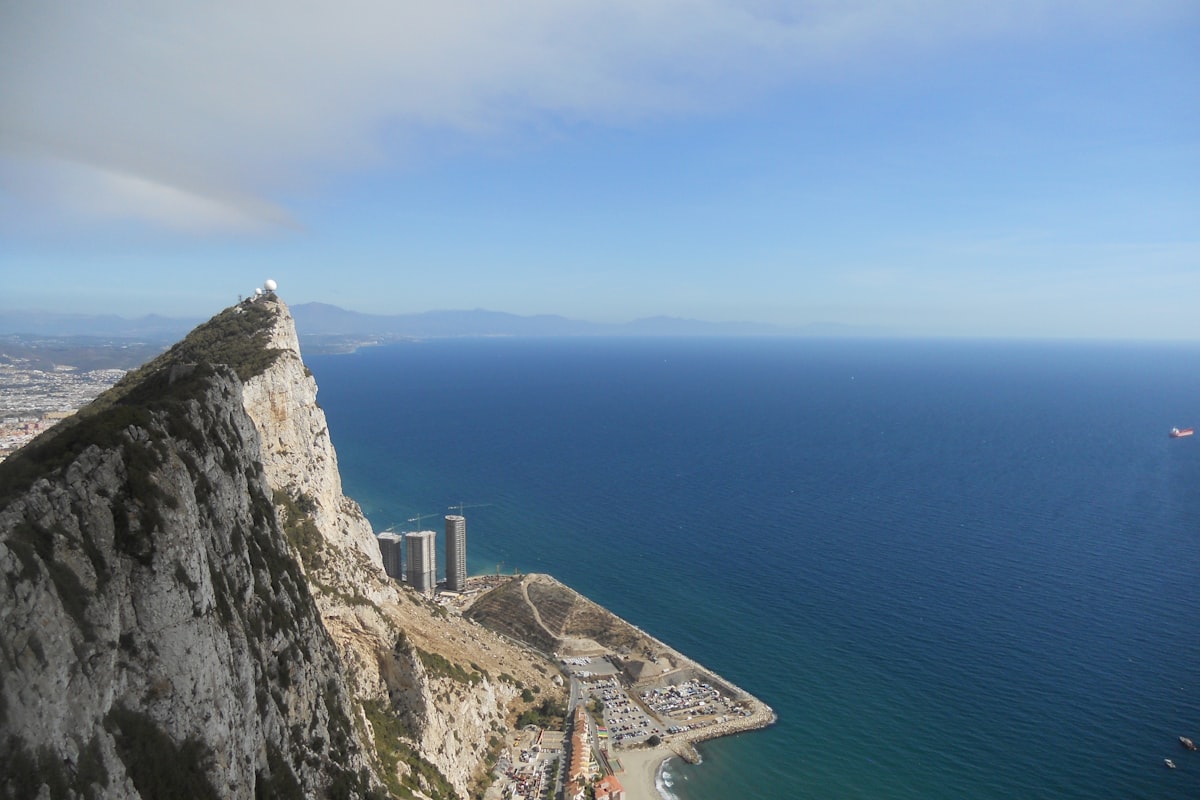
The centerpiece of the territory, the Rock offers panoramic views, the famous Barbary macaques, and the Europa Point lighthouse.
St. Michael’s Cave
A limestone cavern with stalactites and stalagmites, illuminated by colorful lights.
Moorish Castle
Ruins that hint at Gibraltar’s Moorish past, located near the Old Town.
Gibraltar Botanic Gardens
Home to over 1,000 plant species, a tranquil spot for nature lovers.
Gibraltar Museum
Showcases the territory’s history, from Roman times to World War II.
Europa Point
The southernmost point of Europe, featuring the lighthouse and a peaceful promenade.
Typical Local Food Categories
Gibraltarian cuisine reflects its Spanish, British, and North African influences.
- Seafood: Fresh fish, prawns, and the renowned Gibraltarian tapas.
- Meat: Lamb, beef, and the popular chorizo.
- Vegetarian: Couscous, salads, and fava bean dishes.
- Desserts: Alfajores and turrón.
- Drinks: Local wines, pintxo cocktails, and the traditional Gibraltar gin.
Transportation Overview
Getting around Gibraltar is straightforward due to its small size.
- Walking: The best way to explore the Old Town and the Rock’s base.
- Buses: A reliable network connects the city with the airport and surrounding areas.
- Taxis: Readily available; fares are reasonable.
- Car Rental: Possible but not necessary; parking can be limited.
- Airport: Gibraltar Airport (GIB) offers flights to the UK, Spain, and other European cities.
Accommodation Tips
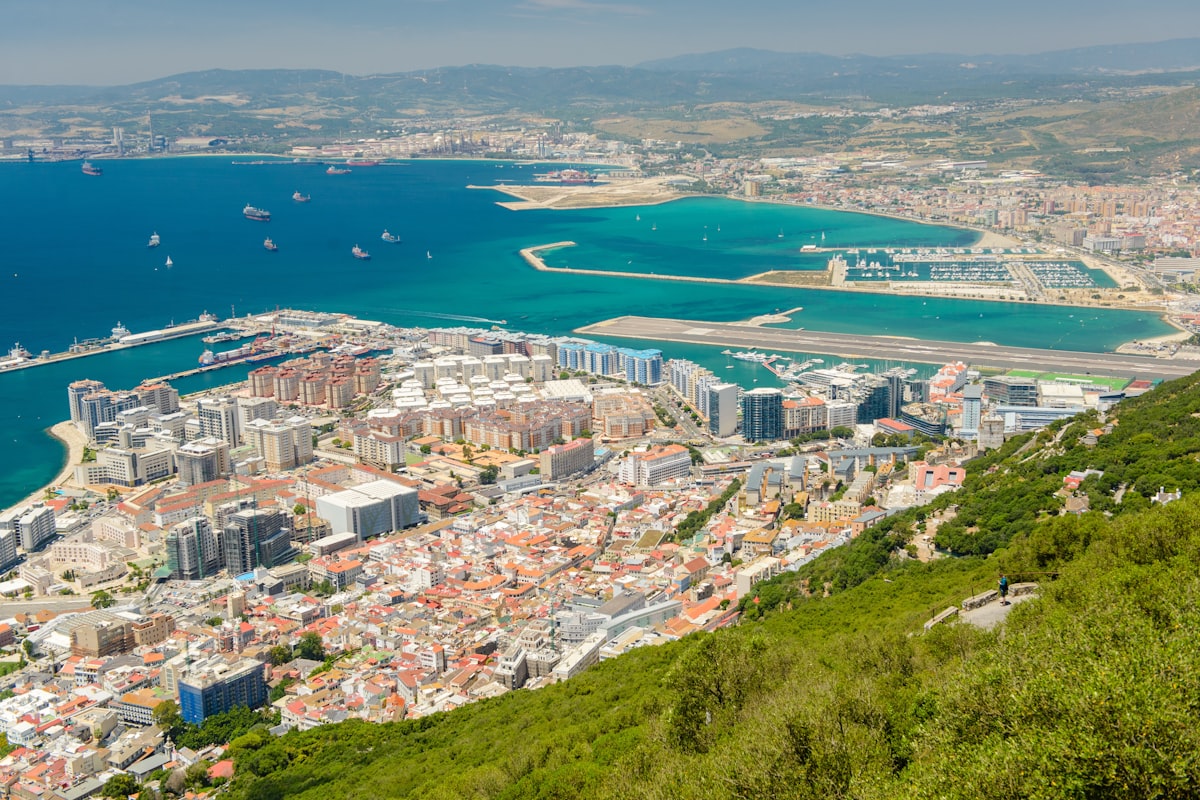
Gibraltar offers a range of lodging options to suit every budget.
- Budget-friendly: Hostels and guesthouses near the Old Town.
- Mid-range ($$): Boutique hotels with sea views.
- Upscale ($$$): Luxury hotels on the Rock’s slopes.
Where to Stay
🏨 Where to Stay in Gibraltar
View All Hotels in Gibraltar
Practical Tips for Travelers
- Currency: The Gibraltar pound (GIP) is pegged to the British pound.
- Language: English is official; Spanish is widely spoken.
- Safety: Gibraltar is very safe; standard precautions apply.
- Connectivity: Free Wi-Fi is common in cafés and hotels.
- Time Zone: GMT (UTC+0) year-round.
Frequently Asked Questions
What is the best time to visit Gibraltar?
The best months are May to June and September to October, when temperatures are comfortable, crowds are thinner, and outdoor activities are at their peak.
Is Gibraltar safe for tourists?
Yes, Gibraltar is considered very safe. Petty crime is rare, and the local police presence is strong. Standard travel precautions apply.
How much does a typical day in Gibraltar cost?
A typical day can range from budget-friendly to mid-range. Expect to spend around £20-£40 on meals, £10-£15 for attractions, and £5-£10 for transport.
What language do people speak in Gibraltar?
English is the official language, and Spanish is widely spoken. Many locals are bilingual, making communication easy for visitors.