Dongfang Travel Guide 2026
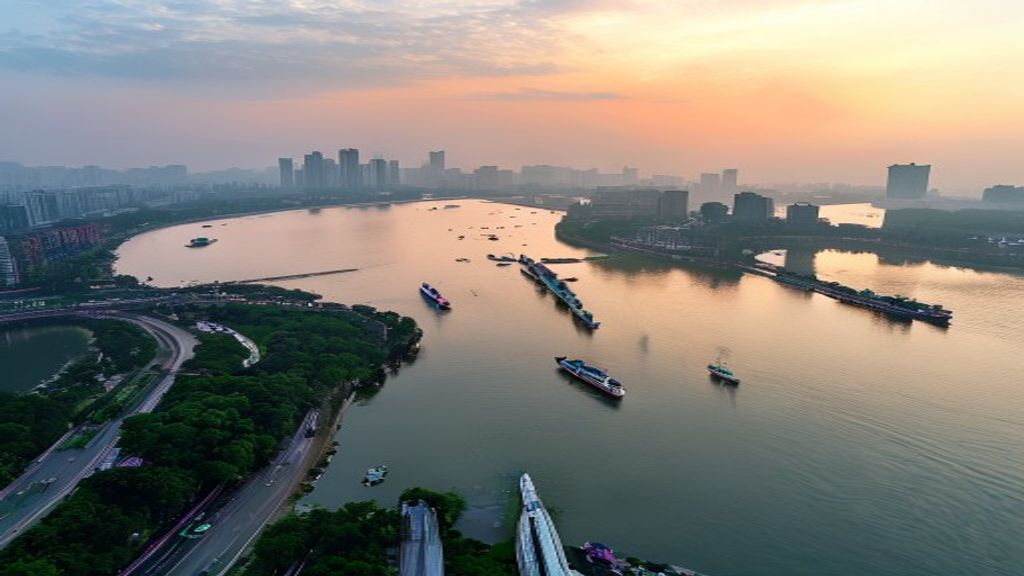
Dongfang, a vibrant city known for its rich cultural heritage and modern charm, welcomes travelers year‑round. In 2026, the city’s climate, festivals, and tourist flow make it an ideal destination for those seeking a blend of history, nature, and culinary delights.
Is Dongfang worth visiting?
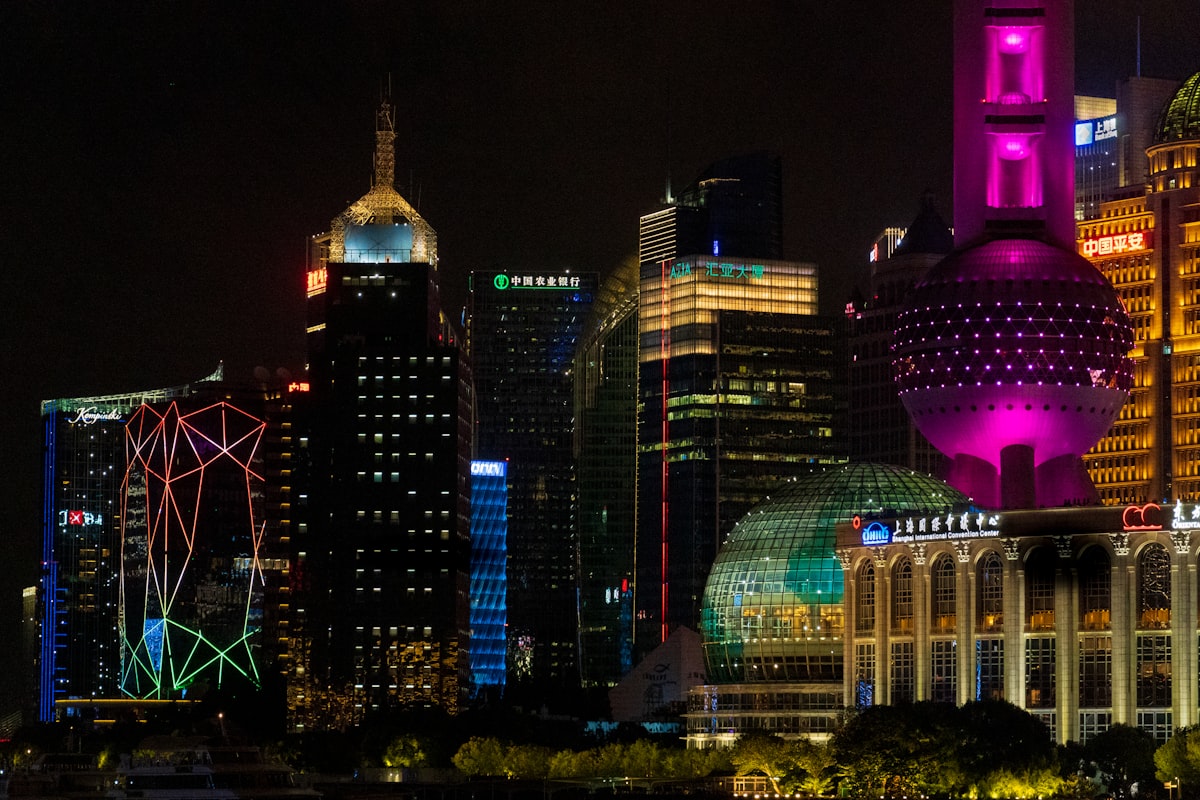
Dongfang offers a unique mix of ancient architecture, lush parks, and a thriving food scene. Whether you’re a history buff, nature lover, or foodie, the city’s attractions and welcoming atmosphere make it a must‑visit destination.
Best Time to Visit
Choosing the right season can transform your experience. Here’s a concise guide:
- Spring (March–May): Mild temperatures (15–22°C), blooming gardens, and the famous Lantern Festival.
- Summer (June–August): Warm (23–30°C), perfect for river cruises and outdoor markets. Expect occasional rain showers.
- Autumn (September–November): Cooler (18–24°C), clear skies, and the Harvest Festival.
- Winter (December–February): Cold (5–12°C), ideal for indoor museums and hot tea cafés.
Top Well‑Known Attractions
Dongfang’s landmarks showcase its historical depth and natural beauty:
- Dongfang Ancient City Wall – A preserved 12th‑century fortification offering panoramic views.
- Riverfront Park – A sprawling green space with walking paths, lotus ponds, and seasonal flower displays.
- National Museum of Dongfang – Houses artifacts from the region’s earliest dynasties.
- Lantern Plaza – Central square where the Lantern Festival lights up the night.
- Mountain View Temple – A serene Buddhist site perched on a hill, accessible via a scenic cable car.

Typical Local Food Categories
Dongfang’s culinary scene reflects its cultural tapestry. Explore these categories:
- River Seafood – Fresh fish, crabs, and shrimp cooked in soy‑based sauces.
- Stir‑Fry Delights – Quick, flavorful dishes featuring local vegetables and meats.
- Street Snacks – Skewered meats, fried dough, and sweet rice cakes sold by vendors.
- Tea Houses – Traditional tea rooms offering jasmine, oolong, and local herbal blends.
- Desserts – Sweet pastries, fruit jellies, and sesame balls.
Transportation Overview
Getting around Dongfang is convenient and affordable:
- Public Bus Network – Covers city center and suburbs with frequent schedules.
- Metro Line 1 – Connects major districts; stations are wheelchair accessible.
- Taxi Services – Reliable, metered fares; app‑based booking available.
- Bike Share – Eco‑friendly option for short trips; stations located near parks and museums.
- Airport Shuttle – Direct link to Dongfang International Airport, 30 minutes from the city center.
Where to Stay
Dongfang offers a range of accommodations to suit every budget:
- Budget‑Friendly – Hostels and guesthouses with basic amenities.
- Mid‑Range ($$) – Boutique hotels and serviced apartments.
- Upscale ($$$) – Luxury hotels with spa services and panoramic city views.
🏨 Where to Stay in Dongfang
View All Hotels in Dongfang
Practical Tips for Travelers
- Language: Mandarin is predominant; English signage is common in tourist areas.
- Currency: Dongfang uses the local currency; ATMs are widely available.
- Safety: The city is generally safe; standard travel precautions apply.
- Connectivity: Free Wi‑Fi in major hotels and public spaces.
- Cultural Etiquette: Respect local customs, especially at temples and during festivals.
Frequently Asked Questions
What is the best time to visit Dongfang?
The most pleasant months are April to June and September to October, when temperatures are mild and festivals abound.
Is Dongfang safe for tourists?
Dongfang is considered safe for travelers. Petty crime is rare, and local authorities maintain a strong presence in tourist areas.
How much does a typical day in Dongfang cost?
Daily expenses vary: budget travelers spend around $30–$50, mid‑range around $70–$120, and upscale stays exceed $150.
What languages are commonly spoken in Dongfang?
Mandarin is the official language; English is understood in hotels, malls, and major attractions.