Da Hinggan Ling Travel Guide 2026
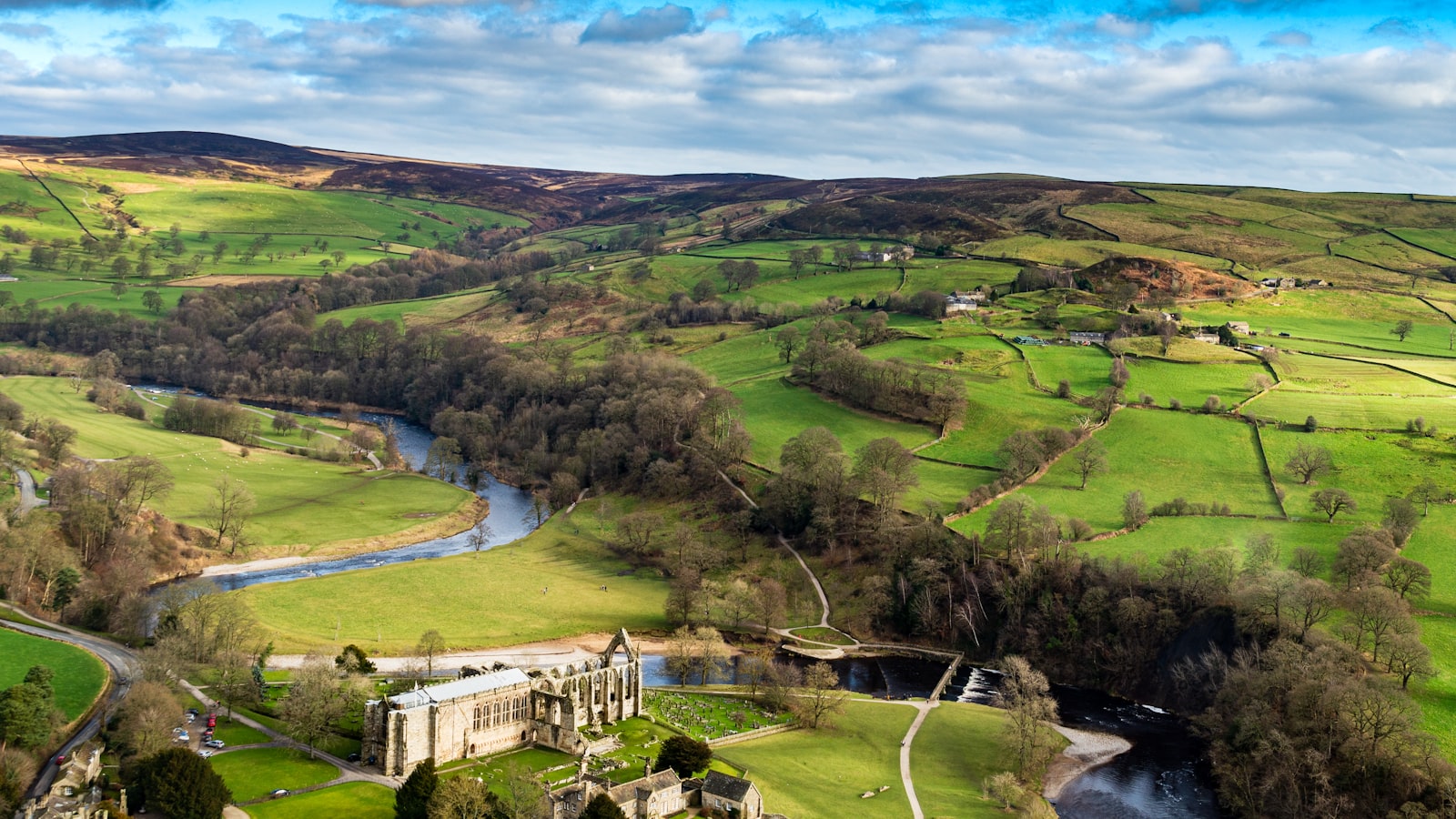
Welcome to Da Hinggan Ling, a hidden gem in northeastern China that blends natural beauty with rich cultural heritage. Whether you’re a nature lover, history buff, or foodie, this city offers a unique experience that will stay with you long after you leave.
Is Da Hinggan Ling worth visiting?
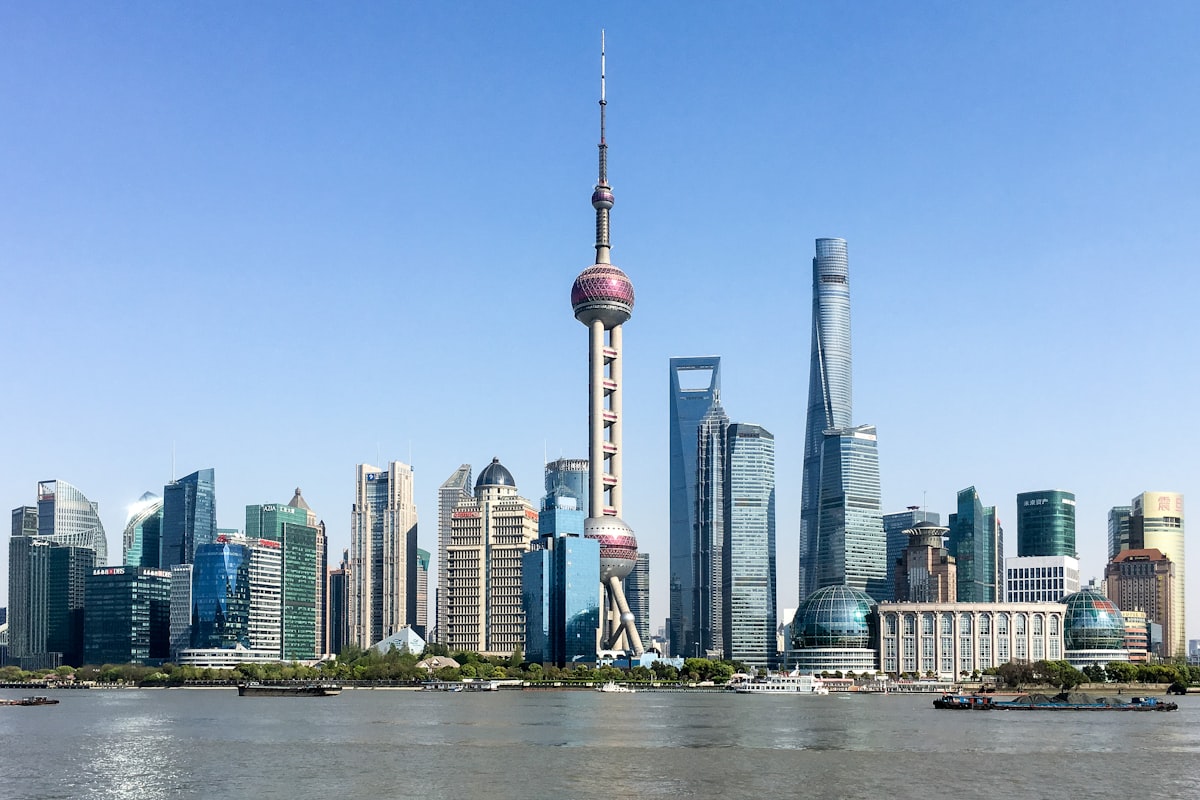
Da Hinggan Ling is worth visiting for its dramatic landscapes, vibrant local culture, and friendly atmosphere. The city’s blend of modern amenities and traditional charm makes it a compelling destination for travelers seeking both adventure and relaxation.
Best Time to Visit
The climate in Da Hinggan Ling varies dramatically across seasons. For most visitors, the ideal window is late spring to early autumn.
- May to June: Mild temperatures (15–22°C), blooming flora, and fewer crowds.
- September to October: Crisp air, colorful foliage, and harvest festivals.
Top Well‑Known Attractions
Da Hinggan Ling boasts several iconic sites that capture its natural and cultural essence.
1. Da Hinggan National Forest Park
A sprawling green expanse featuring towering pine forests, crystal lakes, and scenic hiking trails. The park is a haven for birdwatchers and photographers.
2. The Great Wall Segment at Da Hinggan
A preserved stretch of the Great Wall offers panoramic views and a tangible link to China’s storied past.
3. Cultural Museum of Da Hinggan
Showcasing local history, art, and traditional crafts, this museum provides insight into the region’s ethnic diversity.
4. Old Town Square
A bustling hub where historic architecture meets modern street markets, perfect for sampling street food and buying souvenirs.
Typical Local Food Categories
Da Hinggan Ling’s cuisine reflects its ethnic mosaic, with influences from Manchu, Mongolian, and Han traditions.
- Grilled Meat: Tender lamb skewers seasoned with local herbs.
- Noodle Dishes: Thick wheat noodles served in hearty broths.
- Stews & Soups: Hearty lamb or beef stews perfect for cooler evenings.
- Baked Goods: Traditional rye breads and pastries.
- Local Delicacies: Fermented dairy products and smoked fish.
Transportation Overview
Getting to and around Da Hinggan Ling is straightforward.
- By Air: The nearest airport is Da Hinggan Ling International, offering connections to Beijing and Harbin.
- By Train: A high‑speed rail line links the city to major hubs; local trains are frequent.
- By Road: Buses and taxis operate throughout the city; car rentals are available for day trips.
- Within the City: A reliable bus network and a growing bike‑share program make exploring neighborhoods easy.
Where to Stay
Accommodation options cater to every budget and preference. From boutique hotels to cozy guesthouses, there’s something for everyone.
- Budget‑Friendly: Hostels and guesthouses with basic amenities.
- Mid‑Range ($$): Comfortable hotels offering free Wi‑Fi and breakfast.
- Upscale ($$$): Luxury hotels with spa services and panoramic city views.
🏨 Where to Stay in Da Hinggan Ling
View All Hotels in Da Hinggan Ling
Practical Tips for Travelers
- Language: Mandarin is the official language; many locals also speak local dialects.
- Currency: The Renminbi (RMB) is used; ATMs are widely available.
- Connectivity: Free Wi‑Fi is common in hotels and cafés.
- Safety: Da Hinggan Ling is generally safe; standard travel precautions apply.
- Cultural Etiquette: Respect local customs, especially during festivals.
Frequently Asked Questions
What is the best time to visit Da Hinggan Ling?
The best time to visit is from May to June and September to October. These periods offer mild weather, vibrant scenery, and lively cultural events.
Is Da Hinggan Ling safe for tourists?
Yes, Da Hinggan Ling is considered safe for tourists. The city has a low crime rate, and local authorities maintain a welcoming environment for visitors.
How much does a typical day cost in Da Hinggan Ling?
Daily expenses vary: budget travelers can manage on ¥200–¥300, mid‑range travelers on ¥400–¥600, and upscale travelers on ¥800 and above.
What languages are commonly spoken?
Mandarin is the primary language. English is spoken in tourist areas, and local dialects are common in rural regions.
[IMAGE: traditional food from China