Welcome to Chobe
Chobe is a vibrant Botswana destination known for its wildlife, riverfront charm, and friendly locals. In 2026, travelers are drawn to its clear skies, abundant game, and cultural festivals. Many visitors enjoy a mix of safari and city exploration, making Chobe a perfect blend of nature and urban life.
Best Time to Visit Chobe
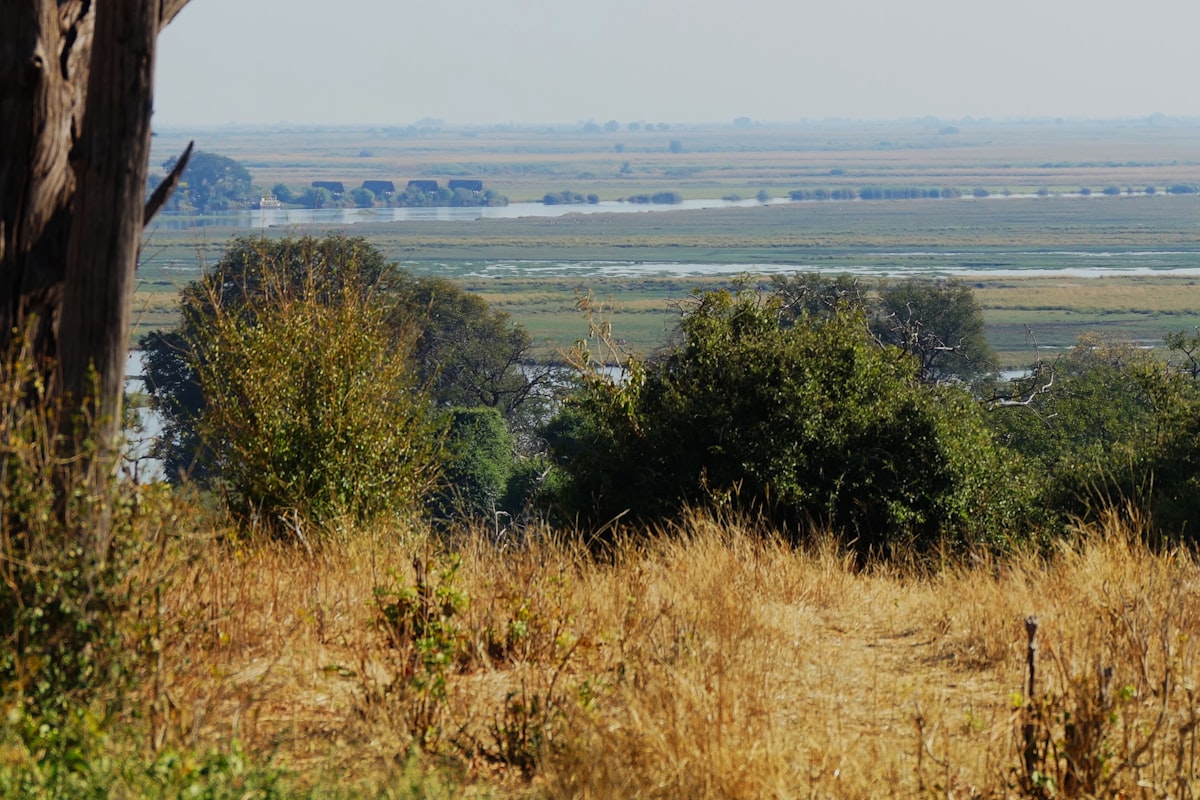
The ideal months for a Chobe adventure are May to September. During this dry season, wildlife congregates along the Chobe River, offering spectacular sightings. The temperatures are mild, ranging from 20°C to 30°C, and the skies are often cloudless.
Peak Season
- June–July: Highest wildlife concentration.
- July–August: Cooler evenings, ideal for river cruises.
Shoulder Season
- May: Early rains bring lush scenery.
- September: Transition to dry, still good for game viewing.
Top Attractions
Chobe National Park
A must‑visit, the park covers 2,700 km² and hosts over 200 mammal species. Popular activities include game drives, river cruises, and guided walks.
Chobe Riverfront
Stroll along the river, watch hippos sunbathe, and enjoy sunset views. The riverfront is lined with cafés and craft stalls.
Cultural Sites
- Chobe Museum: Showcases local history and art.
- Traditional Market: Browse handmade textiles and fresh produce.
Typical Local Food
Botswana cuisine in Chobe offers hearty, flavorful dishes. You’ll find:
- Mokgoni (grilled meat with local spices)
- Pap and Chakalaka (cornmeal with spicy relish)
- Seswaa (slow‑cooked beef or goat)
- Local Bakery: Fresh bread and pastries near the main square.
Transportation Overview
- By Air: Chobe Airport connects to Gaborone and Johannesburg.
- By Road: Buses and taxis link Chobe to neighboring towns.
- River Tours: Boat trips on the Chobe River are the best way to see wildlife.
- Local Transit: Shared minivans and tuk‑tuks are common for short distances.
Where to Stay
Chobe offers a range of accommodations:- Budget‑friendly: Guesthouses and hostels near the town center.
- Mid‑range ($$): Boutique hotels with river views.
- Upscale ($$$): Luxury lodges in the outskirts, many with private safari options.
Practical Tips
- Currency: Botswana Pula (BWP) is the local currency.
- Language: Setswana and English are widely spoken.
- Safety: Chobe is generally safe; standard travel precautions apply.
- Health: Carry mosquito repellent and stay hydrated.
Frequently Asked Questions
What is the best time to visit Chobe?
The dry season from May to September offers the best wildlife viewing and comfortable temperatures. Peak wildlife activity occurs in June and July.
Is Chobe safe for tourists?
Chobe is considered safe for travelers. Common sense precautions—avoiding isolated areas at night and securing valuables—ensure a worry‑free visit.
How much does a day in Chobe cost?
Daily expenses vary: budget travelers spend around $50–$80, mid‑range $80–$150, and upscale $150+ for lodging, meals, and activities.
What language do locals speak?
Setswana is the national language, but English is widely understood, especially in tourist areas.

[IMAGE: famous landmark in Chobe