Welcome to Chizhou
Chizhou, a hidden gem in Anhui Province, offers a blend of natural beauty, historic sites, and vibrant local culture. Whether you’re a nature lover, history buff, or foodie, Chizhou has something to captivate you. In this guide, we’ll walk you through the best time to visit, top attractions, local food categories, how to get around, and where to stay.
When to Visit Chizhou
The city enjoys a temperate climate with distinct seasons. The most pleasant months for sightseeing and outdoor activities are April to June and September to October. During spring, the hills bloom with wildflowers, and the weather is mild. Autumn brings crisp air and colorful foliage, perfect for hiking and photography.
- April–June: Warm, lush landscapes, ideal for lake cruises and temple visits.
- September–October: Cooler temperatures, less rainfall, great for exploring historic sites.
Top Attractions in Chizhou
Chizhou’s attractions range from natural wonders to cultural landmarks.
1. Jiuhua Mountain
Jiuhua Mountain, a UNESCO‑listed sacred site, is renowned for its Buddhist temples and panoramic views. The Jiuhua Temple complex offers serene meditation spots and ancient architecture.
2. Chizhou Lake (Chizhou Reservoir)
The lake is a popular spot for boating, fishing, and sunset photography. Many visitors enjoy a leisurely paddle or a lakeside picnic.
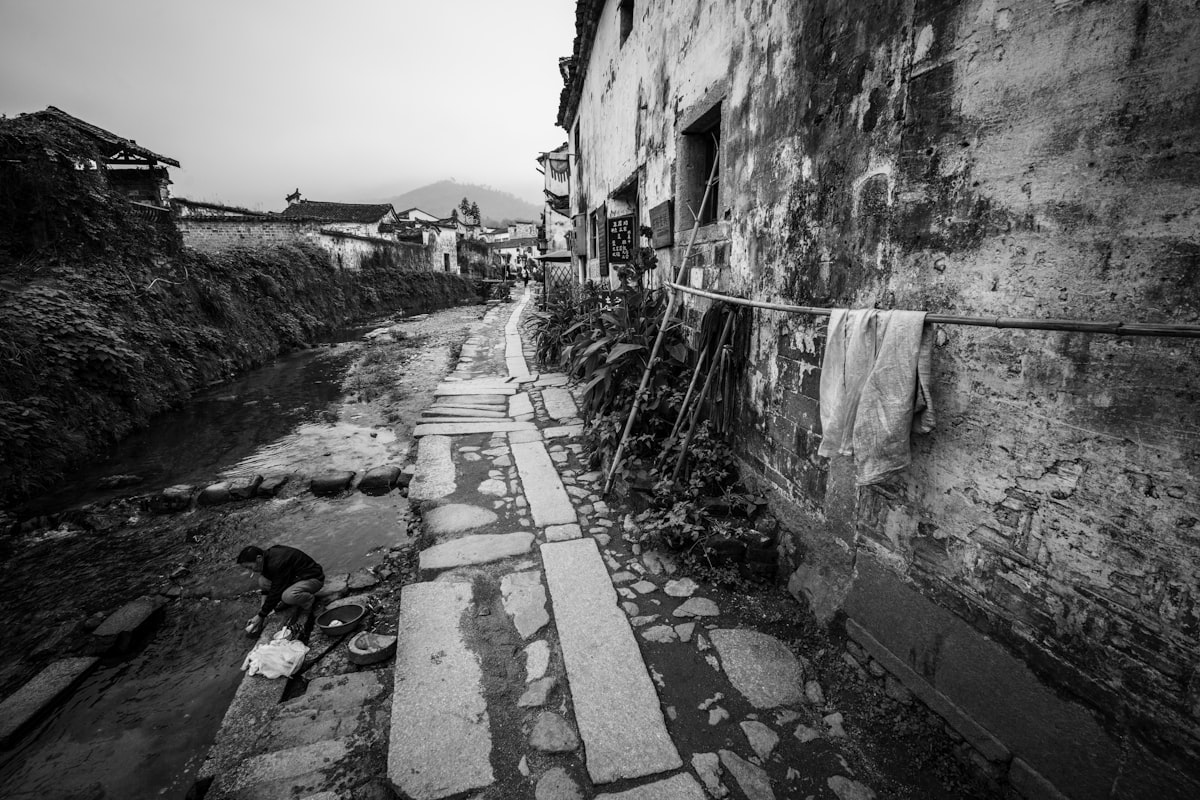
3. Shuanglin Ancient Town
Shuanglin preserves traditional Anhui architecture. Stroll along cobblestone streets, visit local craft shops, and sample street snacks.
4. Wuyi Mountain
Known for its karst formations, Wuyi Mountain offers hiking trails with dramatic cliffs and waterfalls.
5. Chizhou Museum
The museum showcases regional history, from ancient artifacts to modern development. It’s a great introduction to the city’s cultural heritage.
Local Food Categories
Chizhou’s cuisine reflects the broader Anhui culinary tradition, emphasizing freshness and subtle flavors.
- River Fish Dishes: Freshly caught fish from the lake, often steamed or braised.
- Stir‑Fried Vegetables: Seasonal greens cooked with garlic and soy sauce.
- Baked Dumplings: Hand‑made dumplings filled with pork or vegetables, served with chili oil.
- Tea Culture: Local teas, especially green tea, are served in traditional tea houses.
Transportation Overview
Getting to and around Chizhou is straightforward.
Arrival
- By Air: The nearest major airport is Hefei Xinqiao International Airport (about 150 km away). From there, you can take a bus or hire a taxi.
- By Train: Chizhou Railway Station connects to Hefei and other regional hubs.
Local Transit
- Buses: City buses cover most tourist spots. Routes are frequent during peak seasons.
- Taxis & Ride‑Hailing: Widely available; fares are reasonable and can be negotiated.
- Bicycle Rentals: Many hotels offer bicycles for short trips around town.
Tips
- Purchase a Chizhou Tourist Pass for discounted entry to attractions.
- Carry a small amount of cash; some small vendors may not accept cards.
Where to Stay
Chizhou offers a range of accommodation options.- Budget‑Friendly: Guesthouses and hostels in Shuanglin Ancient Town.
- Mid‑Range ($$): Standard hotels near the lake with lake views.
- Upscale ($$$): Boutique hotels in the city center offering spa services.
🏨 Where to Stay in Chizhou
View All Hotels in Chizhou
Featured Snippet
Is Chizhou worth visiting? Yes—its blend of natural scenery, historic temples, and authentic local cuisine makes it a rewarding destination for travelers seeking a quieter, culturally rich experience.
Frequently Asked Questions
What is the best time to visit Chizhou?
The most comfortable months are April to June and September to October, offering mild weather and vibrant scenery.
Is Chizhou safe for tourists?
Chizhou is generally safe, with low crime rates. Standard travel precautions, such as keeping valuables secure, are advised.
How much does a typical day cost in Chizhou?
A budget traveler can spend around 200–300 RMB per day, while mid‑range travelers might budget 500–800 RMB, including meals and entrance fees.
Do I need to know Mandarin to visit Chizhou?
Basic Mandarin phrases help, but many locals in tourist areas speak English. Signage is often bilingual.


[IMAGE: famous landmark in Chizhou