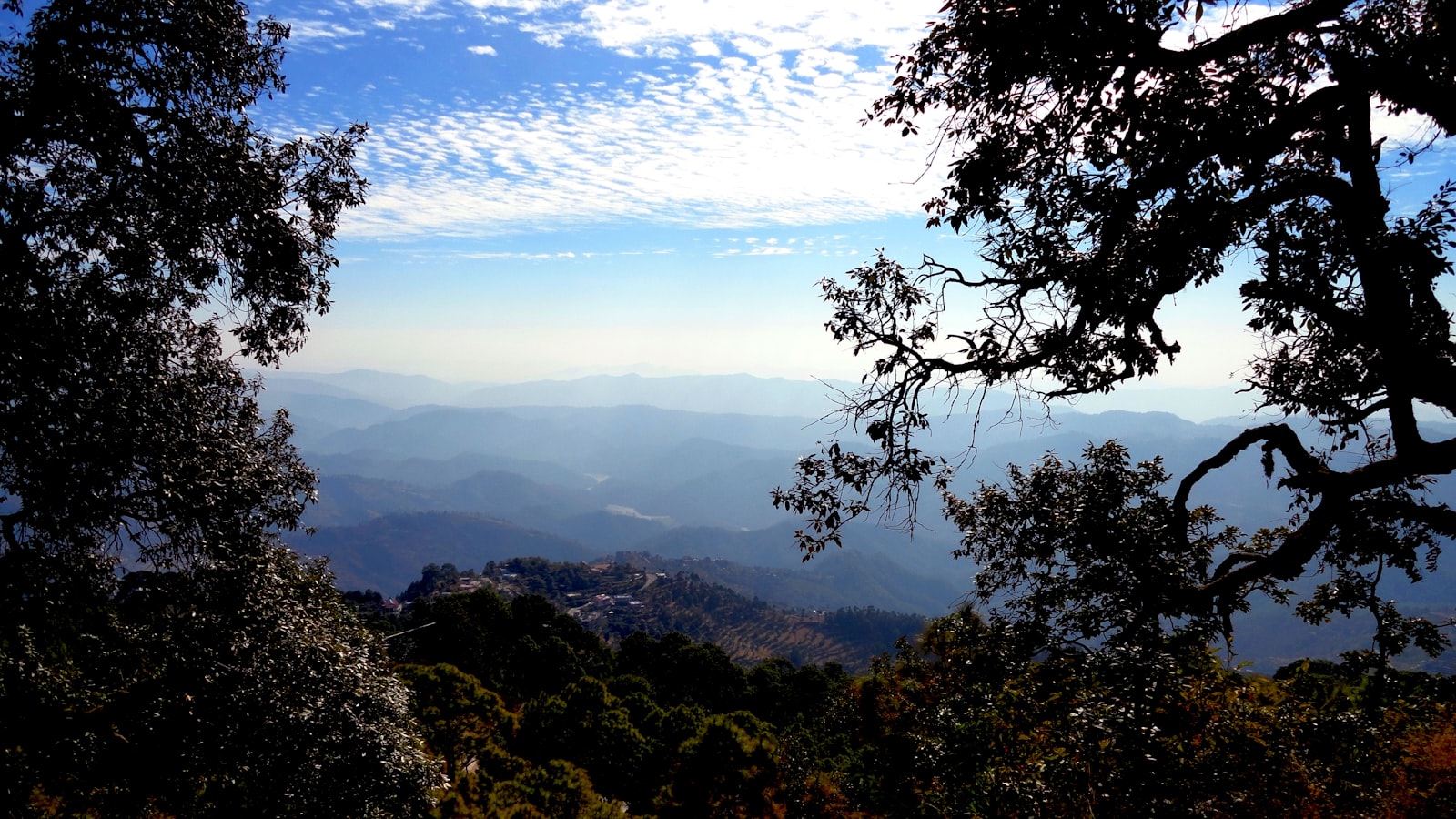
Chiquinquirá Travel Guide 2026
Welcome to Chiquinquirá, a charming Colombian city where history, culture, and natural beauty blend seamlessly. Whether you’re a first‑time visitor or a seasoned traveler, this guide will help you plan a memorable trip. From the best months to visit to the most iconic attractions, we’ve covered everything you need to know.
Is Chiquinquirá worth visiting?
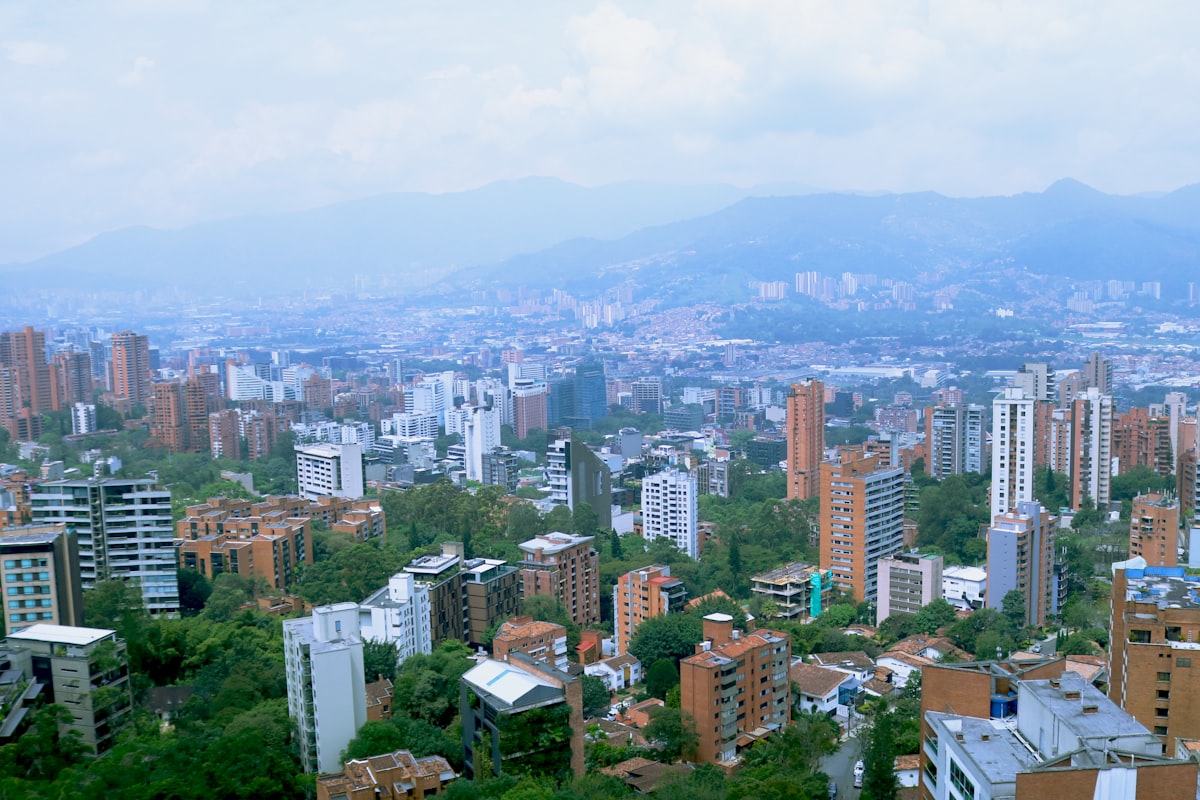
Chiquinquirá offers a unique mix of religious heritage, vibrant markets, and stunning mountain scenery. Many visitors enjoy the peaceful atmosphere and warm hospitality, making it a worthwhile stop on any Colombian itinerary.
Best Time to Visit
The city’s climate is mild year‑round, but the most pleasant periods are:
- March to May – Warm temperatures (22‑28°C) and minimal rainfall.
- September to November – Cooler evenings (18‑24°C) and lush green landscapes.
Top Well‑Known Attractions
Basilica of the National Shrine of Our Lady of Candelaria
A pilgrimage site that draws thousands each year, the basilica features intricate baroque architecture and a revered statue of the Virgin. Admission is free, and visitors often stay for prayer and reflection.
Plaza de Bolívar
The heart of the city, this square hosts local markets, street performers, and historic monuments. It’s a perfect spot for people‑watching and enjoying the local vibe.
Museo de la Candelaria
This museum showcases religious artifacts, colonial art, and the history of Chiquinquirá’s devotion to Our Lady of Candelaria.
Sierra Nevada de Santa Marta Trails
For adventurous travelers, nearby mountain trails offer breathtaking views and a chance to explore indigenous communities.
Typical Local Food Categories
- Arepas – Corn cakes filled with cheese or meat.
- Bandeja Paisa – Hearty platter with rice, beans, ground beef, chicharrón, and plantain.
- Empanadas – Fried or baked pastries with savory fillings.
- Ajiaco – Creamy chicken and potato soup, perfect for cooler evenings.
Transportation Overview
- By Air – The nearest major airport is in Bucaramanga, 70 km away. From there, taxis or local buses reach Chiquinquirá in about 1.5 hours.
- By Bus – Regular services run from Bogotá and Bucaramanga. Buses depart from the main terminal and arrive in the city center.
- By Car – Renting a car offers flexibility, especially for exploring surrounding villages.
- Local Transit – Taxis and shared vans are plentiful and affordable.
Where to Stay
🏨 Where to Stay in Chiquinquirá
View All Hotels in Chiquinquirá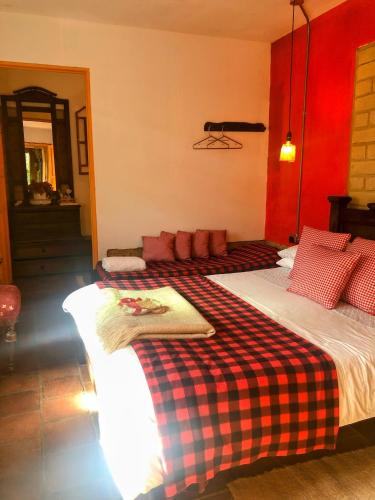

Accommodation ranges from budget-friendly hostels to mid‑range hotels and upscale boutique inns. Many options offer free Wi‑Fi, breakfast, and easy access to the city center.
Practical Tips for Travelers
- Language – Spanish is the official language; English is limited in smaller establishments.
- Currency – Colombian Peso (COP). ATMs are available in the city center.
- Safety – Chiquinquirá is generally safe for tourists; standard precautions apply.
- Connectivity – Mobile coverage is reliable in most areas.
- Local Etiquette – Greet with a friendly "Hola" and thank with "Gracias".
Frequently Asked Questions
What is the best time to visit Chiquinquirá?
The most comfortable months are March to May and September to November, when temperatures are mild and rainfall is low. These periods offer the best conditions for sightseeing and outdoor activities.
Is Chiquinquirá safe for tourists?
Yes, Chiquinquirá is generally safe for visitors. Common sense precautions—avoiding isolated areas at night and keeping valuables secure—ensure a worry‑free stay.
How much does a typical day cost in Chiquinquirá?
A budget traveler can manage on $30‑$50 USD per day, covering meals, local transport, and entry fees. Mid‑range travelers spend around $70‑$100 USD, while upscale visitors may spend $150 USD or more.
What language do locals speak?
Spanish is the primary language. While some younger residents speak basic English, it’s helpful to learn a few Spanish phrases for smoother communication.
[IMAGE: Chiquinquirá street scene