Celestun Travel Guide 2026
Celestun, a jewel on Mexico’s Yucatán Peninsula, invites you to explore its turquoise lagoons, vibrant wildlife, and rich cultural tapestry. Whether you’re chasing the flamingo sunrise or savoring fresh seafood, this guide gives you the insider knowledge to make the most of your visit.

Is Celestun worth visiting?
Celestun is a must‑see destination for nature lovers and culture seekers alike. Its protected wetlands host thousands of flamingos, while nearby cenotes offer cool respite. The town’s relaxed vibe and authentic cuisine make it a standout spot for travelers in 2026.
When to Visit Celestun
The best months for a Celestun adventure are April to June and September to November. During these periods:
- Weather is warm but not scorching, with average highs around 28°C.
- Birdwatching peaks as migratory species arrive.
- Tourist crowds are moderate, allowing for peaceful exploration.
Top Attractions
Celestun Biosphere Reserve
The reserve is a UNESCO‑listed sanctuary where you can spot flamingos, pelicans, and dolphins. Guided boat tours are popular, offering close encounters with wildlife.
Cenote Azul
A crystal‑clear sinkhole perfect for a refreshing swim. The cenote’s natural limestone walls create a tranquil atmosphere.
Historic Church of San Juan Bautista
This 18th‑century church showcases colonial architecture and houses a small museum of local artifacts.
Local Markets
Stroll through the bustling market stalls to find handmade crafts, fresh produce, and local spices.
Local Food Categories
- Seafood: Fresh fish, octopus, and shrimp are staples, often grilled or served in ceviche.
- Cenote Cuisine: Dishes featuring local freshwater fish and tropical fruits.
- Yucatecan Sweets: Flan, tres leches cake, and cajeta (goat milk caramel).
- Street Food: Tacos al pastor, tamales, and fresh fruit juices.
Transportation Overview
- By Air: The nearest international airport is Cancún (about 120 km). From there, a 2‑hour drive or shuttle takes you to Celestun.
- By Bus: Regular buses run from Mérida and Cancún to Celestun, offering a budget-friendly option.
- By Car: Renting a car gives flexibility to explore surrounding cenotes and beaches.
- Local Transit: Taxis and shared vans are available for short trips within town.
Where to Stay
Celestun offers a range of accommodations to suit every budget:
- Budget‑friendly: Hostels and guesthouses with basic amenities.
- Mid‑range ($$): Boutique hotels featuring local décor and views of the lagoon.
- Upscale ($$$): Luxury resorts with private beach access and spa services.
🏨 Where to Stay in Celestun
View All Hotels in Celestun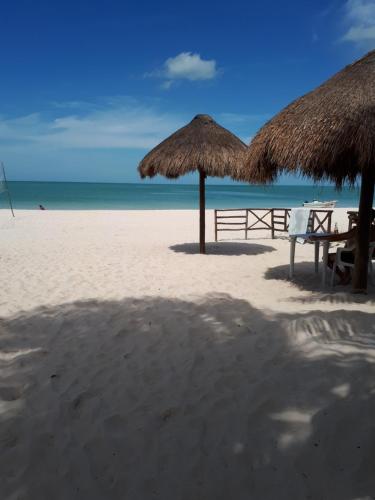


Practical Tips
- Language: Spanish is the primary language, but many locals speak basic English.
- Currency: Mexican Peso (MXN). Credit cards are accepted in most hotels and larger restaurants.
- Safety: Celestun is generally safe for tourists. Stay aware of your belongings and avoid isolated areas at night.
- Duration: A 3‑day trip allows you to experience the main attractions and enjoy a leisurely pace.

Final Thoughts
Celestun offers a harmonious blend of natural beauty, wildlife, and cultural charm. Whether you’re a birdwatcher, foodie, or simply seeking a peaceful getaway, the town’s welcoming atmosphere and vibrant landscapes promise an unforgettable experience in 2026.
[IMAGE: Celestun lagoon sunset