Bad Tolz Travel Guide 2026
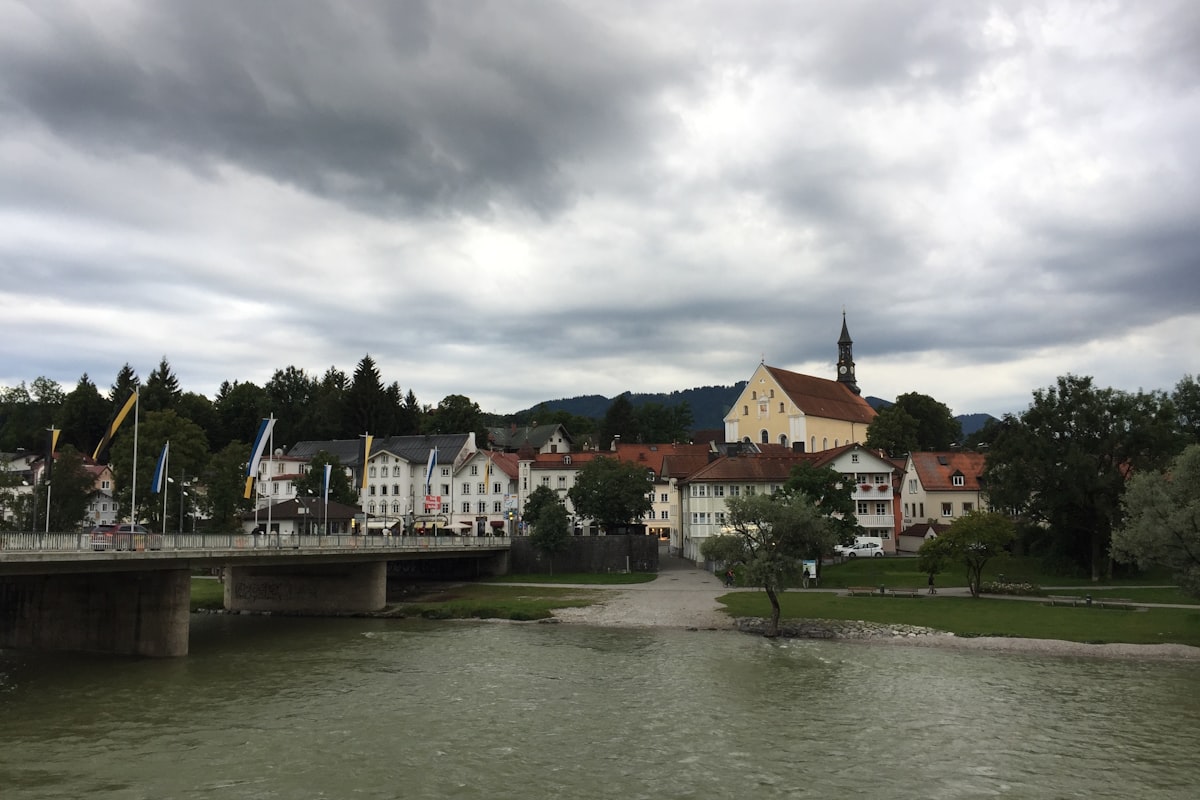
Welcome to Bad Tolz, a charming spa town nestled in the heart of the Black Forest. In 2026, travelers are drawn to its serene lakes, historic architecture, and rejuvenating thermal springs. Whether you’re a culture lover, foodie, or nature enthusiast, Bad Tolz offers a balanced mix of relaxation and adventure.
Is Bad Tolz worth visiting?
Many visitors find Bad Tolz a hidden gem where natural beauty meets cultural heritage. The town’s thermal baths, historic churches, and lush forest trails create a perfect escape from city life.
Best Time to Visit
The optimal months for a Bad Tolz visit are May to June and September to October. During these shoulder seasons, the weather is mild, the crowds are thinner, and the local festivals—such as the annual Lake Festival in July—add vibrant color to your trip.
- Spring (March–April): Blooming flora, but occasional rain.
- Summer (July–August): Warm, ideal for lake activities, but peak tourist season.
- Autumn (September–October): Crisp air, colorful foliage, and harvest festivals.
- Winter (November–February): Snowy landscapes, perfect for winter sports and spa relaxation.
Top Well-Known Attractions
Thermal Springs and Spa Centers
- Thermal Spa Bad Tolz: A historic bathhouse offering mineral-rich waters and wellness treatments.
- Wellness Center: Modern facilities with saunas, steam rooms, and massage services.
Cultural Landmarks
- St. Michael Church: A Gothic masterpiece with intricate stained glass.
- Museum of Local History: Exhibits on the town’s evolution and spa culture.
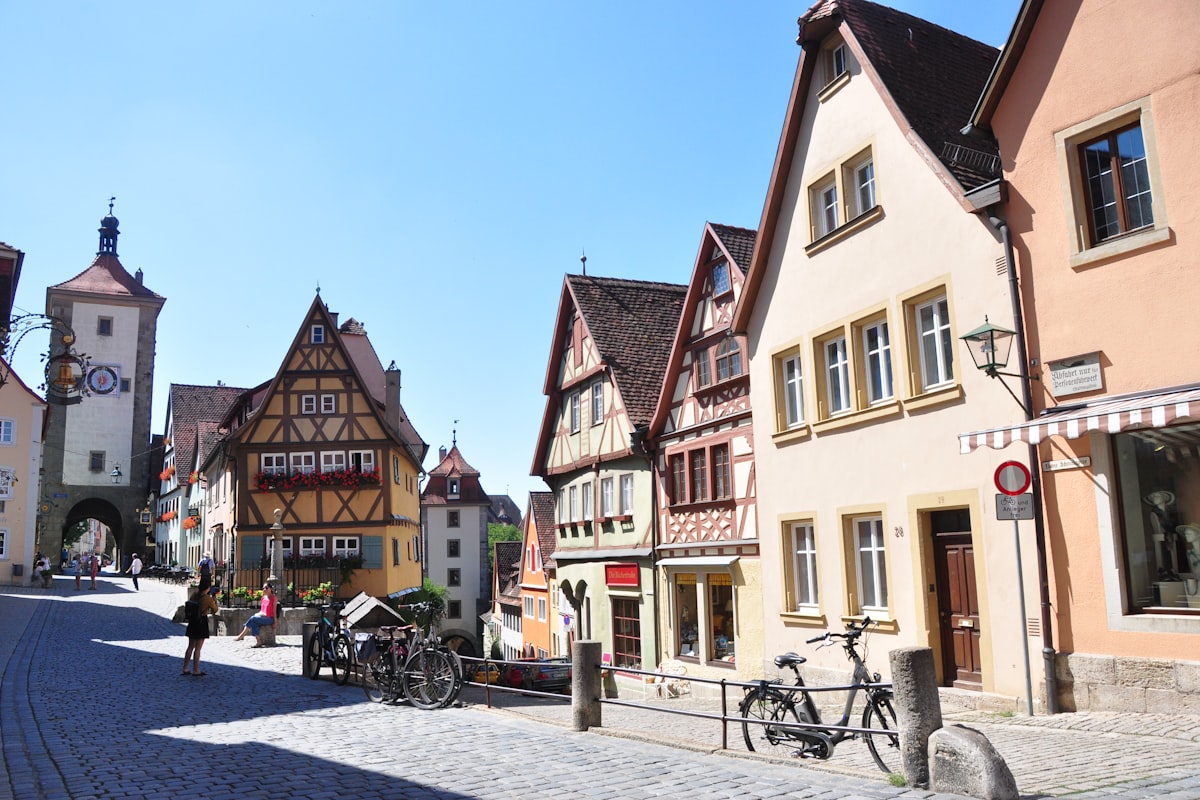
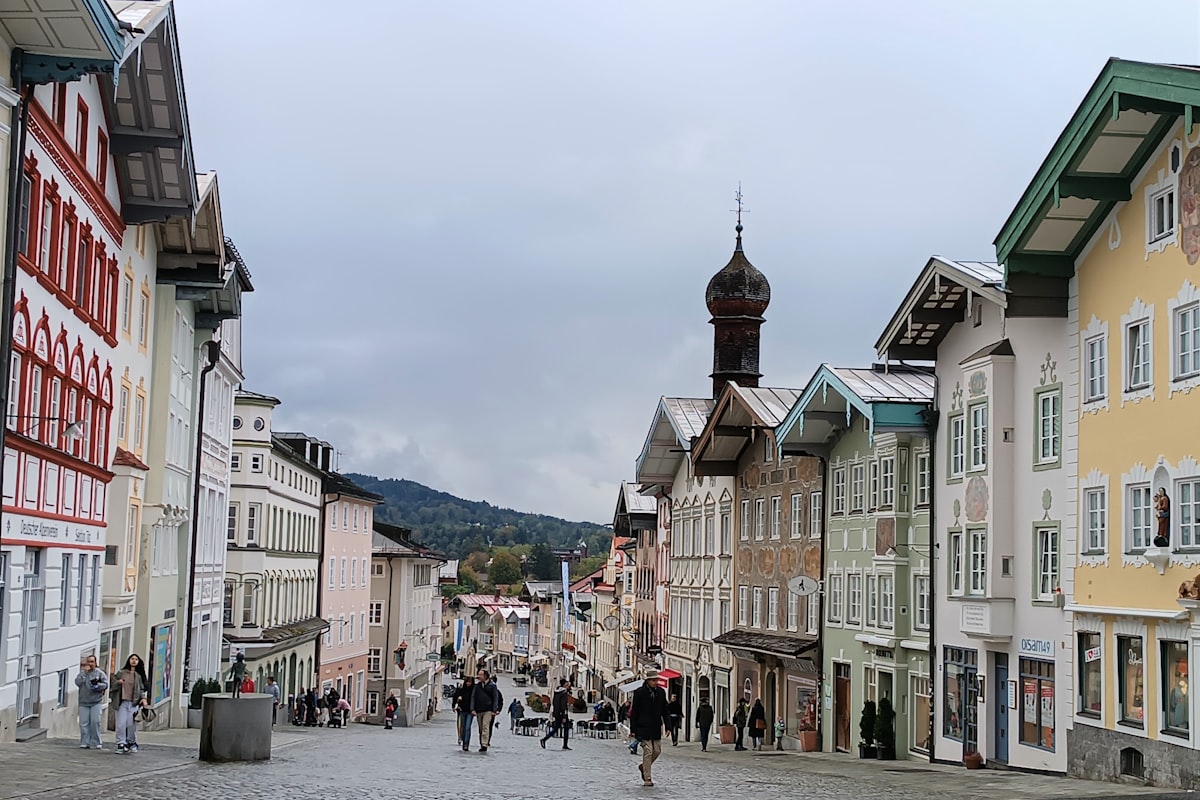
- Old Town Square: Cobblestone streets, historic cafés, and seasonal markets.
Natural Highlights
- Lake Tolz: Crystal-clear waters ideal for kayaking and paddleboarding.
- Black Forest Trails: Guided hikes ranging from easy walks to challenging climbs.
Typical Local Food Categories
- Bavarian‑style pastries: Warm rolls and sweet breads from local bakeries.
- Forest cuisine: Mushroom soups, venison stew, and wild berry desserts.
- Hearty soups: Bratwurst with sauerkraut and potato dumplings.
- Local brews: Seasonal craft beers and traditional German lagers.
Transportation Overview
- By Air: The nearest major airport is Freiburg Airport, about 90 km away. From there, a 1.5‑hour drive or train ride brings you to Bad Tolz.
- By Train: Regular regional trains connect Bad Tolz to Freiburg, Basel, and Munich. The journey offers scenic views of the Black Forest.
- By Car: A scenic drive via the B31 and B28 roads. Parking is available at the town center and near the spa facilities.
- Local Transit: Buses run between the train station, spa district, and surrounding villages.
Where to Stay
🏨 Where to Stay in Bad Tolz
View All Hotels in Bad Tolz


Accommodation ranges from budget-friendly guesthouses to upscale spa resorts. Many hotels offer direct access to thermal pools, making it easy to unwind after a day of exploration.
Practical Tips for Travelers
- Language: German is the primary language, but English is widely understood in tourist areas.
- Currency: Euro (€). Credit cards are accepted in most establishments.
- Health & Safety: Bad Tolz is a safe destination with low crime rates. Standard travel insurance is recommended.
- Cultural Etiquette: Respect local customs, especially in spa settings—quiet, modest attire, and no photography in treatment rooms.
Frequently Asked Questions
What is the best time to visit Bad Tolz?
The best time to visit Bad Tolz is from May to June and September to October. These periods offer mild weather, fewer crowds, and vibrant local festivals that enhance your experience.
Is Bad Tolz safe for tourists?
Yes, Bad Tolz is considered very safe for tourists. The town has low crime rates, and local authorities maintain strict safety protocols in public spaces and spa facilities.
How much does a typical stay cost in Bad Tolz?
Accommodations vary: budget-friendly options start at a few hundred euros per night, mid-range hotels are around $$, and upscale spa resorts fall into the $$$ category. Prices fluctuate seasonally.
What languages are commonly spoken in Bad Tolz?
German is the official language, but English is widely spoken in hotels, restaurants, and tourist attractions. Many locals also speak French and Swiss German.