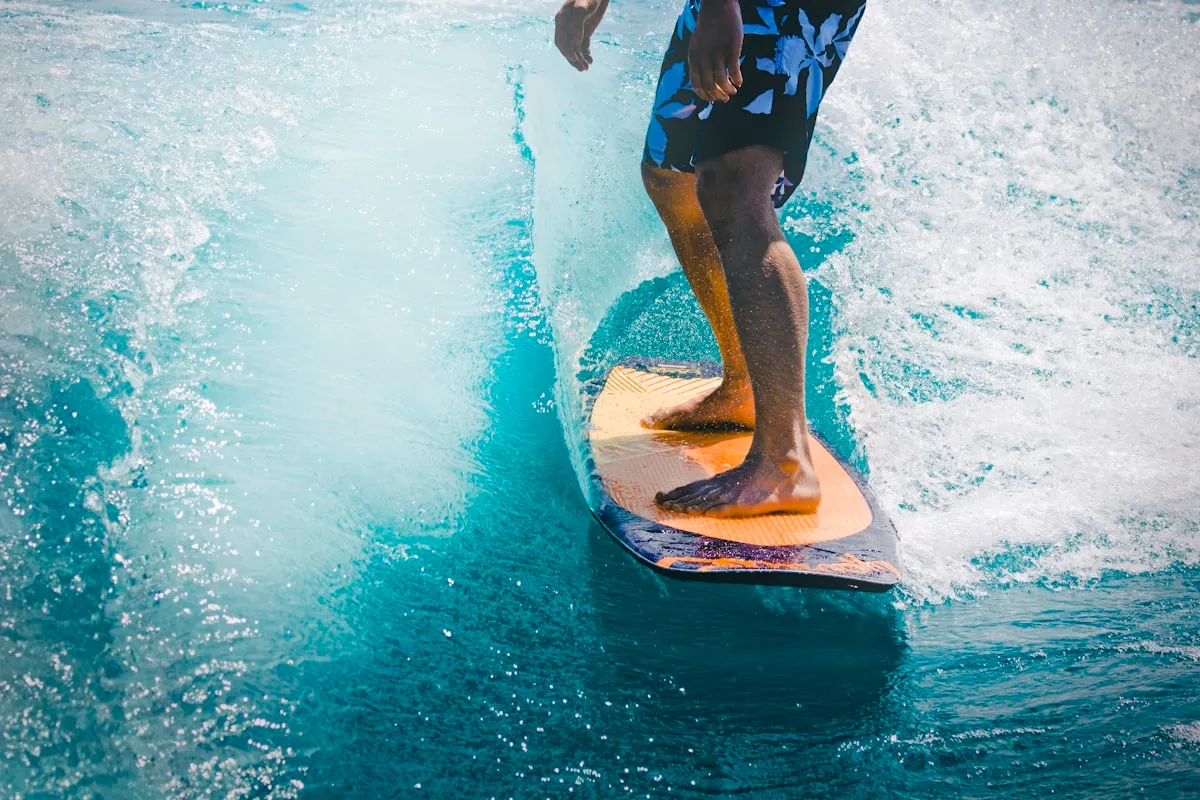
Siargao has been on the Australian surf radar for years, but the number of Aussies who actually go remains surprisingly small — mostly because the routing is not as obvious as Bali. Once you work out the logistics, getting from Australia to Siargao is straightforward and the total flight time is very manageable. And when you hit Cloud 9 on a pumping swell with the water still 28 degrees, you will wonder why it took you so long.
Getting from Australia to Siargao: The Routes
There are no direct flights from Australia to Siargao. All routes connect through either Manila (MNL) or Cebu (CEB), with a final short hop to Siargao's Sayak Airport (IAO). Here are the best options by city.
Sydney to Siargao
Best route: Sydney (SYD) to Manila (MNL) to Siargao (IAO)
- Sydney to Manila: Philippine Airlines (PR) flies direct Sydney-Manila daily. Flight time: 8 hours 30 minutes. This is the cleanest connection for Sydneysiders. Fares: AUD 550-900 return booked 6-8 weeks ahead.
- Manila to Siargao (IAO): Cebu Pacific and Philippine Airlines operate this route. Flight time: 1 hour 45 minutes. Fares: ₱1,800-₱3,500 one-way. Multiple departures daily.
- Total Sydney to Siargao: 12-15 hours including layover in Manila. If you catch a good connection, the Manila transit can be as short as 2 hours.
Alternative: Sydney to Cebu, then Cebu to Siargao
- Cebu Pacific operates seasonal direct Sydney (SYD) to Cebu (CEB) flights. Check their website — this route opens and closes based on demand, but when available it can save you Manila airport time.
- Cebu to Siargao: 1 hour, fares from ₱1,200.
Melbourne to Siargao
Best route: Melbourne (MEL) to Manila (MNL) to Siargao (IAO)
- Philippine Airlines flies Melbourne to Manila direct. Flight time: approximately 9 hours. Less frequent than the Sydney service — check schedules, as it may involve a short stop at Cairns or Darwin on some services.
- Alternatively: Melbourne to Singapore (SIA, 8 hours) then Singapore to Manila (2 hours) then Manila to Siargao. This adds a connection but Singapore's Changi is the most comfortable airport transit in the world and the overall journey is often cheaper.
Brisbane to Siargao
Best route: Brisbane (BNE) to Manila (MNL) via Cebu Pacific or PAL, then Manila to Siargao
- Cebu Pacific operates Brisbane to Manila. Flight time: approximately 8 hours. Fares are often lower than PAL on this route.
- Alternative: Brisbane to Singapore (7 hours) then Singapore to Manila (2 hours) then Manila to Siargao. Same total time but breaks it up nicely if you want a few hours at Changi.
Perth to Siargao
Perth has the most Asia-facing routing in Australia. Options include:
- Perth to Manila direct (PAL, Philippine Airlines, approximately 6.5 hours) then Manila to Siargao.
- Perth to Cebu via Singapore or Kuala Lumpur — multiple LCC connections possible, often cheaper than PAL. Total travel time comparable.
- From Perth, total travel time to Siargao is approximately 10-12 hours — shorter than from Sydney or Melbourne.
Arrival at Siargao: What to Expect
Sayak Airport (IAO) is small, well-organized, and handles arrivals smoothly. The island is 45-60 minutes by tricycle from the airport to General Luna, the main surf and accommodation hub. Tricycle fare: ₱300-₱500 for a private trike, ₱150-₱200 in a shared van if you wait for it to fill.
Most surf camps and guesthouses will arrange airport pickup — ask when you book. Usually ₱300-₱400 per person.
The Surf Season: When to Go
This is crucial for planning your trip.
Peak Surf Season: August to November
This is when Cloud 9 fires. North Pacific swells generated in the Philippine Sea produce powerful, hollow right-hand waves at the famous reef break. August sees the start of consistent swell, September and October are the heart of the season when the surf is most consistent and powerful, and November transitions to smaller but still excellent conditions.
Who this is for: Intermediate to advanced surfers. Cloud 9 is a serious wave — thick lips, fast sections, and a shallow reef. It is not for beginners. If you are an experienced surfer, this is the wave to come for.
Caveat: This period overlaps with typhoon season (August-October). Typhoons rarely hit Siargao directly but they do generate huge, disorganized swell that closes the surf for days at a time. They also bring heavy rain. Most serious surfers plan for some wet weather and consider it part of the deal — the days between typhoon systems often produce the best surf of the year.
Transition Season: December to February
Amihan (northeast monsoon) arrives and Siargao's surf mellows. Smaller, cleaner waves at many spots. Better for intermediate surfers who want to improve and progress without getting hammered. The island also feels more relaxed and crowd-free in this period.
Who this is for: Beginner to intermediate surfers. Island hoppers and non-surfers who want calmer conditions. Travelers who prioritize the social scene and the island vibe over big swell.
Dry Season: March to June
Smaller surf, warm weather, calm seas, excellent island hopping. This is the least surf-focused period but possibly the most enjoyable for travelers who want to combine surfing with exploring. The Sugba Lagoon, Magpupungko tidal pools, and the three-island hop are all exceptional in these conditions.
Who this is for: Couples, groups with mixed surf ability, non-surfers, or anyone who wants the beautiful-island experience with surfing as a bonus rather than the primary reason for going.
Cloud 9: What Australian Surfers Need to Know
Cloud 9 is a right-hand reef break on the east coast of Siargao, about 10 minutes by tricycle from General Luna. The wave breaks over a shallow coral reef and produces some of the most consistent barrels in Southeast Asia. Here is what to know before paddling out:
- Reef shoes or booties: The reef is shallow at low tide. You will touch the reef during a wipeout. Reef booties are not strictly essential but they significantly reduce the chance of a painful cut or coral rash. Worth the AUD 30 to pack them.
- Skill level: Cloud 9 is for experienced surfers. Intermediate surfers should progress to it during smaller swells, not dive into it on a 6-foot overhead day on their first session. There are gentler breaks on the island (Jacking Horse, Rock Island, Daku Beach) to warm up on.
- The channel: Paddle out via the channel on the south side of the break. Paddling straight out from the beach will put you through the impact zone.
- The tower: Cloud 9 has a famous elevated viewing tower at the end of the boardwalk. If you are not surfing, this is one of the best surf viewing spots in the world — you can watch sets pitching over the reef from above.
- Crowding: Busier than it used to be but less crowded than almost any comparable-quality break in Australia. On a solid day in October, you might share it with 20-40 people. That would be considered quiet at Snapper Rocks or Bells Beach.
Non-Surf Activities: What to Do When the Surf Is Flat
- Sugba Lagoon: An enclosed lagoon in the national park, turquoise water, hammocks over the water, no crowds. About 1.5 hours by bangka. Most people rate it as the single most beautiful spot on the island for non-surfers. ₱200 entrance, bangka hire approximately ₱3,000 per boat.
- Three-island hop: Naked Island (sandbar in the middle of the ocean), Daku Island (bigger, lush, picnic lunch on the beach), and Guyam Island (palm trees, turquoise water, the postcard shot). ₱1,000-₱1,500 per person in a shared bangka, full day.
- Magpupungko tidal pools: Rock formations that create natural infinity pools accessible at low tide. 45 minutes northeast of General Luna by tricycle. ₱50 entrance, ₱200 for the trike. The natural pools are deep enough to jump into from the rocks.
- Mangrove kayaking: The mangrove forest near Del Carmen is one of the largest in the Philippines. Flat-water kayaking through jungle canals, a genuinely peaceful half-day activity. Usually ₱500-₱800 for a guided kayak trip.
Cost Guide: Siargao for Australians (2026)
- Budget surf camp (dorm + 3 meals): ₱1,500-₱2,500/day (~AUD 40-65)
- Mid-range private room: ₱3,000-₱5,000/night (~AUD 80-130)
- Surfboard rental: ₱500-₱800/day (~AUD 13-21)
- Good restaurant meal: ₱350-₱600 (~AUD 9-16)
- Cold San Miguel beer: ₱80-₱120 (~AUD 2-3)
- Daily spend estimate (mid-range): ₱3,500-₱5,500/day all-in (~AUD 90-145)
Siargao is dramatically cheaper than Bali for equivalent quality. A surf holiday here costs roughly 30-40% less than a comparable Bali trip.
Frequently Asked Questions
How long does it take to fly from Australia to Siargao?
From Sydney: approximately 12-15 hours total including connections. From Melbourne: 13-16 hours. From Perth: 10-12 hours. The Manila connection is the main variable — sometimes 2-hour layovers work smoothly, sometimes you build in more buffer. Philippine Airlines from Sydney is the most reliable single-connection option.
Do Australians need a visa for the Philippines?
No. Australian passport holders enter the Philippines visa-free for up to 30 days (extendable to 59 days at immigration offices). Just bring your valid Australian passport and a return or onward ticket. No advance application needed.
Is Siargao worth the trip from Australia compared to Bali?
For surfers chasing genuine barrels: yes, emphatically. Cloud 9 at peak season beats anything in Bali for raw wave quality. For non-surfers: Siargao is beautiful but Bali has far more to do. Bali is also easier to get to. Siargao is worth the extra travel effort specifically if the surf, the quietness, or the raw island feel is what you're after.
What should Australian surfers pack for Siargao?
Reef booties or sandals, rash vest (the sun is strong, UV reflection off the water burns fast), SPF 50+ reef-safe sunscreen, surf wax (available locally but your preferred brand may not be), a mid-length board for smaller days, and your shortboard for when Cloud 9 is firing. Board bags are allowed on Philippine domestic flights — check size and weight restrictions with Cebu Pacific or PAL Express.
When is the best time to go to Siargao from Australia?
For surf: September and October. For non-surf island travel: December to April (dry season, calm seas, excellent island hopping conditions). Avoid traveling during Australian summer school holidays (December-January) if you want to avoid Australian tourist peaks — though Siargao's overall visitor numbers remain low enough that this is not a major factor.