Planning to travel from Australia to the Philippines in 2026? This guide covers everything you need: visa requirements for Australia citizens, the best flight routes from Sydney (SYD), currency conversion from AUD to PHP, and a practical 7-day island itinerary. Real prices, real routes, no fluff.
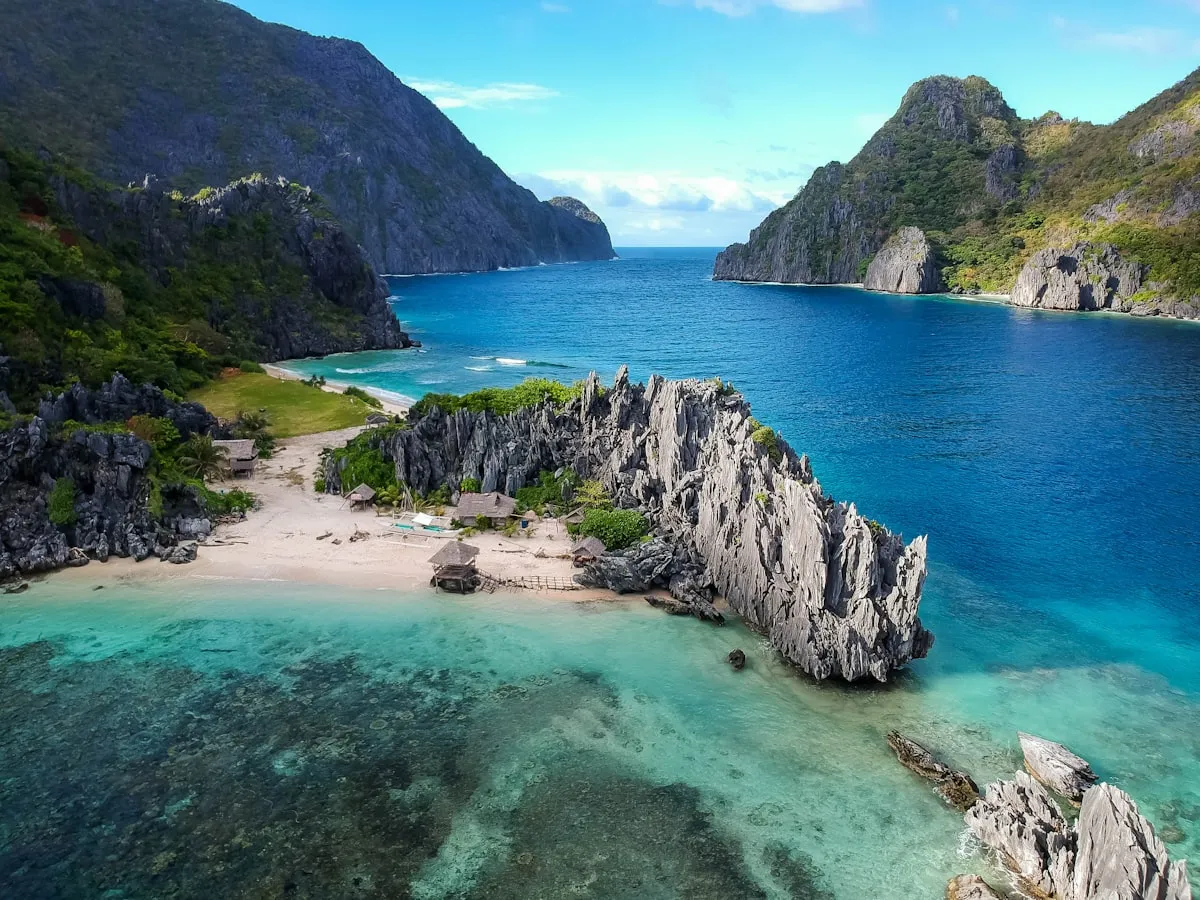
Australia to Philippines Travel Guide 2026: Flights, Visa & Insider Tips
Trip.com
Search on Trip.comHotels in Philippines
Compare live prices via Travelpayouts — targeted for this guide.
Visa requirements for Australia citizens
Good news: Australia citizens get visa-free 30 days in the Philippines. No visa application needed — just arrive with a passport valid 6+ months, a return ticket, and proof of accommodation. The immigration officer stamps you in at the airport.
Always check the PANA.PH visa checker before booking, as rules can change. If you plan to stay longer than the visa-free period, you can extend at any Bureau of Immigration office in the Philippines for a fee.
Flights from Australia to the Philippines
The main gateway to the Philippines is Manila (MNL), with secondary international airports in Cebu (CEB) and Clark (CRK). From Australia, the best route is:
Trip.com
Tours & activities in Philippines
Hand-picked experiences in Philippines — book on Trip.com with instant confirmation.
Cebu Temple of Leah and Sirao Garden TourCebu City, Philippines · Full dayFrom ₱4,993Book on Trip.com →
Coron Expedition Island Hopping TourCoron, Philippines · Full dayFrom ₱16,144Book on Trip.com →
Badian Kawasan Canyoneering AdventureBadian, Philippines · Full dayFrom ₱2,399Book on Trip.com →
- Departure airport: Sydney (SYD)
- Airlines: Qantas, Philippine Airlines, Cebu Pacific
- Route: Manila direct from Sydney, Melbourne, Brisbane, Perth
- Flight time: 6-10 hours
Book 4-8 weeks ahead for the best fares. Use the PANA.PH flight search to compare live prices across airlines. If you plan to visit multiple islands, consider an open-jaw ticket (fly into Manila, out of Cebu).
Currency: AUD to PHP
The Philippine Peso (PHP) is the local currency. Exchange rates fluctuate, so check a live converter before departure. You can:
- Withdraw PHP at any airport or city ATM (most accept international cards)
- Exchange AUD at banks or authorized money changers (better rates than airports)
- Use credit cards at hotels, malls, and restaurants (Visa/Mastercard widely accepted)
Carry some PHP cash for tricycles, small shops, and island tours — card payment is not universal outside cities. Use the PANA.PH expense tracker to budget in real time.
Language and communication
English is your native language — you will have zero communication issues in the Philippines, where English is an official language alongside Filipino. Signs, menus, transport, and most locals speak English.
Best time to visit from Australia
The Philippines has two seasons: dry (November to May) and wet (June to October). For the best weather, plan your trip between December and April. If you are coming from Australia during your winter, the Philippines offers a warm tropical escape.
Peak season is December-February (cooler, drier, busiest). Shoulder months (March-May, October-November) offer lower prices and fewer crowds. Avoid typhoon season (July-September) unless you are flexible with dates.
Check the best time to visit guide for month-by-month details, and the weather tool for live forecasts.
Flights from Australia to the Philippines are 6-10 hours with direct routes from major cities. The time difference is 2-4 hours, so jet lag is minimal. A 7-10 day trip is ideal.
Sample 7-day Philippines itinerary from Australia
Day 1 - Arrive in Manila
Land at MNL, clear immigration, grab a SIM card (Globe or Smart, PHP 300-599 for 7-day data), withdraw cash, and take a Grab taxi to your hotel. Light exploration of Makati or BGC.
Day 2 - Fly to Palawan (El Nido or Coron)
Domestic flight to El Nido (ENI) or Coron (USU) via Manila. Book 4 weeks ahead for PHP 2,500-5,000 one-way. Spend the afternoon on the beach or exploring town.
Day 3 - Island hopping tour
Full-day island hopping in El Nido (Tour A or C) or Coron (Coron Island Loop). PHP 1,200-1,500 per person including lunch. Book DOT-accredited operators through PANA.PH activities.
Day 4 - Lagoons and snorkeling
Private boat charter for hidden lagoons and snorkeling spots. PHP 2,000-4,000 for a full day. Or join a shared tour for PHP 1,200-1,800.
Day 5 - Fly to Cebu
Domestic flight to Cebu (CEB). Visit Kawasan Falls or Moalboal sardine run. Stay in Moalboal or Cebu City.
Day 6 - Whale sharks or diving
Oslob whale shark encounter (PHP 1,500-3,000) or Pescador Island diving. Book via PANA.PH activities for DOT-accredited operators.
Day 7 - Return to Manila and fly home
Domestic flight back to MNL, last-minute shopping at SM Mall of Asia, then international departure to Australia.
What to budget from Australia
Estimated costs for a 7-day trip (per person, excluding international flights):
- Domestic flights: PHP 8,000-15,000 (2-3 sectors)
- Hotels: PHP 1,500-5,000/night (mid-range)
- Food: PHP 500-1,500/day (local restaurants)
- Tours: PHP 1,200-3,500 per activity
- Transport: PHP 200-800/day (Grab, tricycle, ferry)
- Total (7 days): PHP 25,000-60,000
Use the expense tracker to convert to AUD and track spending in real time.
Essential apps for Australia travelers
- Grab - ride-hailing in Manila, Cebu, Davao (like Uber)
- Google Maps - download offline maps for islands
- PANA.PH - book hotels, stays, tours, and transfers
- Google Translate - download English-English offline
- Wise or Revolut - low-fee currency conversion from AUD
Safety tips for Australia visitors
- Register with your embassy in Manila upon arrival
- Get travel insurance with medical evacuation coverage
- Drink bottled water; avoid tap water outside major hotels
- Use registered taxis or Grab; avoid unmarked vehicles
- Keep digital copies of passport, visa, and insurance
- Save the emergency contacts page on your phone
FAQ - Australia to Philippines
Do Australia citizens need a visa for the Philippines?
Good news: Australia citizens get visa-free 30 days in the Philippines. No visa application needed — just arrive with a passport valid 6+ months, a return ticket, and proof of accommodation. The immigration officer stamps you in at the airport.
How long is the flight from Australia to the Philippines?
6-10 hours from Sydney (SYD) to Manila.
What is the best airline from Australia to the Philippines?
Qantas, Philippine Airlines, Cebu Pacific offer the most convenient routes. Compare live prices on the PANA.PH flight search.
How much does a Philippines trip cost from Australia?
Budget PHP 25,000-60,000 for 7 days (excluding international flights). Use the expense tracker to convert to AUD.
Is the Philippines safe for Australia tourists?
Yes, with normal precautions. Most tourist areas (Palawan, Cebu, Boracay, Siargao) are safe. Get travel insurance and register with your embassy.
Can I use my Australia phone in the Philippines?
Yes, but roaming is expensive. Buy a local SIM (Globe or Smart, PHP 300-599) at the airport or use an eSIM for instant data.
Plan your Australia to Philippines trip with PANA.PH
- Search flights from Australia
- Book hotels
- Find local stays
- Book tours and activities
- Build a custom itinerary
- Explore destinations
- Book transfers and ferries
- Get travel insurance
- Get eSIM or SIM card
- Check visa requirements
Book your Philippines trip
Popular tours
- El Nido Island Hopping - PHP 1,200 - 4.9 stars
- Coron Island Tour - PHP 1,500 - 4.8 stars
- Cebu Whale Shark Tour - PHP 2,500 - 4.7 stars
- Siargao Surf Lesson - PHP 1,800 - 4.8 stars
Sources
Primary references for the figures and rules in this guide. Fees and schedules change — check the source before you travel.

Real local stays (book direct)
Hand-picked homestays and guesthouses — book direct, no markup.

Calilayan Cove Beach ResortUnisan, PhilippinesFrom ₱3,829/night
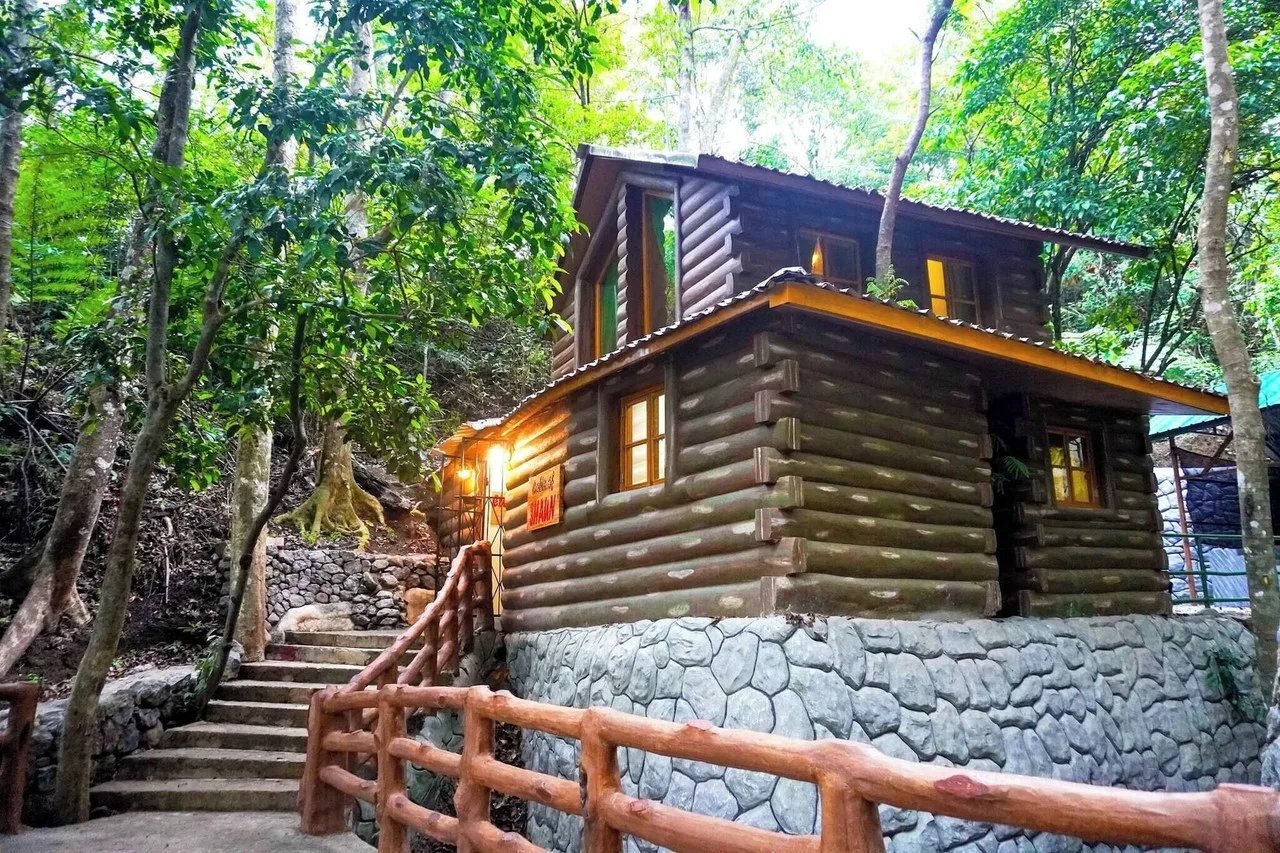
Vacation House in BaguioTuba 2, PhilippinesFrom ₱13,609/night
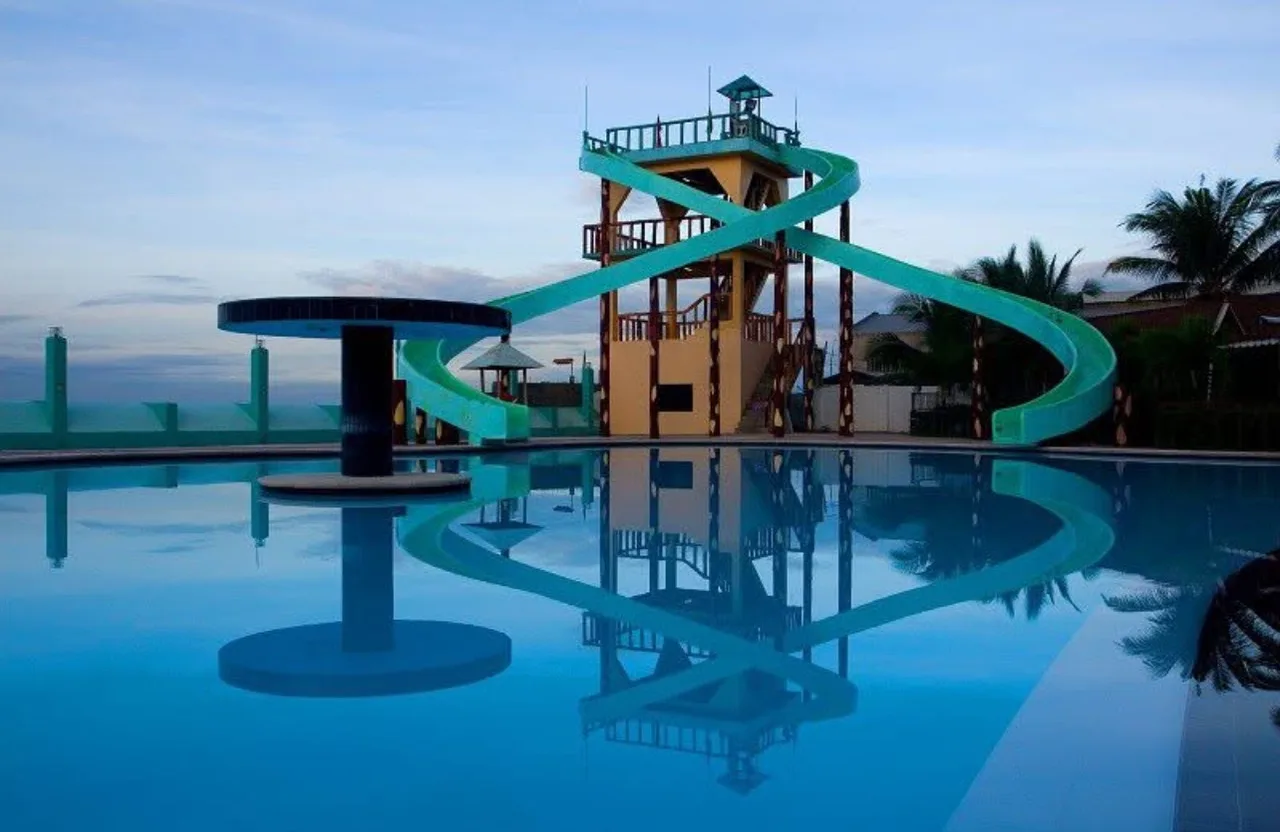
Teresita Santos ResortTalisay, PhilippinesFrom ₱1,552/night
Popular activities (book instantly)
Island hopping, canyoneering, whale sharks — real Klook/GetYourGuide options.
Cebu Temple of Leah and Sirao Garden TourCebu City, Philippines · Full dayFrom ₱4,993
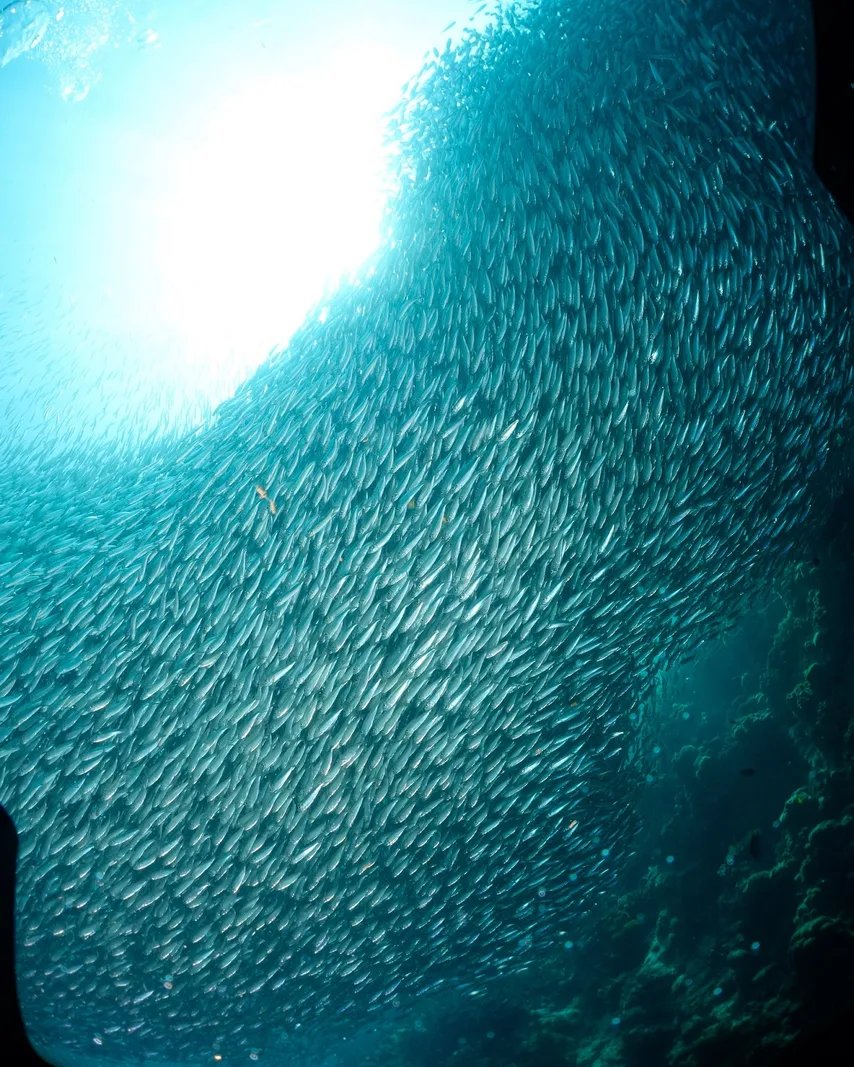
Moalboal Pescador Island Scuba Diving & Sardine RunMoalboal, Cebu · Full dayFrom ₱8,625
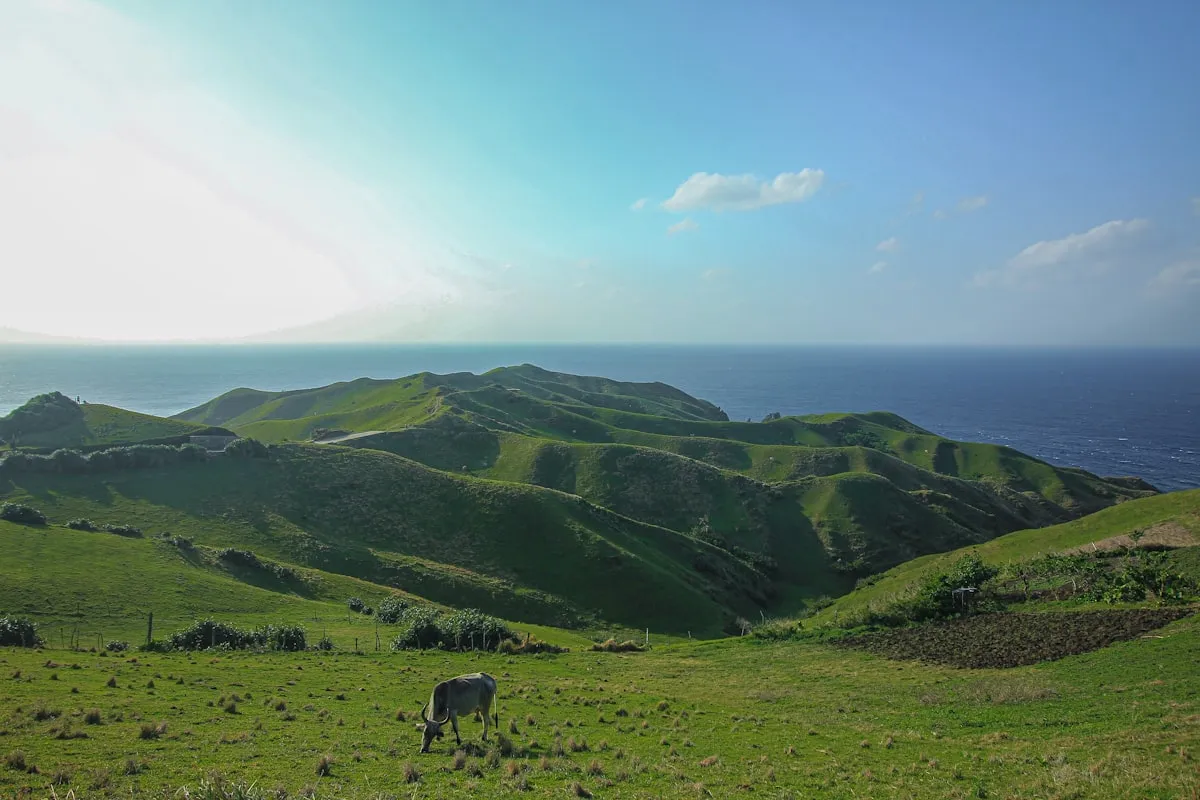
Batanes Cultural PhotographyBatanes · 3 daysFrom ₱3,500