Al Bahah Travel Guide 2026
Welcome to Al Bahah, a hidden gem in the heart of Saudi Arabia’s Asir region. Known for its misty mountains, lush valleys, and vibrant culture, Al Bahah offers a refreshing escape from the desert heat. Whether you’re a nature lover, history buff, or foodie, this guide will help you plan the perfect visit.

Why Al Bahah is Worth Visiting
Al Bahah blends natural beauty with rich heritage. From terraced farms to ancient forts, the city invites you to explore its stories. Many visitors enjoy the cool mountain air, colorful markets, and warm hospitality that define this unique destination.
Best Time to Visit Al Bahah
The ideal months for a trip to Al Bahah are April to June and September to November. During these periods, daytime temperatures hover between 20–25 °C, perfect for hiking and sightseeing. The rainy season (July–August) brings lush greenery but can make roads slippery, while the winter months (December–February) are cooler, especially at higher elevations.
Top Well-Known Attractions
- Al Bahah Castle – A historic fortress overlooking the city, offering panoramic views and a glimpse into the region’s past.
- Al Bahah Museum – Showcases artifacts from pre-Islamic times, traditional crafts, and local folklore.
- Al Bahah Botanical Garden – Home to native plants, walking paths, and a serene lake.
- Al Bahah Souq – A bustling market where you can buy spices, textiles, and handmade pottery.
- Al Bahah Waterfall – Located near the outskirts, this natural wonder is best visited in late spring.
Typical Local Food Categories
Al Bahah’s cuisine reflects the fertile Asir region. Expect:
- Grilled meats such as lamb kebabs and goat shish.
- Rice dishes like bari (rice with meat and spices).
- Bread varieties including khubz and saj flatbread.
- Sweet treats such as halwa and qatayef.
- Fresh fruit from local orchards, especially dates and figs.
Transportation Overview
- By Air: The nearest international airport is Jeddah King Abdulaziz International Airport, about 200 km away. From there, you can hire a car or take a bus.
- By Bus: Regular intercity buses connect Al Bahah with Jeddah, Taif, and other regional hubs.
- By Car: Renting a car offers flexibility; the main road (Route 5) is well maintained.
- By Taxi: Local taxis are available in the city center and can be arranged through hotels or the souq.
Where to Stay
Al Bahah offers a range of accommodation options to suit every budget:
- Budget-friendly: Guesthouses and hostels near the city center.
- Mid-range ($$): Boutique hotels with traditional décor and modern amenities.
- Upscale ($$$): Resorts in the surrounding hills offering spa services and panoramic views.
🏨 Where to Stay in Al Bahah
View All Hotels in Al Bahah

Tips for a Memorable Trip
- Pack layers: mornings can be cool, afternoons warmer.
- Bring comfortable walking shoes for uneven terrain.
- Respect local customs: modest dress is appreciated in public spaces.
- Try local coffee (qahwa) and tea (mint tea) as a cultural experience.
- Stay hydrated, especially if you plan to hike.
Frequently Asked Questions
What is the best time to visit Al Bahah?
The most pleasant months are April to June and September to November, when temperatures range from 20–25 °C and the scenery is lush.
Is Al Bahah safe for tourists?
Al Bahah is generally safe for travelers. Standard precautions, such as keeping valuables secure and staying aware of local customs, are advised.
How much does a typical day in Al Bahah cost?
A day’s budget can range from budget-friendly options to mid-range experiences. Expect to spend around $50–$100 for meals, transport, and entrance fees, depending on your choices.
What language is spoken in Al Bahah?
Arabic is the primary language. English is commonly understood in tourist areas, especially in hotels and restaurants.
Featured Snippet
Is Al Bahah worth visiting? Yes, Al Bahah offers a unique blend of natural beauty, cultural heritage, and warm hospitality that makes it a must-see destination in Saudi Arabia.

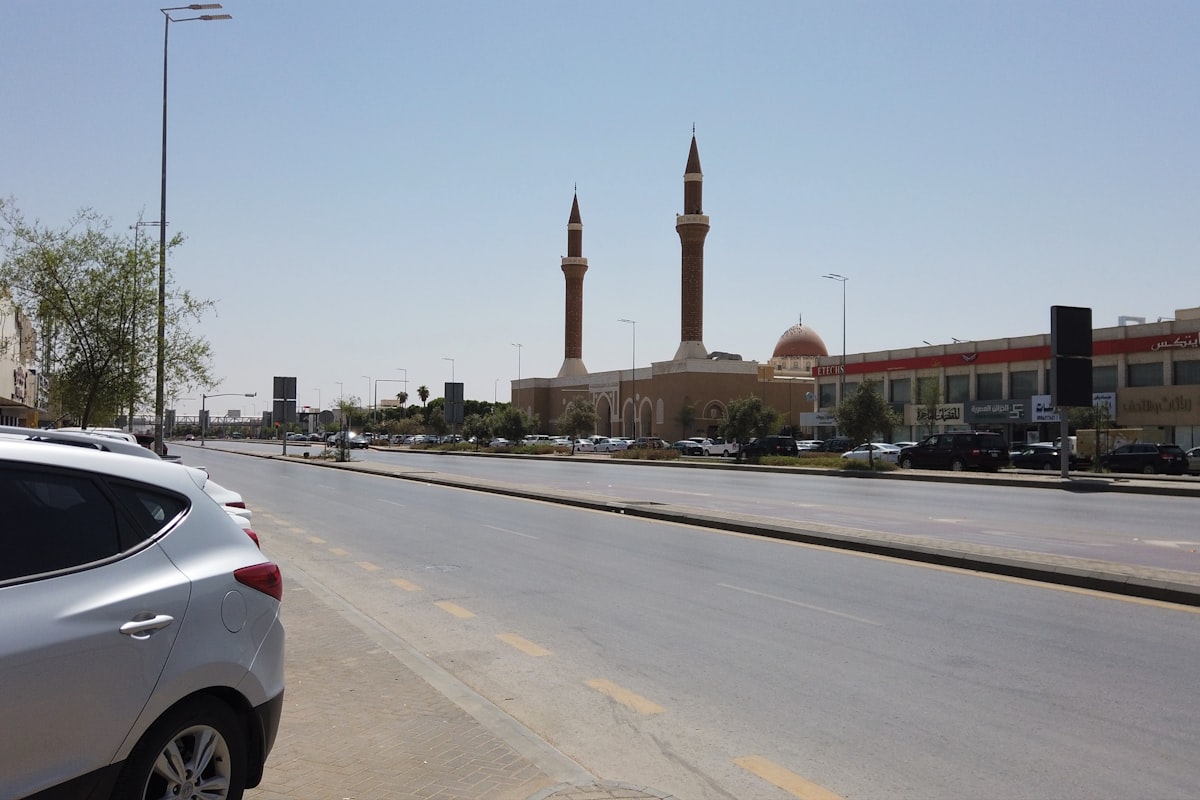
[IMAGE: famous landmark in Al Bahah