Aizuwakamatsu Travel Guide 2026
Welcome to Aizuwakamatsu, a historic city in Fukushima Prefecture that blends samurai heritage with natural beauty. In 2026, travelers are drawn to its iconic castle, vibrant festivals, and serene countryside. Whether you’re a culture enthusiast or a foodie, Aizuwakamatsu offers a memorable journey.
Is Aizuwakamatsu worth visiting?
Aizuwakamatsu is a gem for those who love history, traditional crafts, and fresh local produce. Its well-preserved samurai district, lively street food, and scenic river views make it a must-see destination in Japan.
Best Time to Visit
The city’s climate is mild, but certain seasons highlight its charms:
- Spring (March–May): Cherry blossoms line the streets, and the Nagaoka Matsuri festival showcases colorful floats.
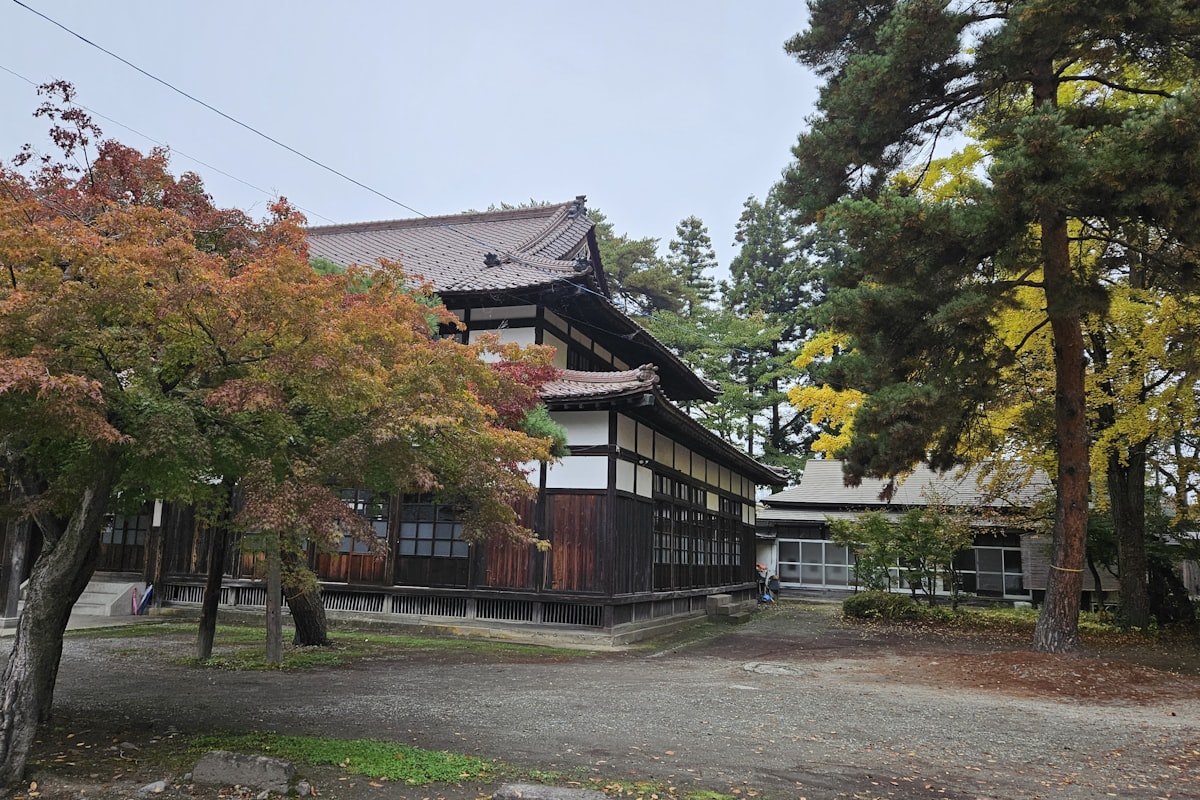
- Autumn (September–November): Crisp air and red maple leaves create a picturesque backdrop for castle tours.
- Winter (December–February): Snow transforms the landscape, perfect for hot spring visits.
- Summer (June–August): Warm weather is ideal for river activities, though it can be humid.
Top Well-Known Attractions
- Aizuwakamatsu Castle (Tsuruga Castle): A reconstructed stone keep offering panoramic city views. Admission is around $10‑15.
- Samurai District (Boshin-cho): Narrow lanes lined with traditional merchant houses, tea shops, and craft workshops.
- Katsura River: Ideal for kayaking, cycling, and scenic walks.
- Aizuwakamatsu Museum of Art: Features works by local artists and rotating international exhibits.
- Fukushima Prefectural Museum: Showcases regional history and natural science.
Typical Local Food Categories
- Soba & Udon: Hand‑made noodles served in hot broth or chilled with dipping sauce.
- Hirata Nabe: A hearty hot pot featuring local vegetables and tofu.
- Fukushima Apple Sweets: Candied apples, cakes, and ice cream made from the region’s famed fruit.
- Street Food: Takoyaki, yakisoba, and grilled corn from stalls in the samurai district.

Transportation Overview
- By Train: JR Tohoku Shinkansen stops at Aizuwakamatsu Station, connecting Tokyo in ~2.5 hours.
- By Bus: Local buses link the city center to rural attractions like the Katsura River.
- By Car: Renting a car provides flexibility for exploring nearby hot springs and farms.
- Walking & Cycling: The city center is compact; many sights are best seen on foot or by bike.
Where to Stay


Choose from budget-friendly guesthouses, mid-range ryokans, or upscale hotels with river views. Many accommodations offer traditional tatami rooms and kaiseki meals.
Practical Tips
- Language: Basic English signage is common, but learning a few Japanese phrases enhances interactions.
- Currency: The yen is used; credit cards are accepted in larger hotels and restaurants.
- Connectivity: Free Wi‑Fi is available in most public spaces.
- Safety: Aizuwakamatsu is a safe city with low crime rates.

Frequently Asked Questions
What is the best time to visit Aizuwakamatsu?
The best months are late spring (April–May) for cherry blossoms and autumn (October–November) for foliage, offering mild weather and vibrant festivals.
Is Aizuwakamatsu safe for tourists?
Yes, the city has a low crime rate, friendly locals, and well‑maintained public spaces, making it safe for solo travelers and families.
How much does a typical day cost in Aizuwakamatsu?
Daily expenses vary: budget travelers can manage with ¥5,000–¥8,000, mid‑range travelers spend ¥10,000–¥15,000, and upscale travelers may spend ¥20,000 or more.
What language should I know when visiting?
While many signs are in English, learning basic Japanese greetings and phrases will enrich your experience and help with navigation.
Final Thoughts
Aizuwakamatsu offers a harmonious blend of history, culture, and natural beauty. Plan your trip for spring or autumn to enjoy the city’s most celebrated sights and flavors. Whether you’re strolling through the samurai district, sampling local soba, or soaking in a hot spring, you’ll leave with unforgettable memories.
[IMAGE: famous landmark in Aizuwakamatsu